← All women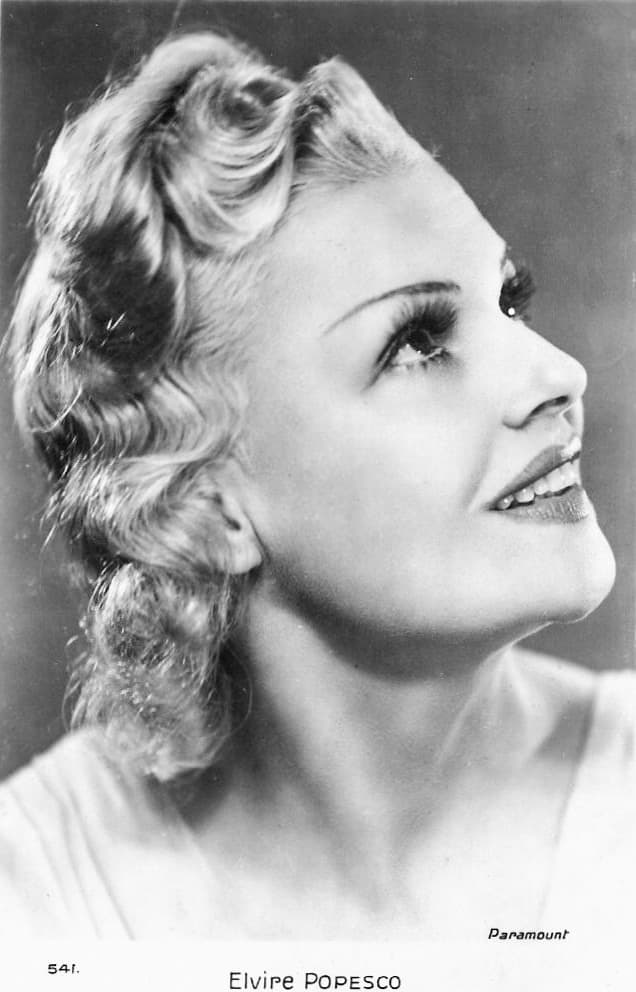
Romanian, French · Arts
Elvira Popescu
May 10, 1894 – December 11, 1993
Early Life and Background
Elvira Popescu was born on May 10, 1894, in Bucharest, Romania, into a theatrical family. Her early exposure to the arts honed her future ambitions to become a celebrated actress. Educated at the National University of Music in Bucharest, she quickly developed her talent in performance arts, showcasing a natural flair for both drama and comedy.
Career Beginnings and Development
Popescu began her acting career in Bucharest, gaining initial recognition for her stage performances. Her early work at the Comedy Theatre in Bucharest set the stage for her future successes. Her move to Paris in the 1920s marked the commencement of a formidable career in the French theatrical scene, where she would gain her title as "La Grosse Claude." Her film debut came in 1922, with a transition to French cinema that included roles in early talkies, highlighting her versatile acting abilities that captivated audiences.
Major Works, Discoveries, or Accomplishments
Popescu's illustrious career in French theatre and cinema was marked by numerous standout performances. Key roles in films such as "Un soir de rafle" (1931), and plays like "La Grosse Claude" captured the essence of French theatrical culture. Her presence brought a unique vivacity and charm that became her signature style, making her a cultural staple in both film and live theatre performances.
Awards, Honors, and Recognition
Throughout her career, Popescu received numerous accolades for her contributions to the arts. Notably, she was awarded the Legion of Honour, one of France's most prestigious decorations, acknowledging her influence and contributions to French culture and the arts.
Personal Life
Elvira Popescu's personal life intertwined closely with her professional endeavors. She was married multiple times, with these relationships influencing her roles and perceptions both on-screen and off. Her marriages connected her with influential figures in the cultural and artistic scenes of Europe, further cementing her status as a leading figure of her time.
Legacy and Historical Impact
Elvira Popescu's impact on French arts persists beyond her lifetime. Known for bringing a radiant energy and compelling performances, she has been a source of inspiration for aspiring artists. Her legacy continues through numerous tributes and retrospectives that highlight her pioneering role as a female actress of international acclaim in a male-dominated industry.
Later Life and Death
Popescu continued to perform until her later years, maintaining her presence in the arts until relatively shortly before her death. She passed away on December 11, 1993, in Paris, leaving behind a rich legacy celebrated by theatre enthusiasts and cultural scholars alike. Her influence endures as a testament to a lifetime dedicated to the arts.
Dated achievements
2 indexed.
- May101894Arts
Birth of Elvira Popescu
Elvira Popescu was born on May 10, 1894, in Bucharest, Romania.
View details Elvira Popescu - Wikipedia - Dec111993Arts
Death of Elvira Popescu
Elvira Popescu passed away on December 11, 1993, in Paris, France.
View details