← All women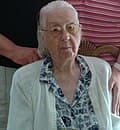
American · Science
Elsie Quarterman
November 28, 1910 – June 9, 2014
Early Life and Background
Elsie Quarterman was born on November 28, 1910, in Valdosta, Georgia. Growing up in the American South, she was deeply influenced by the natural environment around her, which later inspired her career in ecology. Her early education took place in Georgia, where she developed a keen interest in the sciences, leading her to pursue further studies.
Education
Quarterman attended Georgia State College for Women, where she obtained her undergraduate degree. She later pursued a Ph.D. in Plant Ecology at Duke University, studying under Henry J. Oosting. Her academic background laid the foundation for her future contributions to botany.
Career Beginnings and Development
Following her doctoral studies, Quarterman began her career at Vanderbilt University. She initially engaged in teaching and then expanded her focus to research, joining numerous ecological projects across Tennessee. Her work was pivotal in understanding the unique ecosystems known as cedar glades.
Major Works and Discoveries
Quarterman is best known for her research and conservation efforts concerning the cedar glades of Middle Tennessee, peculiar ecosystems characterized by shallow soil and a unique biota. She led efforts to document the plant life in these areas, resulting in the publication of numerous papers and studies. Notably, she played a crucial role in the re-discovery and subsequent conservation of the Tennessee coneflower (Echinacea tennesseensis), once thought to be extinct.
Awards, Honors, and Recognition
Throughout her career, Quarterman earned significant acclaim for her contributions to plant ecology. She held various leadership positions in ecological societies and received several awards that highlighted her conservation efforts and scientific achievements.
Personal Life
While details of her personal life are lesser-known, Elsie Quarterman was a dedicated academic whose life revolved greatly around her work and students. Her passion for ecology was evident in her commitments to field studies and classroom engagements.
Legacy and Historical Impact
Quarterman's work substantially impacted ecological conservation, particularly in Tennessee. The preservation of the cedar glades and the conservation status of the Tennessee coneflower are testaments to her tireless efforts. Her research has provided a template for ongoing ecological studies and conservation strategies.
Later Life and Death
Quarterman continued her research well into her later years, remaining an active member of the ecological community until her passing. She died on June 9, 2014, leaving behind a legacy that continues to inspire conservationists and ecologists worldwide.
Dated achievements
2 indexed.
- Nov281910Science
Birth of Elsie Quarterman
Elsie Quarterman was born on November 28, 1910, in Valdosta, Georgia.
View details November 28: Elsie Quarterman, Plant Ecologist Born 1910 - Jun092014Science
Passing of Elsie Quarterman
Elsie Quarterman passed away on June 9, 2014, leaving behind a legacy of ecological conservation and research.