← All women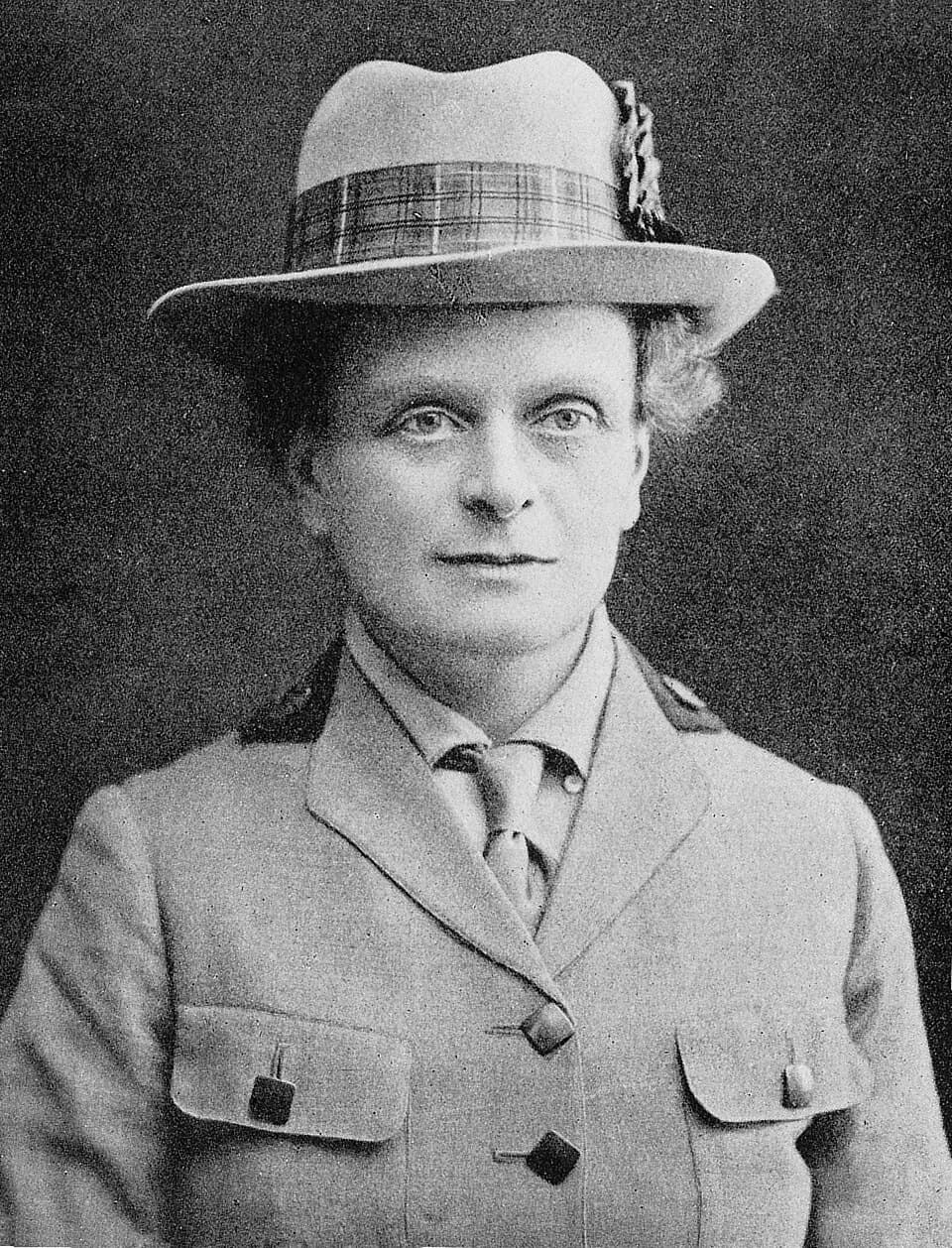
Scottish · Medicine · Activism
Elsie Inglis
August 16, 1864 – November 26, 1917
Early Life and Background
Elsie Maud Inglis was born on August 16, 1864, in Naini Tal, India, to John Forbes David Inglis, an administrator in the British civil service, and Harriet Thompson. Her family returned to Scotland, where she was educated at Edinburgh Institution for the Education of Young Ladies. Encouraged by her forward-thinking father in a time when women's access to education was limited, she pursued a career in medicine.
Career Beginnings and Development
Inglis trained at the Edinburgh School of Medicine for Women, founded by Sophia Jex-Blake, one of the first women to enter the field. Dissatisfied with existing opportunities, Inglis also studied in London, earning her qualification in 1892. She established a medical practice in Edinburgh and gradually developed maternity wards that offered saner, more compassionate treatment compared to the conventional systems of her time.
Major Works and Accomplishments
In 1914, at the outbreak of World War I, Elsie Inglis proposed the idea of the Scottish Women’s Hospitals to provide aid to frontline soldiers, an initiative initially rejected by the British War Office. Undeterred, she received support from the French government, leading units in France, Serbia, and Russia. Inglis's hospitals were praised for their exemplary care and efficiency, dramatically improving the reputation of women in medicine and activism. Her efforts earned her several international decorations, including the Order of the White Eagle from Serbia.
Awards and Honors
In addition to the Order of the White Eagle, she was posthumously honored by the city of Edinburgh and is commemorated through statues and hospital names, recognizing her contributions to healthcare and the women's movement.
Personal Life
Elsie Inglis’ commitment to medicine and social reform meant that she prioritized her professional duties over personal relationships. She was a dedicated suffragist, active in the Women's Social and Political Union, and used her skills and platform to advocate for women’s rights.
Legacy and Historical Impact
Elsie Inglis is hailed as a trailblazer in medical and feminist circles. Her courageous efforts during WWI expanded both the role of women in the military and their professional capacities in peacetime medicine, setting a precedent that influenced future generations. The Scottish Women’s Hospitals influenced the framework for women’s voluntary organizations worldwide.
Later Life and Death
Elsie continued her work until war injuries and illness took a toll on her health. She returned to Britain, passing away on November 26, 1917, in Newcastle upon Tyne. Thousands attended her funeral in Edinburgh, a testament to her enduring influence and the esteem in which she was held.
Dated achievements
2 indexed.
- Aug161864Medicine
Birth of Elsie Inglis
Elsie Inglis was born on August 16, 1864, in Naini Tal, India.
View details Elsie Inglis Biography - Britannica - Nov261917Medicine
Death of Elsie Inglis
Elsie Inglis died on November 26, 1917, in Newcastle upon Tyne, England.
View details