← All women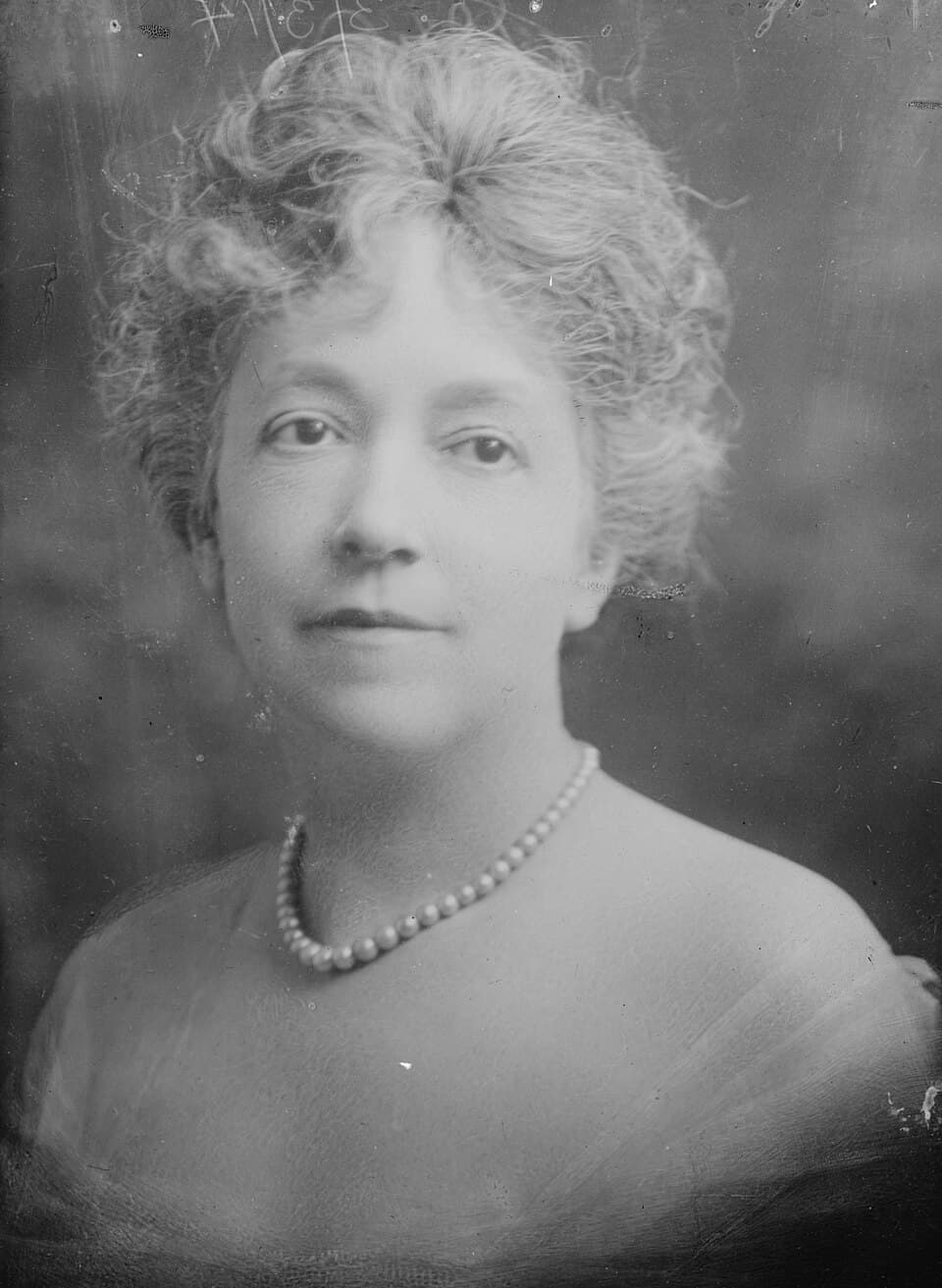
American · Arts
Elsie de Wolfe
December 20, 1865 – July 12, 1950
Early Life and Background
Elsie de Wolfe was born on December 20, 1865, in New York City. Her family was of Scottish descent, and she grew up in an environment that was socially well-connected. Her education and upbringing were typical of a young debutante of the time, emphasizing social skills and artistry. These early experiences would later influence her career in interior design, as well as her flair for the theatrical.
Career Beginnings and Development
Initially, de Wolfe pursued a career in the theater. She joined a stock company in Boston and made her debut on stage in 1891. However, it was her keen eye for style and design that caught the attention of society's elite. Acting as her own interior designer, she renovated and decorated her home in a way that set her apart from the dark, heavy interiors of the Victorian era, leading to her first commissions in New York City during the early 1900s.
Major Works and Accomplishments
Elsie de Wolfe is often credited with establishing the practice of interior decorating as a profession. Her most renowned project was the Colony Club in New York, which opened in 1907. It was her work here, characterized by light, airy interiors, that catapulted her to fame. Her approach was revolutionary, focusing on comfort and simplicity and eschewing the clutter and darkness of earlier interiors. A prolific writer, she published several books, including 'The House in Good Taste' in 1913, providing insights into her design philosophy and reaching a broad audience.
Awards, Honors, and Recognition
Although the concept of design awards was less prevalent at the time, de Wolfe's influence and success in the design world garnered her international recognition. Her work was broadly celebrated in leading magazines and journals, and she was feted by society circles across Europe and America. Later in life, she was aptly dubbed 'Lady Mendl' after marrying Sir Charles Mendl, enhancing her influence and legacy within European aristocratic circles.
Personal Life
Elsie de Wolfe's personal life was as vibrant as her professional one. She was a prominent figure in both New York and Paris social circles. In 1926, she married Sir Charles Mendl, a British diplomat, which elevated her to the title of Lady Mendl. The marriage, however, was widely considered to be one of convenience, as it enabled her to maintain her standing in high society.
Legacy and Historical Impact
Elsie de Wolfe's legacy in interior design is profound. Her aesthetic emphasis on elegant simplicity paved the way for modern interior design. She broke away from the overbearing design style of her time, promoting interiors that were not only beautiful but livable. Her influence is still evident in contemporary design standards that emphasize light, comfort, and functionality.
Later Life and Death
In her later years, de Wolfe continued to influence interior design through her writings and public appearances. She remained active in society until her death. Elsie de Wolfe passed away on July 12, 1950, in Versailles, France. Her contributions to the field of interior decoration continue to be celebrated, underscoring her title as 'the mother of modern interior decoration.'
Dated achievements
2 indexed.
- Dec201865Arts
Birth of Elsie de Wolfe
Elsie de Wolfe was born on December 20, 1865, in New York City.
View details Wikipedia - Elsie de Wolfe - Jul121950