← All women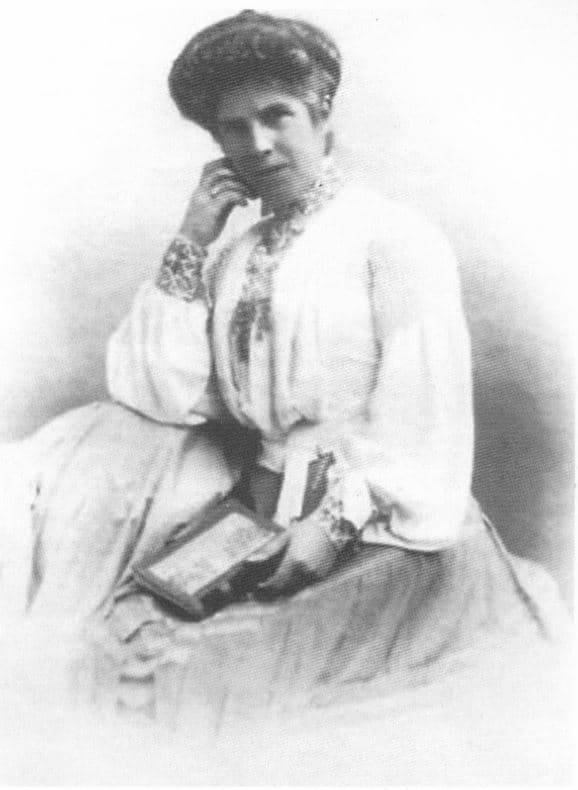
British · Arts
Ellen Willmott
August 19, 1858 – September 27, 1934
Early Life and Background
Ellen Ann Willmott was born on August 19, 1858, in Heston, Middlesex, England, to Frederick Willmott and Ellen Willmott (née Fell). She was the eldest of three daughters. Her family was affluent, allowing her to cultivate an early passion for gardening, nurtured by her mother and further encouraged by visits to renowned gardens across Europe. This laid the foundation for her lifelong dedication to horticulture.
Career Beginnings and Development
After inheriting her family's estate, Warley Place in Essex, Ellen devoted herself to transforming it into one of England's most preeminent gardens. Her deep involvement in garden design and plant collecting quickly gained her recognition. She became one of only a few women to receive the Victoria Medal of Honour from the Royal Horticultural Society in 1897, marking her influence and expertise in the field.
Major Works, Discoveries, or Accomplishments
Ellen was instrumental in the cultivation and introduction of several plant species. She nurtured around 100,000 species and varieties in her gardens. Her work extended beyond Warley, as she developed gardens in France and Italy. Willmott was known for cultivating plants with unique qualities, such as Eryngium giganteum, famously known as 'Miss Willmott's Ghost', due to her habit of secretly planting its seeds in other people's gardens.
Awards, Honors, and Recognition
Willmott's contributions were widely recognized. She was awarded the Royal Horticultural Society's Victoria Medal of Honour and was made a fellow of the Linnean Society. Her prowess in horticulture was complemented by her extensive writings, including the influential book, "The Genus Rosa".
Personal Life
Ellen Willmott was a fiercely private person and never married. Her life was fundamentally connected to her gardens and the botanical world. Known for her distinctive fashion and commanding personality, her personal style mirrored the individuality and creativity of her garden designs.
Legacy and Historical Impact
Ellen Willmott's influence in the field of horticulture was immense. She elevated the status of garden design and plant collecting to new heights. Her passion for botanical art and garden aesthetics inspired later generations of gardeners and landscape architects. Her legacy continues through botanical collections held in various public institutions and the ongoing admiration for her achievements in horticulture.
Later Life and Death
In her later years, Ellen faced financial difficulties, partly due to her extravagant spending on her gardens and plant collections. Despite this, she continued her horticultural pursuits until her death on September 27, 1934, in Brentwood, Essex. She left behind a monumental legacy that forever impacted the world of gardening.
Dated achievements
1 indexed.
- Aug191858Arts
Birth of Ellen Willmott
Ellen Willmott was born on August 19, 1858, in Heston, Middlesex, England.
View details Wikipedia