← All women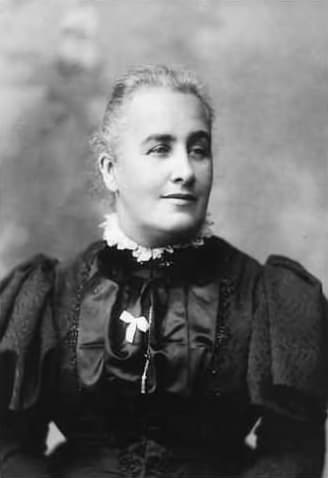
Australian · Activism · Politics
Elizabeth Webb Nicholls
February 21, 1850 – August 3, 1943
Early Life and Background
Elizabeth Webb Nicholls was born on February 21, 1850, in Adelaide, South Australia. She was the daughter of Simon Webb, an engraver, and Ann Webb. Her educational opportunities were limited, a common situation for women of her time, but she was determined to make a difference in her community, influenced by her family's strong Methodist values and their commitment to social reform.
Career Beginnings and Development
Nicholls began her career devoted to social reform causes, becoming deeply involved with the Woman's Christian Temperance Union (WCTU) of South Australia, which was formed in the 1880s. Initially focused on temperance, or the promotion of moderation, particularly in the consumption of alcohol, the WCTU expanded its mission under Nicholls' leadership to include women's suffrage and various other social issues.
Major Works and Accomplishments
As president of the WCTU in South Australia from 1889, Nicholls campaigned vigorously for the enfranchisement of women. Her efforts were pivotal in achieving women's suffrage in South Australia in 1894, a historic milestone as it followed her signing of the first women's suffrage bill passed both for voting and for the right to stand for parliament.
In addition to her work with the WCTU, Nicholls was involved in various other social organizations, including the Ladies' Social Purity Society and the National Council of Women, contributing to broad social reforms beyond temperance and suffrage alone.
Awards, Honors, and Recognition
Nicholls received no significant personal awards during her lifetime, but her legacy endures through the societal changes she helped bring about. Her leadership in the WCTU and participation in achieving suffrage are recognized as substantial contributions to Australian history.
Personal Life
In 1870, Elizabeth married Alfred Nicholls, a tailor, and together they had a family which Elizabeth managed alongside her public life. Her balancing of family responsibilities with activism work garnered much admiration.
Legacy and Historical Impact
Elizabeth Webb Nicholls is remembered as a key figure in the advancement of women's rights in Australia. Her work helped set the precedent for nationwide suffrage and established her as a notable leader in the temperance movement. Her legacy is celebrated not only for her achievements in suffrage but also for highlighting and advancing the role of women in society.
Later Life and Death
Even in her later years, Nicholls remained active in social causes. She passed away on August 3, 1943, leaving behind a legacy of advocacy and reform. Her life's work paved the way for future generations of women.
Dated achievements
2 indexed.
- Feb211850Activism
Birth of Elizabeth Webb Nicholls
Elizabeth Webb Nicholls was born in Adelaide on February 21, 1850.
View details Nicholls, Elizabeth Webb (1850–1943) - Aug031943Activism
Death of Elizabeth Webb Nicholls
Nicholls passed away on August 3, 1943, leaving a legacy of reform and advocacy.