← All women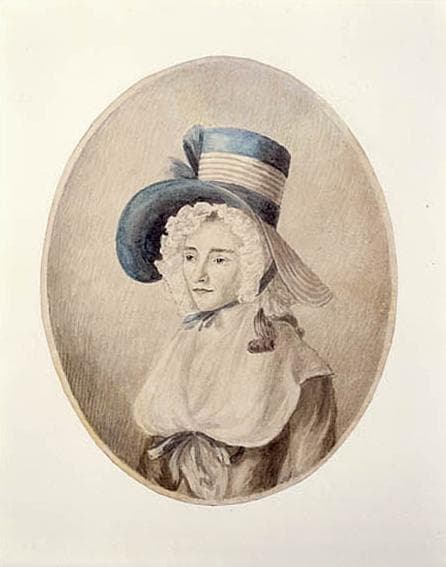
British · Arts · Exploration
Elizabeth Simcoe
September 22, 1762 – January 17, 1850
Early Life and Background
Elizabeth Posthuma Gwillim was born on September 22, 1762, in Aldwinkle, Northamptonshire, England. Orphaned at a young age, her upbringing was overseen by her wealthy maternal aunt, Margaret Spinkes. Growing up in a cultured environment, she developed a keen interest in arts and literature. Elizabeth’s early education likely included instruction in drawing and painting, skills that were considered essential for a cultivated young woman at that time.
Marriage and Family
In 1782, Elizabeth married John Graves Simcoe, a British military officer. The couple had eleven children, though only eight survived to adulthood.
Career Beginnings and Development
Elizabeth’s artistic talents were well known, and she began her journey as an artist by painting scenes in England. While her husband was stationed in Nova Scotia in the late 18th century, she began capturing the landscapes of North America. Her paintings from this period reflect her keen eye for detail and a fondness for nature.
Life in Upper Canada
In 1791, John Graves Simcoe was appointed the first Lieutenant Governor of Upper Canada, a precursor to modern-day Ontario. Elizabeth accompanied him to Toronto, then known as York. During her time in Canada, she painted several watercolors depicting the landscape and life of the early settlers. These artworks are significant as one of the few visual records from this period. Elizabeth also kept extensive diaries, which document her observations and experiences during these years.
Major Works and Achievements
Elizabeth's oeuvre consists primarily of watercolors that illustrate the untouched landscapes of early Canada. Her detailed diaries, meanwhile, offer rich historical accounts of her life in Upper Canada, providing contemporary readers with insights into settler life and the natural environment during that period. These diaries were later published and became valuable references for historians studying early Canadian history.
Later Life and Death
After returning to England in 1796, Elizabeth continued her involvement in the arts and the education of her children. She supported her husband's career until his death in 1806 and continued to be active in society upon her return. Elizabeth Simcoe passed away on January 17, 1850, in Devon, England. Her legacy lives on through her detailed artistic and written depictions of North American life during the 18th century.
Legacy and Historical Impact
Elizabeth Simcoe's artworks and diaries remain significant because they offer one of the most comprehensive visual and textual records of life in Upper Canada during the Simcoe administration. By utilizing her artistic skills to document her surroundings, she provided rare insights into the landscapes and settlement policies of the time. Historians and art enthusiasts alike continue to study her efforts to gain a better understanding of the period's cultural and environmental aspects.
Dated achievements
2 indexed.
- Sep221762Arts
Birth of Elizabeth Simcoe
Elizabeth Simcoe was born on September 22, 1762.
View details Elizabeth Simcoe - Wikipedia - Jan171850