← All women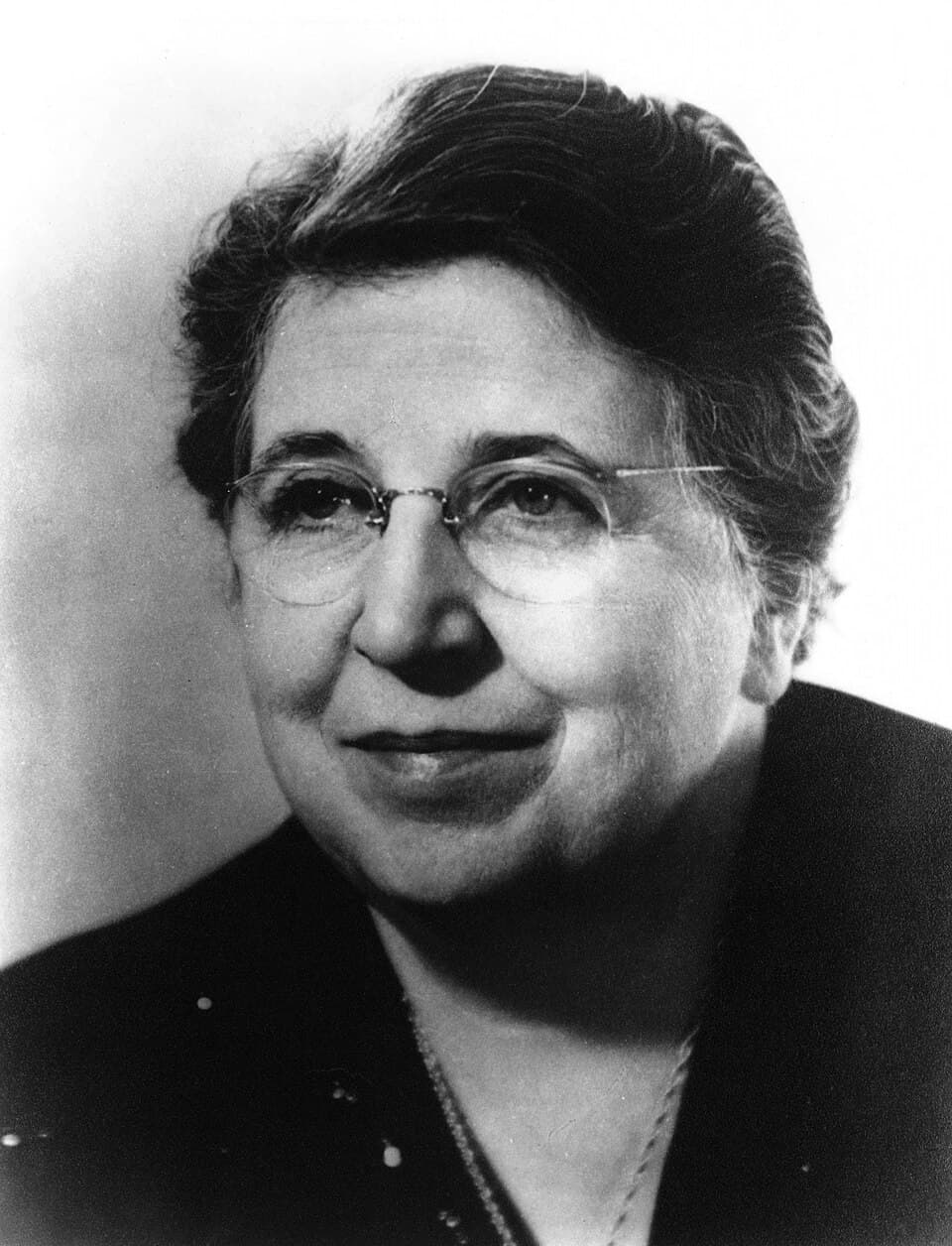
American · Activism · Politics
Elizabeth Flynn
August 7, 1890 – September 5, 1964
Early Life and Background
Elizabeth Gurley Flynn was born on August 7, 1890, in Concord, New Hampshire, to Irish immigrant parents. Her father, Thomas Flynn, was a staunch socialist and her mother, Annie, was a pious Roman Catholic. Elizabeth was heavily influenced by her father's political beliefs and her mother's resilience. Her family moved to the Bronx, New York, where Flynn grew up immersed in leftist ideology, which greatly shaped her future as a labor activist.
She attended public schools in New York City and was introduced to socialism and activism at a young age. In 1906, she gave a public speech entitled, 'What Socialism Will Do for Women,' which garnered significant attention and marked the beginning of her career as a public speaker and labor organizer.
Career Beginnings and Development
At 17, Flynn joined the Industrial Workers of the World (IWW), where she became one of its most prominent and effective orators. Known for her eloquence and passion, she traveled across the United States, organizing strikes and advocating for workers' rights, particularly for textile workers, miners, and immigrants who faced severe exploitation and poor working conditions.
Major Works and Accomplishments
Flynn's efforts were instrumental in several critical labor strikes, notably the 1912 Lawrence Textile Strike and the 1913 Paterson Silk Strike, where she worked tirelessly to unite workers and highlight their plight to a broader audience. She earned the nickname 'The Rebel Girl,' after a song dedicated to her by fellow IWW organizer Joe Hill.
In 1920, Flynn was a founding member of the American Civil Liberties Union (ACLU), through which she continued to defend civil liberties and was a vocal advocate for women's rights, birth control, and other social issues. Her advocacy extended during the Red Scare era, where she defended many radicals and labor activists.
Awards, Honors, and Recognition
Although not widely recognized by formal awards in her time, Flynn's legacy has been honored posthumously by labor organizations and historians who view her work as seminal in the fight for labor rights and civil liberties.
Personal Life
Elizabeth married J.A. Jones, an IWW organizer, in 1907, but the marriage was short-lived. They had one son, Fred Flynn. Throughout her life, Flynn remained deeply committed to her cause, often at the expense of personal relationships.
Legacy and Historical Impact
Flynn's dedication to labor movements and civil rights has left a lasting impact on American history. Her efforts paved the way for future generations of activists, and she remains a symbol of the struggle for workers' rights and gender equality.
Later Life and Death
In her later years, Flynn remained active in the Communist Party, for which she was jailed for two years under the Smith Act. She died on September 5, 1964, in Moscow while attending the 23rd Congress of the Communist Party of the Soviet Union. Her contributions to labor and civil rights continue to inspire activists worldwide.
Dated achievements
2 indexed.
- Jan101906Activism
Delivered First Public Speech on Socialism
Flynn delivered her first public address at age 15, advocating for socialism.
View details Spartacus Educational - Sep051964Activism
Death of Elizabeth Gurley Flynn
Elizabeth Gurley Flynn died on September 5, 1964, in Moscow.
View details