← All women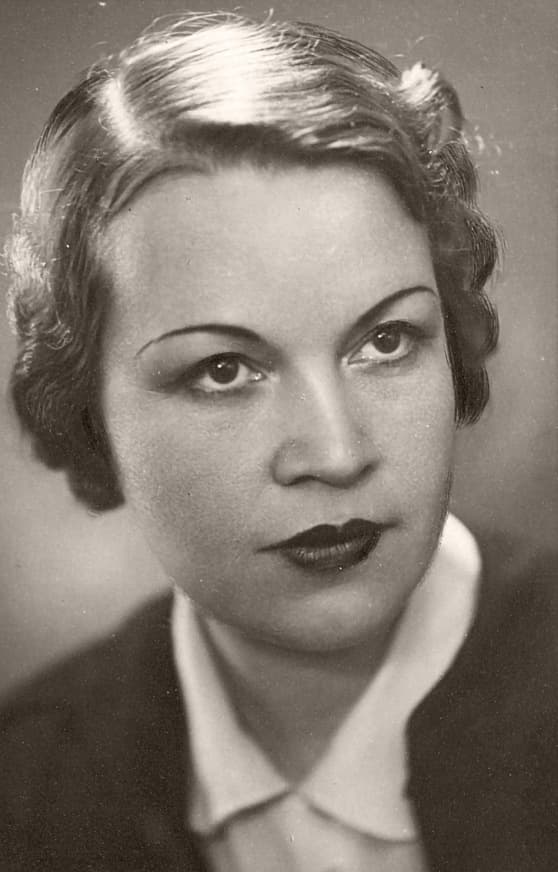
Bulgarian · Literature
Elisaveta Bagrjana
April 16, 1893 – March 23, 1991
Early Life and Background
Elisaveta Bagrjana, born Elisaveta Lyubomirova Belcheva on April 16, 1893, in Sofia, Bulgaria, emerged from a family that emphasized education and cultural literacy. Her formative years were marked by an exposure to literature and the arts, laying the groundwork for a prolific literary career. Bagrjana's education was deeply rooted in traditional and modern literary schools, which later influenced her modernist writing style.
Career Beginnings and Development
Bagrjana's literary debut coincided with a period of vibrant cultural reawakening in Bulgaria. Her first poems appeared during the early 1920s, quickly gaining the attention of the literary circles in Sofia. Her writing was characterized by a departure from the sentimentality of the time, embracing instead a modernist approach that focused on individualism, nature, and the complexities of human emotions.
Major Works, Discoveries, or Accomplishments
Elisaveta Bagrjana's most significant works include her poetry collections ‘Eternal and Holy’ and ‘Starry Sky,’ both showcasing her ability to merge personal introspection with universal themes. Her work was pivotal in positioning Bulgarian literature within the broader European modernist movement, and it brought international attention to Bulgaria’s literary scene.
Awards, Honors, and Recognition
Over her six-decade-long career, Bagrjana received numerous accolades, including several nominations for the Nobel Prize in Literature. She was recognized for her ability to capture the Bulgarian spirit and its nuanced identity in her works, reflecting her deep connection with her homeland.
Personal Life
Elisaveta married Georgi Belchev with whom she had a son. Her personal life, though subject to the same societal judgments and expectations typical of her era, did not deter her persistent quest for literary and personal freedom. Bagrjana’s experiences as a woman played a vital role in the shaping of her poetic voice, reflected in the strength and independence evident in her poetry.
Legacy and Historical Impact
Bagrjana is remembered not only for her poetry but also for her role in advocating for women's voices in literature. Her work empowers female expressions of independence and individuality, which continue to inspire generations of writers. She remains a cornerstone of 20th-century Bulgarian literature.
Later Life and Death
Her later years were spent in Bulgaria, where she continued to write and engage with the literary community until her death on March 23, 1991. Elisaveta Bagrjana's legacy endures, celebrated for its creativity, depth, and enduring relevance in a rapidly changing world.
Dated achievements
2 indexed.
- Apr161893Literature
Birth of Elisaveta Bagrjana
Elisaveta Bagrjana was born on April 16, 1893, in Sofia.
View details Wikipedia: Elisaveta Bagryana - Mar231991Literature
Death of Elisaveta Bagrjana
Elisaveta Bagrjana passed away on March 23, 1991, in Bulgaria.
View details