← All women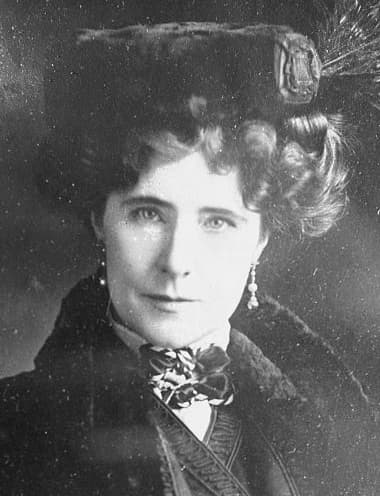
British · Literature
Elinor Glyn
October 17, 1864 – September 23, 1943
Early Life and Background
Elinor Glyn, born Elinor Sutherland on October 17, 1864, in the island of Jersey, was the daughter of Douglas Sutherland, a civil engineer, and Elinor Saunders. Upon her father's death, her mother moved the family to her family's estate in Canada but returned to Jersey shortly thereafter. Elinor received a robust education, which included the study of literature and art, at home under her mother’s guidance and governesses.
Career Beginnings and Development
Glyn's writing career began with the publication of her first novel "The Visits of Elizabeth" in 1900. It met with moderate success, allowing her to create a niche in high-society romantic fiction. Throughout the early 1900s, she crafted stories that not only reflected but also critiqued the moral standards of the Edwardian era, often drawing from her own experiences within society.
Major Works and Accomplishments
Glyn achieved fame and notoriety with the publication of "Three Weeks" in 1907. The book's bold exploration of romantic and erotic themes captivated the public and was both celebrated and critiqued for its controversial content. She further expanded her authorship with works like "It," a novel that popularized the term "It Girl," denoting a modern woman of allure and charisma.
Awards, Honors, and Recognition
Although formal literary awards were not as prevalent during her time, Elinor Glyn's societal impact was significant. She was renowned for her influence on contemporary romance writing and was often consulted as an authority on literary romance by Hollywood in the 1920s.
Personal Life
In 1892, Elinor married Clayton Glyn, a businessman, with whom she had two daughters. Her marriage provided her with insight into the upper echelons of society, which she adeptly used in her writing.
Legacy and Historical Impact
Glyn's influence extended beyond her novels. She contributed to the lexicon and perception of modern romance and femininity. Her work impacted both literature and the nascent film industry, helping to shape early Hollywood's depiction of romance through contributions as a screenwriter and consultant on various films.
Later Life and Death
Elinor Glyn continued to write until her later years, with her literary presence remaining strong until her death. She passed away on September 23, 1943, in London. Glyn left behind a legacy of challenging societal norms and helping to shape the modern romance genre.
Dated achievements
1 indexed.
- Oct171864Literature
Birth of Elinor Glyn
Elinor Glyn was born on the island of Jersey on October 17, 1864.
View details Elinor Glyn - Wikipedia