← All women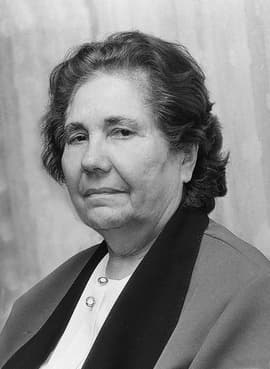
Slovak · Literature · Activism
Elena Lacková
March 22, 1921 – March 1, 2003
Early Life and Background
Elena Lacková was born on March 22, 1921, in Veľký Šariš, Slovakia. Her upbringing in a Romani family deeply influenced her future works and activism. Despite the many challenges faced by the Roma community, including pervasive discrimination and limited access to education, Lacková was determined to pursue an education.
As a young girl, she demonstrated a keen interest in storytelling, a passion she inherited from her grandfather, a renowned Roma storyteller. This early exposure to oral traditions would later shape her literary voice and themes.
Career Beginnings and Development
Lacková completed her high school education and then went on to be the first Romani woman in Czechoslovakia to graduate from a university, earning her degree from Charles University in Prague. Her academic achievements were a landmark in the advancement of Roma education and a source of immense pride and inspiration for her community.
Her literary career began in earnest in the years following her education. She wrote plays and stories that vividly depicted the challenges and discrimination faced by the Roma people while celebrating their rich cultural heritage.
Major Works and Accomplishments
Throughout her career, Lacková wrote several influential works, including "A False Dawn," which offers an intimate look into the lives and struggles of Slovak Roma during the 20th century. Her works were essential in bringing the Romani narrative to a broader audience and influencing positive changes in societal attitudes toward Roma people.
She also played a pivotal role in developing Romani cultural organizations and initiatives, both locally and internationally, which helped preserve and honor Romani traditions and languages.
Awards, Honors, and Recognition
Elena Lacková's contributions to literature and her community earned her significant recognition. Throughout her lifetime, she received several awards from both Roma and non-Roma organizations, celebrating her pioneering role as a writer and activist.
Personal Life
Lacková's personal life was marked by her close connection to her Romani community and family. She had a deep commitment to working for social justice and equality, which she passed on to her children. As a mother and an activist, her life was a testament to the strength and resilience of the Roma people.
Legacy and Historical Impact
Lacková's literary and cultural contributions left a profound impact on Slovak and international perspectives on Romani culture. She not only broke barriers for women in her community but also paved the way for future generations of Romani writers and scholars. Her work continues to influence and inspire initiatives that advocate for Roma rights and education around the world.
Later Life and Death
In her later years, Lacková remained a passionate advocate for her people until her death on March 1, 2003, in Prešov, Slovakia. Her legacy lives on through her writings and the ongoing work of those she inspired in the fight for equality and cultural recognition.
Dated achievements
2 indexed.
- Mar221921Activism
Birth of Elena Lacková
Elena Lacková was born on March 22, 1921, in Veľký Šariš, Slovakia.
View details Wikipedia - Mar012003Literature
Death of Elena Lacková
Elena Lacková died on March 1, 2003, leaving a legacy of pioneering work in Romani literature and activism.
View details