← All women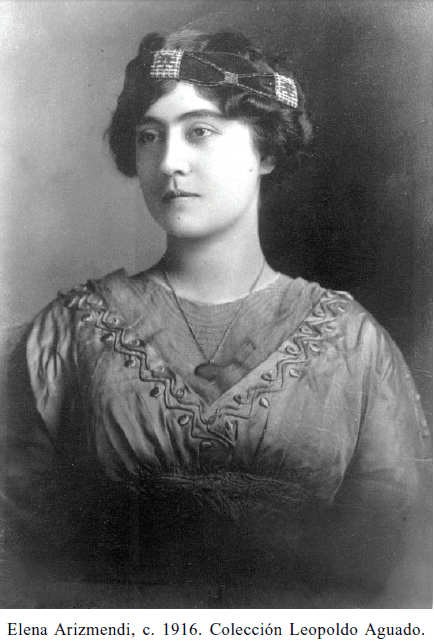
Mexican · Activism · Medicine
Elena Arizmendi Mejia
January 18, 1884 – November 4, 1949
Early Life and Background
Elena Arizmendi Mejía was born on January 18, 1884, in the culturally rich city of Mexico City, into a privileged family that provided her with a robust early education. Growing up in a society where women's roles were traditionally confined, Arizmendi was exposed to progressive ideas that would later influence her pursuits in activism and humanitarian efforts. Her family’s status allowed her access to quality education, which was uncommon for women of her time, ultimately shaping her worldview.
Career Beginnings and Development
Arizmendi began her career in activism initially as a nurse, driven by a profound sense of duty to assist those affected by the turmoil of the Mexican Revolution. Witnessing the dire conditions caused by the conflict, she co-founded the Neutral White Cross in 1911. This organization was formed to provide medical care to soldiers regardless of their affiliation, reflecting a principled stance on neutrality and humanitarianism. Her work reached across the embattled nation, treating thousands injured in battle.
Major Works, Discoveries, or Accomplishments
Her establishment of the Neutral White Cross was a significant accomplishment during the Mexican Revolution, allowing her to make substantial contributions to healthcare and humanitarian efforts in Mexico. The organization provided medical assistance to numerous injured soldiers, operating independently of the politically aligned Red Cross, which had limited its services. The innovative approach and sheer empathy embedded in her work laid the groundwork for neutral aid in conflict zones, setting a precedent for future non-governmental aid organizations.
Awards, Honors, and Recognition
While formal awards for humanitarian work were limited in her time, Arizmendi’s legacy is reflected in the continuation of her ideals through various civil society movements and recognition by feminists and historians for her pioneering efforts and sacrifices in the field.
Personal Life
Arizmendi's life was marked by her personal struggles and resilience. She moved to the United States, where she continued advocating for women’s rights and engaged profoundly with literary circuits, expressing fears, hopes, and the female struggle through the written word. Her personal relationships were also emblematic of a woman living ahead of her time, rebelling against traditional roles and expectations.
Legacy and Historical Impact
Elena Arizmendi’s legacy as a pioneer of humanitarian aid and feminist activism has inspired many. Her initiative to form the Neutral White Cross served as an enduring symbol of neutrality and empathy in wartime humanitarian work. Furthermore, her life and actions have been critical in shaping Mexican feminist history, as she paved the way for subsequent generations advocating for women's rights.
Later Life and Death
In her later years, Arizmendi remained an active voice in feminist circles, moving fluidly between Mexico and the United States, her literary pursuits shedding light on societal issues. She passed away on November 4, 1949, leaving behind a legacy defined by her unwavering commitment to altruism and justice.
Dated achievements
1 indexed.
- Jan181884Activism
Birth of Elena Arizmendi Mejía
Elena Arizmendi Mejía was born on January 18, 1884.
View details Wikidata entry on Elena Arizmendi Mejía