← All women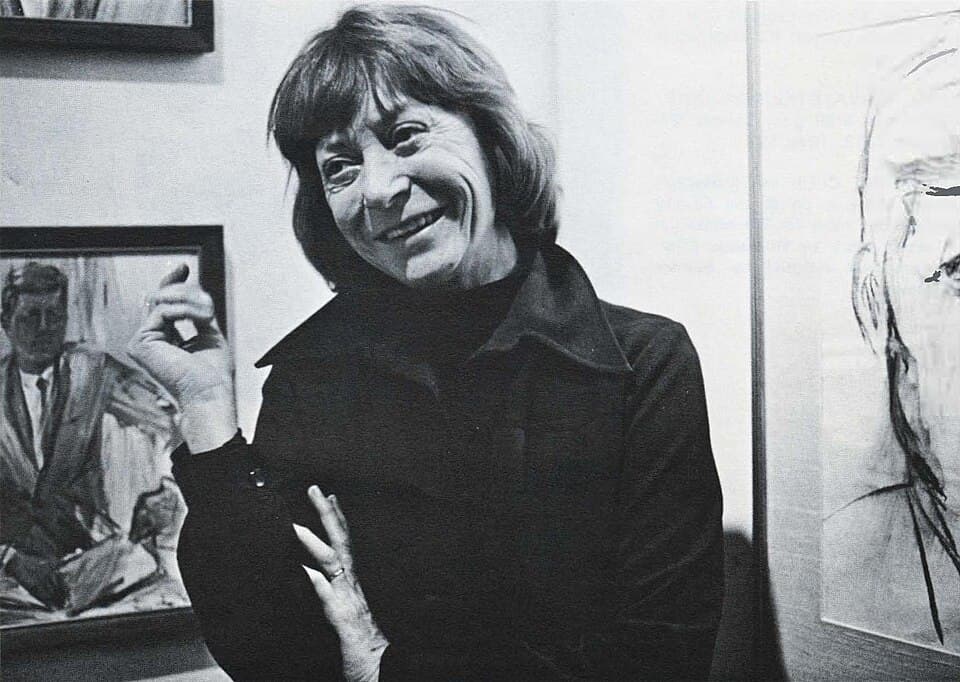
American · Arts
Elaine de Kooning
March 12, 1918 – February 1, 1989
Early Life and Background
Elaine de Kooning was born Elaine Fried on March 12, 1918, in Brooklyn, New York. She grew up in a family that valued arts and education; her mother, Mary Ellen O'Brien, introduced her to the world of art and literature. This early exposure to cultural and artistic pursuits set the stage for her future career.
Elaine attended Hunter College and the Leonardo da Vinci Art School. During this time, she mingled with artists in Greenwich Village, developing her unique style and gaining inspiration from various creative circles.
Career Beginnings and Development
Elaine's professional career began in earnest in the 1940s. She initially worked as a muralist for the Works Progress Administration, which helped hone her skills in large-scale works. In the early 1940s, she married fellow artist Willem de Kooning, a prominent figure in the abstract expressionist movement.
Elaine's career took off in the 1950s with her first solo exhibition at the Stable Gallery in New York in 1952. Her work was characterized by a combination of abstraction and figurative elements, especially in her dynamic portraits, which were celebrated for capturing the essence of her subjects.
Major Works, Discoveries, or Accomplishments
Elaine de Kooning was celebrated for her portraits of various public figures, including President John F. Kennedy, which she completed in 1963. Her work maintained a vigorous expressionist style, infusing her portraits with movement and emotion.
Apart from her portraits, Elaine was also a respected art teacher, sharing her expertise with students at the University of New Mexico, Yale University, and other institutions. Her teaching had a profound impact on the next generation of artists, further cementing her legacy in the world of art.
Awards, Honors, and Recognition
During her career, Elaine de Kooning received recognition for her work from various social and cultural institutions. However, her dedication to her craft and her influence on her peers and students is where her lasting legacy truly lies.
Personal Life
Elaine de Kooning's marriage to Willem de Kooning was both influential and challenging. The couple was part of the vibrant and sometimes tumultuous New York art scene and often supported and inspired each other's creative endeavors despite living apart for a period during their marriage.
Legacy and Historical Impact
Elaine de Kooning was instrumental in promoting the Abstract Expressionist movement. Her efforts as an art critic for magazines such as Art News and her participation in various exhibitions helped bring attention to this revolutionary art form. Her dynamic and innovative approach to portraiture broke new ground, influencing future generations of artists.
Later Life and Death
In her later years, Elaine continued to paint and teach while facing health challenges. She passed away on February 1, 1989, in Southampton, New York, leaving behind a legacy of artistic innovation and advocacy.
Dated achievements
2 indexed.
- Mar121918Arts
Birth of Elaine de Kooning
Elaine de Kooning was born on March 12, 1918, in Brooklyn, New York.
View details Born March 12: Elaine de Kooning - Feb011989Arts
Death of Elaine de Kooning
Elaine de Kooning died on February 1, 1989, in Southampton, New York.
View details