← All women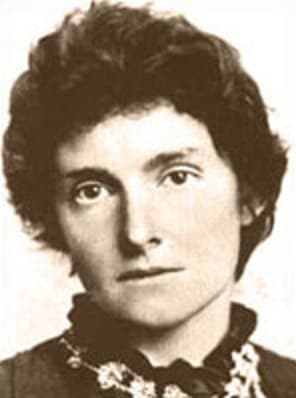
British · Literature · Arts
Edith Nesbit
August 15, 1858 – May 4, 1924
Early Life and Background
Edith Nesbit was born on 15 August 1858 in Kennington, Surrey, England. She was the daughter of Sarah and John Collis Nesbit, an agricultural chemist. Her father passed away when she was just four years old, leading her family to live a peripatetic lifestyle. They moved frequently around Europe, trying to improve Edith’s brother's health condition. This exposure to diverse cultures during her formative years would later influence her writing.
Career Beginnings and Development
Edith started her literary career publishing poems, but her breakthrough came with her children's literature. Her early works showcased her talent for merging fantasy with everyday life, a pattern that would define her later success. Nesbit's storytelling style departed from the moralizing tone of Victorian children's literature, opting instead for realistic characters and magical plots.
Major Works and Accomplishments
Some of her most notable works include "The Story of the Treasure Seekers" (1899), "Five Children and It" (1902), and "The Railway Children" (1906). Nesbit's narratives were revolutionary for their time, shifting away from the moralizing tales of the era to stories that respected the independence and intelligence of child readers. Her works have influenced countless authors and continue to be cherished classics.
Awards and Honors
Though Nesbit did not receive formal literary awards, her impact on children's literature is profound. She pioneered a new style that has been admired by both contemporaries and future literary figures, including C.S. Lewis and J.K. Rowling.
Personal Life
In 1880, Edith married Hubert Bland, a banker and writer. Their marriage was unconventional even by modern standards due to his affairs and children with other women. Nesbit, however, remained married to him until his death in 1914. The couple had five children, including two of Hubert's outside relationships whom they raised together.
Legacy and Historical Impact
Edith Nesbit's work laid the groundwork for a new era in children's storytelling. Her use of realistic child protagonists dealing with life's challenges, often aided by encounters with magic, offered a template that has resonated through modern children's literature. Beyond her books, she left a mark as an early socialist, co-founding the Fabian Society, which played a significant role in the formation of the British Labour Party.
Later Life and Death
In later years, Nesbit continued writing and contributing to socialist causes, although her financial security was frequently in jeopardy because of her husband's poor financial management. Edith Nesbit passed away on 4 May 1924 in New Romney, Kent, England. She remains an enduring figure in the annals of children's literature.
Dated achievements
1 indexed.
- Aug151858Literature
Birth of Edith Nesbit
Edith Nesbit was born on August 15, 1858, in Kennington, Surrey, England.
View details Wikipedia