← All women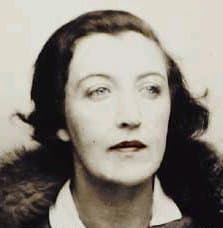
British · Literature · Arts
Dorothy Wilde
July 11, 1895 – April 10, 1941
Early Life and Background
Dorothy Ierne Wilde, known as Dolly Wilde, was born on July 11, 1895, in London into a family already famed for its wit and literary prowess. She was the niece of the celebrated playwright and poet Oscar Wilde. Her father, Willie Wilde, was Oscar’s elder brother, a journalist and writer whose life was marred by excess. Dorothy's upbringing was steeped in the literary and artistic worlds, likely influencing her later relationships and career. Raised primarily by her mother after her father's death, she was educated in Paris and developed a cosmopolitan outlook and fluency in French.
Career Beginnings and Development
Despite never penning a body of literary work that matched or mirrored the legacy of her uncle, Dorothy became a celebrated conversationalist in the literary salons of Paris in the 1920s and 1930s. Her reputation for wit and eloquence made her a cherished guest and friend among literary giants such as Natalie Clifford Barney, an American expatriate writer, who became her lifelong partner, and an array of Dadaists and Surrealists, including Man Ray and Marcel Duchamp.
Major Works and Accomplishments
Although she wrote little herself, Dorothy Wilde's literary contribution lay in her ability to draw together people of the avant-garde, thus influencing cultural discourse indirectly. Her letters and personal correspondences give insight into her life and times, though much of her potential as an author remained unfulfilled, largely due to her struggles with addiction.
Personal Life
Openly gay at a time when such openness was rare, Dorothy's most enduring relationship was with Natalie Barney, a prominent figure in the Parisian literary scene. This relationship endured many personal challenges and was marked by Dorothy’s recurrent issues with drugs and alcohol.
Legacy and Historical Impact
Dorothy Wilde is remembered not for her literary output but for her indelible presence in early 20th-century cultural circles and her embodiment of the liberated 'flapper' ethos. Her life illustrated the collisions between high culture, personal struggle, and the social mores of her time. As a muse, she helped shape the work of others while her own writings, primarily epistolary, evoke a vivid narrative of the era's literary elite.
Later Life and Death
Dorothy's life was tragically curtailed by her personal demons, including a battle with cancer towards her final years, likely exacerbated by her lifestyle. She died on April 10, 1941, in London. Her passing marked the end of an era of literary salon culture in Paris and highlighted the often hidden costs of personal freedom in such a contrastingly conservative age.
Dated achievements
2 indexed.
- Jul111895Literature
Birth of Dorothy Wilde
Dorothy Wilde was born on July 11, 1895, in London, England.
View details Wikipedia entry on Dorothy Wilde - Apr101941Literature
Death of Dorothy Wilde
Dorothy Wilde died on April 10, 1941, in London, England.
View details