← All women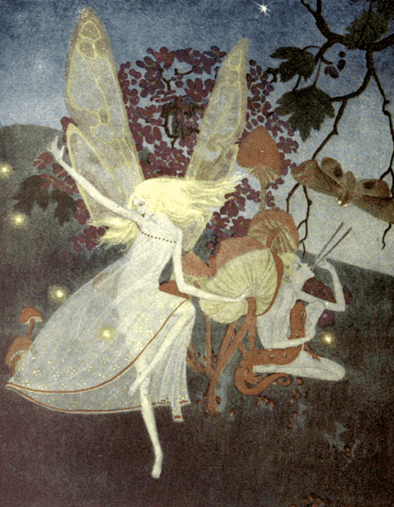
American · Arts · Literature
Dorothy P. Lathrop
April 16, 1891 – December 30, 1980
Early Life and Background
Dorothy Pulis Lathrop was born on April 16, 1891, in Albany, New York, to Cyrus Clark Lathrop and Adeline Pulis Lathrop. Raised in a culturally enriched environment, her early exposure to literature and art significantly influenced her creative development. Her mother was an artist, and this familial artistic background laid the foundation for Dorothy's future career. Lathrop pursued formal education at the Albany Art Institute and furthered her studies at the Pennsylvania Academy of the Fine Arts, honing her technical skills under the tutelage of accomplished artists.
Career Beginnings and Development
Lathrop's career took off as she began illustrating books, a profession where her meticulous and whimsical style found wide acclaim. Her early work was characterized by detailed drawings that captured the nuances of children's literature, engaging young readers with her visual storytelling. Her collaboration with author Walter de la Mare on 'Down-Adown-Derry' in 1922 marked a significant milestone that brought her illustrations into the spotlight.
Major Works and Accomplishments
Throughout her career, Lathrop illustrated numerous children's books, infusing them with her distinctive style that was both whimsical and precise. Her illustrations in 'Animals of the Bible, A Picture Book,' authored by Helen Dean Fish, earned her the inaugural Caldecott Medal in 1938, recognizing the most distinguished American picture book for children published in the previous year. This award underscored her pioneering role in the genre of children's literature.
Awards and Recognition
In addition to the Caldecott Medal, Dorothy P. Lathrop's work was celebrated through various exhibitions and accolades. Her illustrations were featured in significant exhibitions, further solidifying her reputation as a seminal figure in children’s book illustration. Her illustrations resonated with audiences and critics alike, often praised for their ability to bring stories to life vividly.
Personal Life
Despite professional commitments, Lathrop maintained strong ties with her family, often collaborating with her sister, Gertrude Lathrop, who was a notable sculptor. Dorothy never married nor had children, dedicating much of her life to her art and illustrating works that have been passed down through generations.
Legacy and Historical Impact
Lathrop's legacy goes beyond her award-winning illustrations; she played a crucial role in shaping the visual language of children's literature in the early 20th century. Her ability to craft imagery that engaged both children and adults alike carved a unique niche in the arts. Her work remains a testament to the power of illustration in storytelling and continues to inspire countless illustrators who followed.
Later Life and Death
In her later years, Dorothy P. Lathrop retired to her countryside home, enjoying a slower pace while still nurturing her love for wildlife and nature, themes recurrent in her work. She passed away on December 30, 1980, in Falls Village, Connecticut, leaving behind a rich legacy of artistry and imagination.
Dated achievements
3 indexed.
- Apr161891Arts
Birth of Dorothy P. Lathrop
Dorothy P. Lathrop was born in Albany, New York.
View details Wikipedia: Dorothy P. Lathrop - Nov241937Arts
First Caldecott Medal Awarded to Dorothy P. Lathrop
Lathrop was the first recipient of the prestigious Caldecott Medal for 'Animals of the Bible.'
View details