← All women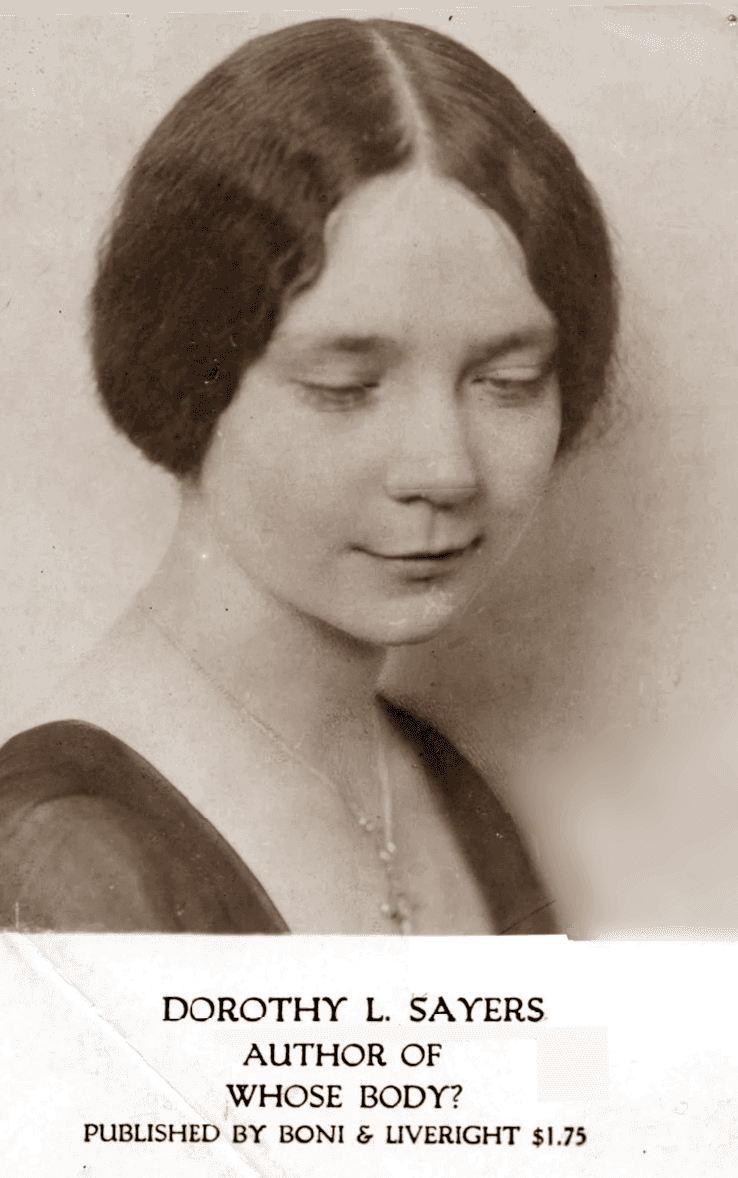
British · Literature · Arts
Dorothy L. Sayers
June 13, 1893 – December 17, 1957
Early Life and Background
Dorothy Leigh Sayers was born on June 13, 1893, in Oxford, England. She was the daughter of Henry Sayers, a clergyman, and Helen Mary Leigh. Raised in the Fenlands of East Anglia, Sayers was a precocious child, boasting an early interest in languages and literature. She attended Godolphin School, Salisbury, and in 1912 won a scholarship to Somerville College, Oxford. Sayers was part of the first cohort of women to be awarded degrees by the University of Oxford in 1920, which was a pivotal moment for women in academia.
Career Beginnings and Development
After completing her education, Sayers initially worked in publicity at Benson’s advertising agency in London, where she honed her skills in writing engaging prose. Her knowledge of languages and her passion for storytelling led to her writing career, initially as a poet and translator. Her breakthrough came with the creation of the character Lord Peter Wimsey in the novel "Whose Body?" (1923).
Major Works and Accomplishments
Sayers’ writing career soared through the publication of numerous detective novels. Her best-known works involve the aristocratic sleuth Lord Peter Wimsey. "The Nine Tailors" (1934) is often considered one of her finest novels, merging Sayers’ interest in mystery with her Christian beliefs and interest in campanology (the study of bell ringing).
Besides fiction, Sayers made significant contributions to Christian literature. Her translation of Dante’s "Divine Comedy" is noted for its clarity and accessibility. She also wrote essays and plays on theological topics, becoming an influential voice in Christian apologetics.
Awards, Honors, and Recognition
Dorothy L. Sayers was celebrated not only as a writer of detective fiction but also as a scholar. Her works earned her critical acclaim, influencing the genre of detective fiction during her time and beyond. Although she received no major literary awards in her lifetime, her legacy endures as she remains widely read and cherished.
Personal Life
Sayers’s personal life was marked by both abiding friendships and privacy. She had a long and complex relationship with several individuals, including her collaboration on plays and essays. In 1926, she gave birth to a son, John Anthony, out of wedlock, and her close cousin raised the child. Later, she married journalist "Mac" Fleming in 1926, yet she remained fiercely independent in her personal and professional endeavors.
Legacy and Historical Impact
Dorothy L. Sayers played a crucial role in shaping modern detective fiction. Her novels are celebrated for their meticulous plotting and character development, transcending the genre to capture deeper human truths. Her integration of Christian themes into her work broadened her appeal and enhanced her influence on future writers and theologians alike.
Later Life and Death
In later years, Sayers focused more on religious and theological writings, producing noted works such as "The Mind of the Maker" (1941). She continued to write prolifically until her death on December 17, 1957, in Witham, Essex. Sayers left behind a legacy as a towering figure in both the detective and theological literary worlds.
Dated achievements
1 indexed.
- Jun131893Literature
Birth of Dorothy L. Sayers
Dorothy L. Sayers was born on June 13, 1893, in Oxford, England.
View details Wikipedia