← All women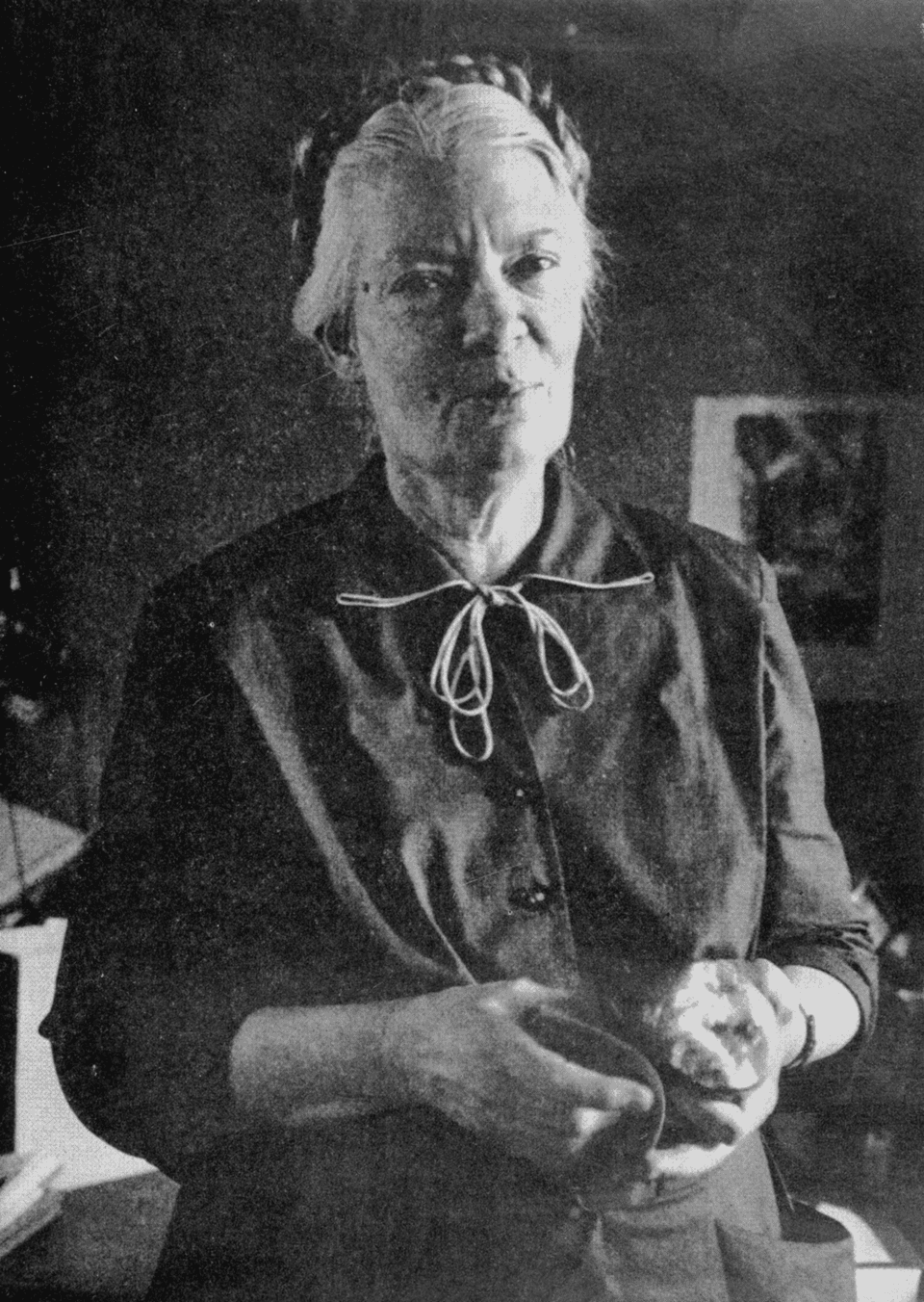
American · Activism · Literature
Dorothy Day
November 8, 1897 – November 29, 1980
Early Life and Background
Dorothy Day was born on November 8, 1897, in Brooklyn Heights, New York City, to John and Grace Day. Raised in a nominally religious family, Day was exposed to the disparities between the rich and poor from a young age, especially after her family relocated to Chicago following the 1906 San Francisco earthquake. Her father's struggles with employment during the early 1900s deeply influenced her outlook on social justice.
Day attended the University of Illinois at Urbana-Champaign but left before completing her degree. Her early exposure to social movements and radical politics during her time in Illinois seeded her commitment to social causes.
Career Beginnings and Development
After college, Day moved back to New York City, working as a journalist in newspapers that championed labor rights and socialist causes. She wrote for publications like 'The Call' and 'The Masses,' where she developed her voice as a writer and advocate for the oppressed.
Her early involvement in the radical journalism of New York in the 1910s and 1920s laid the foundation for her future work. During this period, she also engaged in various activist causes, including women's suffrage and pacifism.
Major Works, Accomplishments, and The Catholic Worker Movement
In 1933, Dorothy Day co-founded the Catholic Worker Movement with Peter Maurin, publishing the Catholic Worker newspaper that advocated for Catholic social teaching about the poor and social justice. The movement advocated for voluntary poverty, pacifism, and hospitality. Day was instrumental in the Movement's expansion, establishing Houses of Hospitality and farming communes across the United States.
The Catholic Worker's commitment to aiding the marginalized resonated widely, especially during the Great Depression. Day's writing and activism focused on the works of mercy, a cornerstone of Catholic social justice, to provide direct aid to those in need, challenge systemic injustice, and promote peace.
Awards, Honors, and Recognition
Although Day's work was controversial at times, she was widely respected for her dedication to her causes. She received numerous accolades from religious and secular institutions alike. Despite these, she often focused the spotlight away from herself onto the issues she championed.
Personal Life
Before her embrace of Catholicism, Dorothy had a daughter, Tamar, with foster father Forster Batterham. Her conversion to Catholicism in 1927 strained their relationship as Batterham was an atheist. Day's faith would remain a pivotal element of her activism and personal life.
Legacy and Historical Impact
Day's legacy is profound in both religious and secular circles as an exemplar of principled activism. Her life's work challenged societal norms, focusing on social justice, the dignity of work, and primacy of conscience and faith in action. The Catholic Worker Movement continues to be an influential force for social change, embodying Day's lifelong commitment to collective and personal responsibility to the poor and powerless.
Later Life and Death
Until her death on November 29, 1980, Dorothy continued to advocate for social justice, participating in protests against wars and nuclear armament. She left a legacy of dedication and an enduring influence on generations of activists pursuing social justice through peaceful means.
Dated achievements
2 indexed.
- Nov081897Activism
Birth of Dorothy Day
Dorothy Day was born on November 8, 1897, in Brooklyn, New York.
View details Dorothy Day - Wikipedia - Nov291980