← All women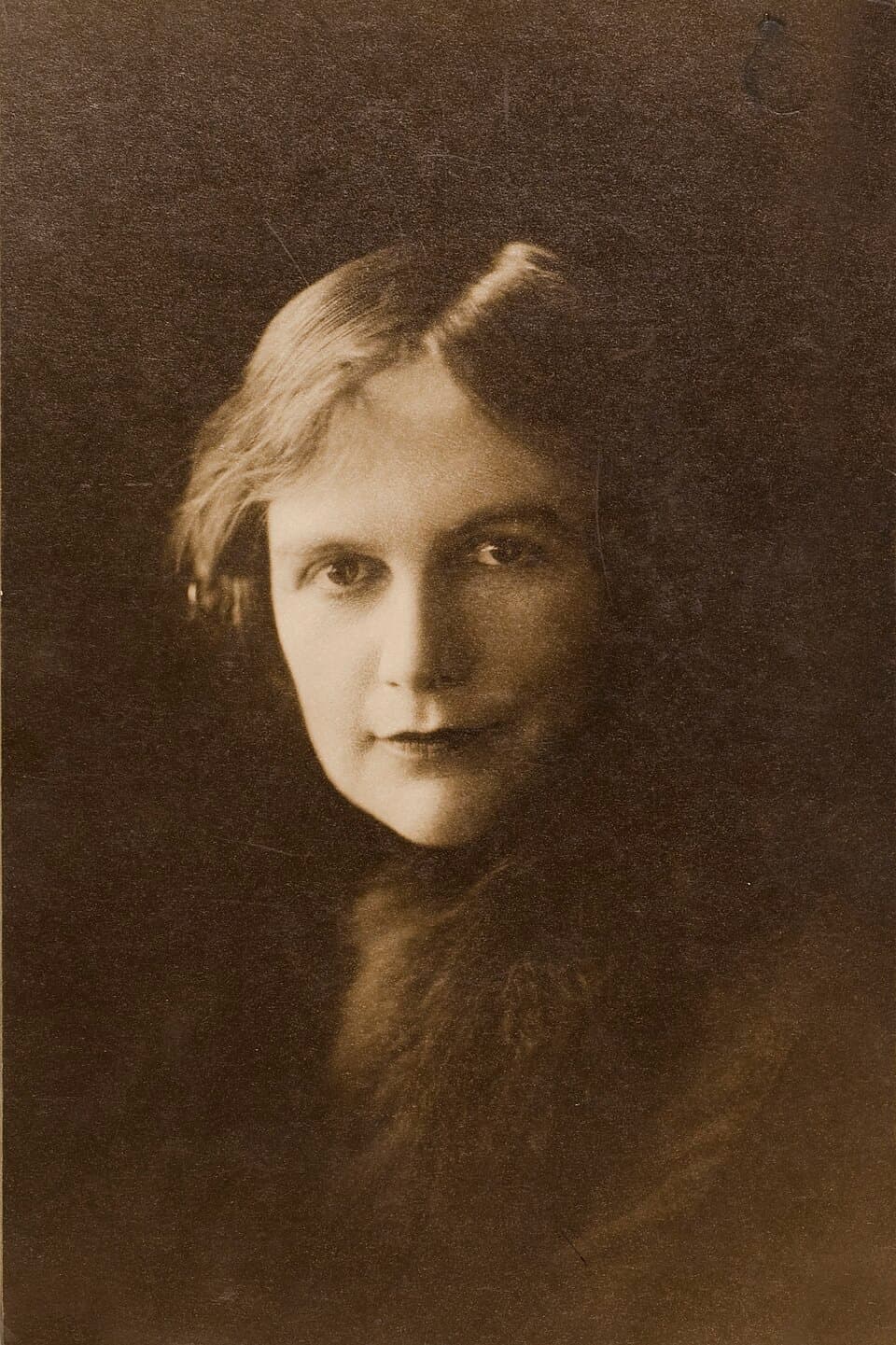
Australian · Literature
Dorothea Mackellar
July 1, 1885 – January 14, 1968
Early Life and Background
Isobel Marion Dorothea Mackellar was born on July 1, 1885, in Point Piper, Sydney, Australia. She was the third child and only daughter of Sir Charles Mackellar, a prominent physician and politician, and Marion Mackellar, née Buckland. Her family was well-established in Sydney society, which provided her with an environment rich in intellectual and artistic influences. Dorothea received a private education tailored to cultivate her artistic talents and linguistic skills, becoming fluent in multiple languages, including French, German, and Spanish.
Career Beginnings and Development
Mackellar's initial foray into literature was deeply personal, inspired by her surroundings and the dichotomous beauty of the Australian environment. Her poetic gift became widely recognized with the publication of the poem "My Country" in 1908, originally titled "Core of My Heart." First published in the London Spectator, the poem powerfully evoked the unique aesthetic and emotional landscape of Australia, emphasizing its beauty and resilience.
Major Works and Accomplishments
"My Country" remains Mackellar's most famous work, often recited in schools across Australia as a quintessential representation of national pride. Her first collection, "The Closed Door, and Other Verses," was published in 1911, followed by several other collections, including "The Witch-Maid, and Other Verses" in 1914 and "Dreamharbour" in 1923. Her poetry reflects a strong connection to the land, and her simple yet profound language has left a lasting legacy in Australian arts.
Awards, Honors, and Recognition
Throughout her life and posthumously, Mackellar's contributions to literature were celebrated. Despite not receiving formal literary awards during her lifetime, her writings were included in numerous anthologies of Australian poetry, cementing her status as a critical figure in the country's cultural landscape. In 1968, Canberra's Dorothea Mackellar Memorial features a bronze bust commemorating her contributions.
Personal Life
Mackellar traveled extensively, which broadened her perspectives beyond her native Australia. Despite her literary success, she preferred a private life away from the public eye. There is little detail about any romantic involvements or progeny. Her family home, "Cintra," was a center of her life, serving as a retreat and a source of inspiration.
Legacy and Historical Impact
Dorothea Mackellar's legacy is enshrined not only in her poetry but also in the continuing celebration of her work through cultural events and educational recitations in Australia. Her portrayal of the Australian landscape helped shape and solidify a distinct national identity at a time when Australia was emerging from the shadows of British colonial influence. Her centricity on the land fostered a deeper appreciation and understanding of the unique beauty and challenges of the Australian environment.
Later Life and Death
During her later years, Mackellar's health declined, and she spent much of her time privately at home or in hospitals. She continued to write sporadically but never recaptured the acclaim of her earlier works. Dorothea Mackellar passed away on January 14, 1968, in Sydney, leaving behind a body of work that continues to resonate with Australian readers and poets.
Dated achievements
2 indexed.
- Jul011885Literature
Birth of Dorothea Mackellar
Dorothea Mackellar was born on July 1, 1885, in Point Piper, Sydney, Australia.
View details Australian Dictionary of Biography: Dorothea Mackellar - Jan141968Literature
Death of Dorothea Mackellar
Dorothea Mackellar passed away on January 14, 1968, in Sydney, Australia.