← All women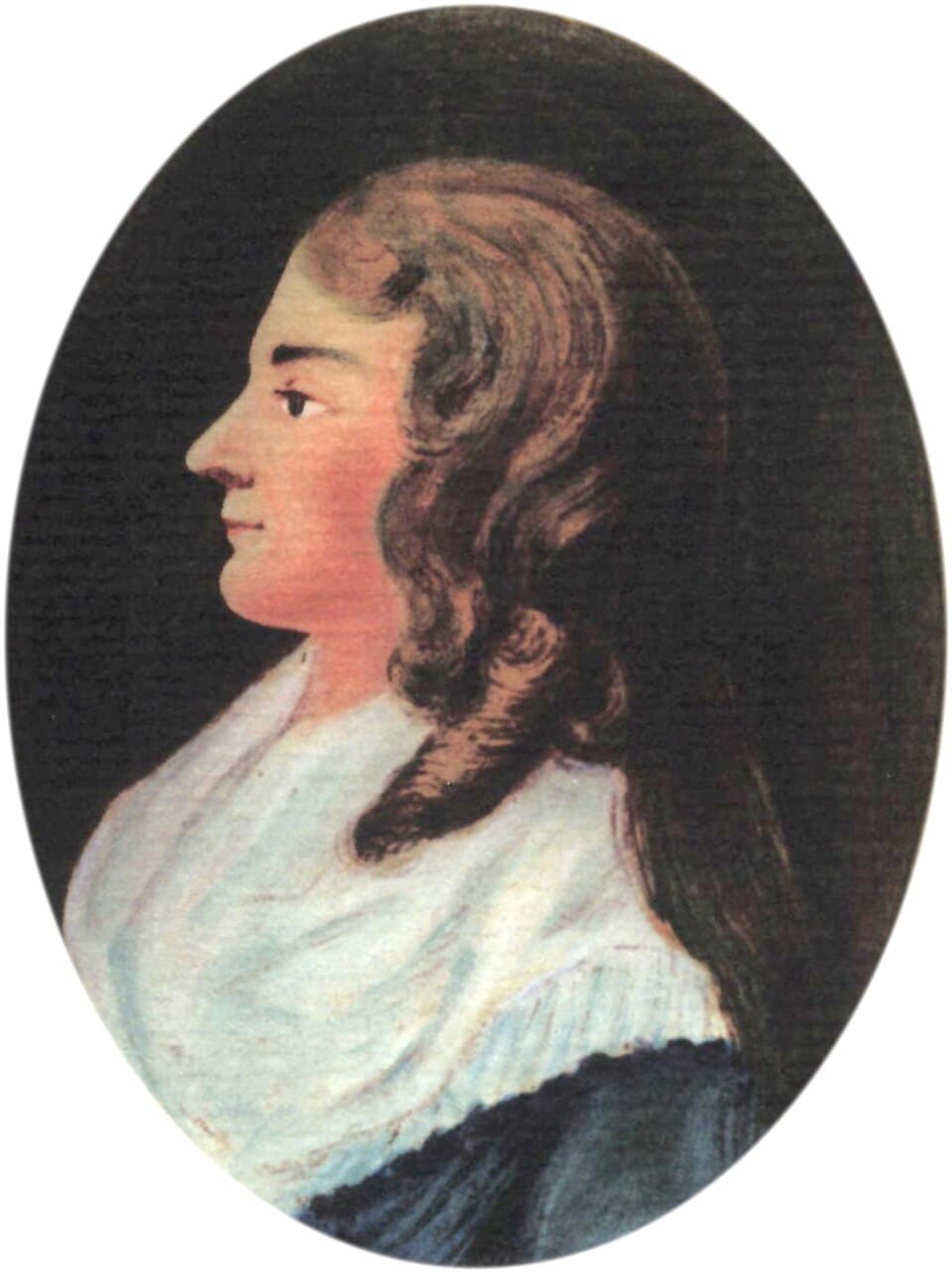
German · Medicine
Dorothea Erxleben
November 13, 1715 – June 13, 1762
Early Life and Background
Dorothea Christiane Erxleben was born on November 13, 1715, in Quedlinburg, Germany, to Christian Polycarp Leporin, a medical doctor, and Anna Sophia Leporin. Her father, recognizing her intellectual potential, provided her with a comprehensive education typically reserved for boys, encouraging her to pursue scholarly interests. Growing up in a household where medical knowledge was abundant, Dorothea developed a keen interest in medicine from an early age.
Career Beginnings and Development
Despite societal norms that limited female participation in higher education, her father tutored her extensively in medicine. In 1742, Dorothea published a tract arguing for the ability of women to pursue medical education and practice. Her bold stance garnered attention, but it wasn't until 1754 that she matriculated at the University of Halle, overcoming significant resistance from male contemporaries. She successfully defended her dissertation on the inefficiencies of medical diagnoses without a patient history, achieving her doctorate in medicine—even as she balanced familial responsibilities.
Major Works, Discoveries, or Accomplishments
Erxleben's achievements were marked by her dissertation titled 'Academia argumentum de praejudiciis medicorum,' through which she critiqued common prejudices in medical practice. The attention to methodological rigor in medical practice positioned her as a pioneering figure in professionalizing medicine for women. Her work inadvertently laid early foundational thoughts for patient-centered medical practices.
Awards, Honors, and Recognition Received
While formal accolades were sparse for women during her time, Erxleben's successful acquisition of a medical degree in 1754 stands as a testament to her groundbreaking role and the recognition she eventually received when she defied norms, opening career pathways for subsequent generations of female physicians.
Personal Life
In 1742, Dorothea married Johann Christian Erxleben, an army officer, and together they had four children. Her family played a crucial role supporting Dorothea's medical pursuits, providing her a rare opportunity to balance family life and academic objectives—an endeavor she managed remarkably well given the period's restrictive views on women's roles.
Legacy and Historical Impact
Dorothea Erxleben's legacy as the first German woman to earn a medical degree extended beyond her lifetime as she became a symbol of perseverance and scholarly pursuit for women. Her fight against gender bias in academic circles inspired many future female practitioners in Europe and beyond, ultimately driving gradual societal acceptance of women in professional and scientific domains.
Later Life and Death
Throughout her career, Dorothea actively practiced medicine until her untimely death on June 13, 1762, in Quedlinburg. Her life and career symbolized a brave challenge to societal norms, influencing not just medical history, but the broader women’s rights movement.
Dated achievements
3 indexed.
- Nov131715Medicine
Birth of Dorothea Erxleben
Dorothea Erxleben was born in Quedlinburg, Germany.
View details Notable Births: Dorothea Erxleben - Jun121754Medicine
First Woman to Earn a Medical Doctorate in Germany
Dorothea became the first woman in Germany to earn a medical doctorate in 1754.