← All women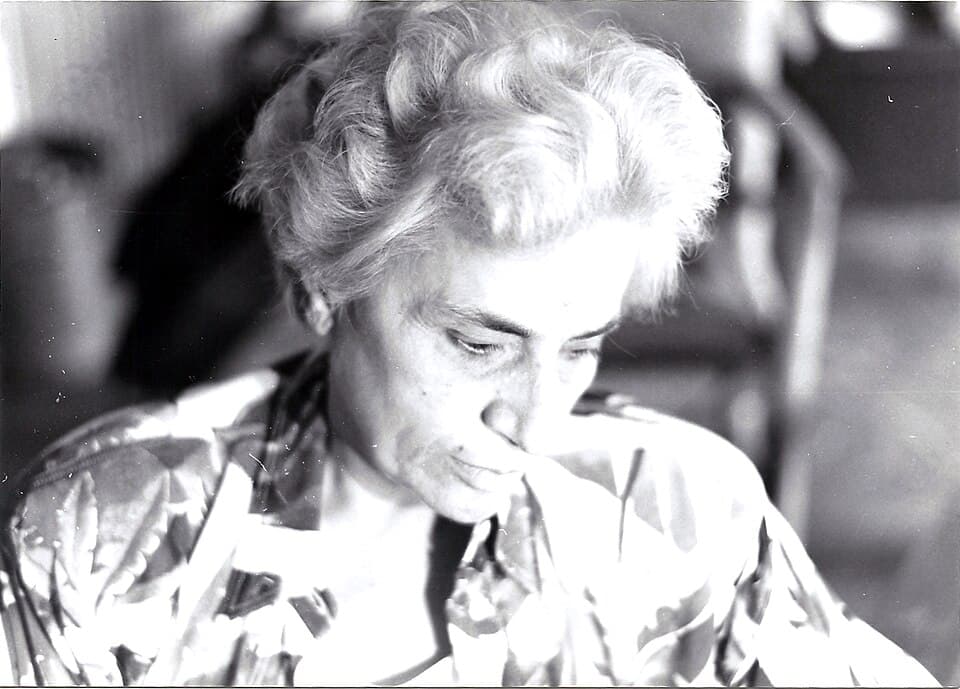
Greek · Arts
Domna Samiou
October 12, 1928 – March 10, 2012
Early Life and Background
Domna Samiou was born on October 12, 1928, in the Kaisariani neighborhood of Athens, Greece, to refugee parents who fled from Asia Minor. Growing up amidst a community significantly marked by displacement, Samiou was exposed to a rich tapestry of oral musical traditions. Her father, a laborer, and her family’s broader community contributed profoundly to her early formative experiences. Samiou attended primary school in Athens, where she was introduced to the various regional sounds that would later shape her career. Her family instilled in her a deep respect for the cultural heritage and music tradition of her ancestry, which later became the foundation of her life's work.
Career Beginnings and Development
Samiou began her career in music at an early age. By the age of 13, she had joined the Greek Radio’s Children’s Choir conducted by Simon Karas, a prominent musicologist known for his work on Greek traditional music. Under Karas’ mentorship, she gained a comprehensive understanding of Greek folk music and its diverse dialects.
In the 1960s, she pursued professional work that involved performing and preserving traditional Greek folk music. Her endeavors included extensive fieldwork where she archived and recorded authentic folk songs directly from rural communities across Greece. Samiou's meticulous approach and dedication to authenticity helped conserve numerous folk songs that might have otherwise been forgotten.
Major Works and Accomplishments
One of Samiou’s most notable contributions came in the 1970s with the founding of the Domna Samiou Greek Folk Music Association. This organization aimed to preserve and revive Greek traditional music through research, recordings, and live performances. Her efforts brought traditional Greek music to new audiences both nationally and internationally.
Her album “Music of the Greeks” became a landmark in the field and provided an enduring illustration of the variety within Greek folk traditions. Samiou was pivotal in introducing many to the intricate beauty and cultural significance of these historical sounds.
Awards, Honors, and Recognition
Throughout her career, Domna Samiou received numerous accolades for her contributions to cultural preservation. She was celebrated both in Greece and globally as a custodian of Greek heritage, bringing recognition to a genre that was in danger of vanishing. Her performances in venues worldwide, including Carnegie Hall and the Royal Festival Hall, helped shine a global spotlight on Greek folk music.
Personal Life
Little is publicized about Samiou’s personal life, as she predominantly focused on her work. Her personal life was likely enriched by the cultural narratives she passionately documented.
Legacy and Historical Impact
Domna Samiou's diligent work ensures that Greek traditional music continues to thrive. Her recordings provide an invaluable educational resource and continue to inspire new generations of folk musicians and ethnomusicologists. By bridging the gap between generations, Samiou has cemented her legacy as an icon of cultural preservation.
Later Life and Death
Domna Samiou continued her work in music until her later years, performing and advocating for Greek music’s vital role in national identity. She passed away on March 10, 2012, but her work lives on through the numerous records and collections she left behind, ensuring that Greek folk music remains accessible and appreciated worldwide.
Dated achievements
2 indexed.
- Oct121928Arts
Birth of Domna Samiou
Domna Samiou was born in Athens, Greece.
View details Domna Samiou Official Website - Mar102012Arts
Death of Domna Samiou
Domna Samiou passed away on March 10, 2012, leaving a legacy in Greek music.
View details