← All women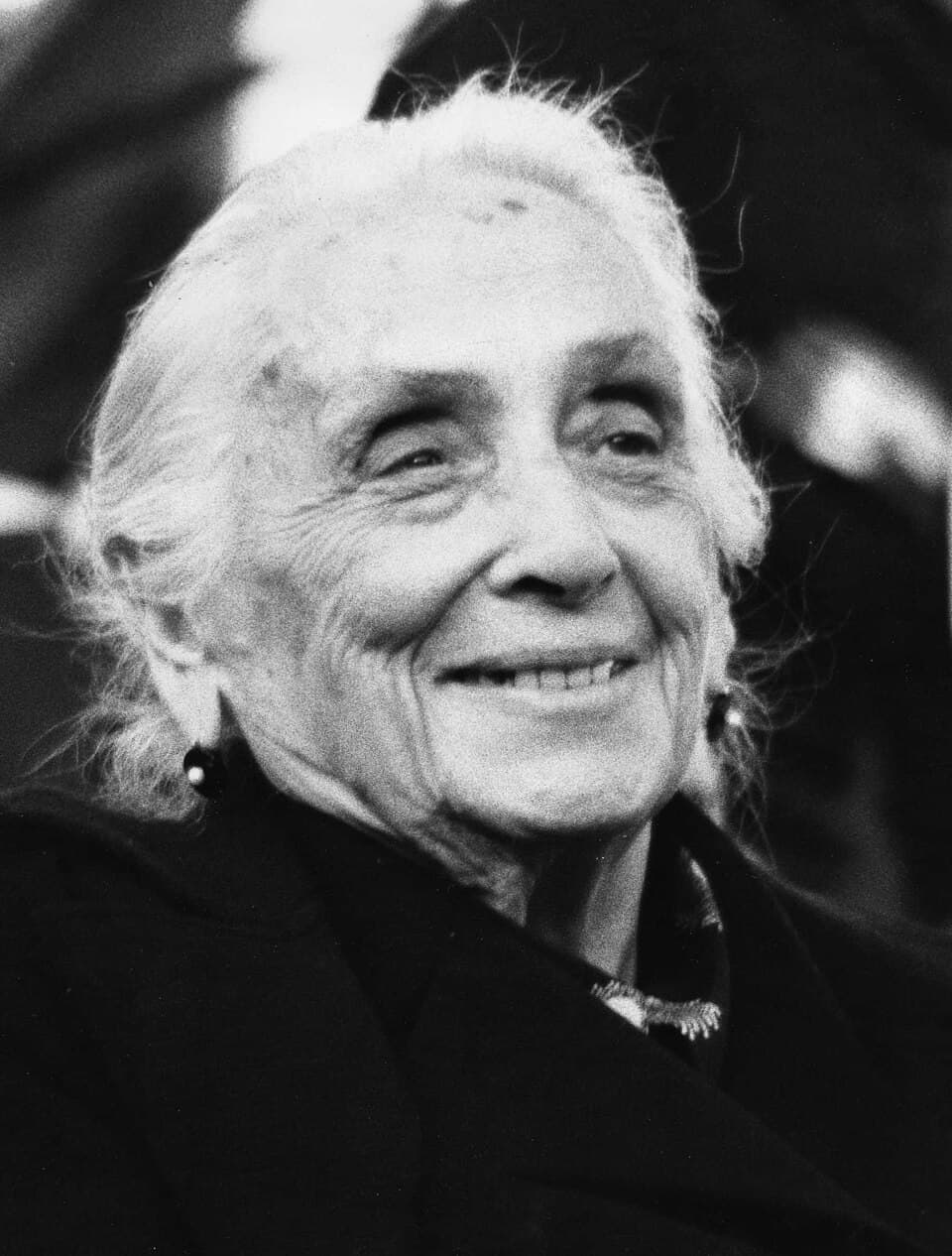
Spanish · Politics · Activism
Dolores Ibárruri
December 9, 1895 – November 12, 1989
Early Life and Background
Dolores Ibárruri, famously known as "La Pasionaria," was born on December 9, 1895, in the mining village of Gallarta, near Bilbao in the Basque Country of Spain. Her birth into a working-class family, with a father who was a miner, profoundly influenced her perspective on social justice and workers' rights. Despite economic hardships, Dolores was a precocious learner and showed an early interest in literature. However, her education was curtailed due to financial constraints, leading her to take up work as a seamstress. Professionally, she began contributing articles to a socialist newspaper, marking her first foray into activism.
Career Beginnings and Development
In 1916, Ibárruri married a revolutionary miner, Julián Ruiz, with whom she shared ideological beliefs. Her career as an activist began earnestly when she joined the Spanish Socialist Workers' Party in 1917, and by 1920, she had helped found the Spanish Communist Party (PCE). Her pen name, "La Pasionaria," meaning 'the passionflower,' emerged from an article she wrote in 1918, which became emblematic of her fiery rhetoric and passionate oratory. Her rise within the communist ranks was swift, and she became a key figure in advocating for workers' rights and bolstering the party's ranks in Spain.
Major Works and Accomplishments
Ibárruri’s most significant contributions came during the tumultuous years of the Spanish Civil War (1936-1939), where she emerged as a central figure in the Republican resistance against Francisco Franco's Nationalist forces. Her radio broadcasts and speeches, especially the emblematic call of "No pasarán!" (They shall not pass!), became synonymous with the resistance movement. She served as a Member of Parliament from 1936 to 1939, leveraging her position to defend democratic principles. Her presence in the International Brigades further consolidated her influence as not just a national, but international symbol of anti-fascism.
Awards, Honors, and Recognition
Throughout her life, Dolores Ibárruri received numerous accolades for her unwavering commitment to communism and international solidarity. Her legacy was celebrated posthumously, with various institutions and streets named in her honor across Spain and other parts of the world. Her memoirs, "They Shall Not Pass," continue to be an inspirational read on the resistance against oppression.
Personal Life
Dolores had six children, although the economic and political instability of the era resulted in personal tragedy. Her personal life, marred by losses, remained closely intertwined with her public endeavors. Her dedication to her political cause often took precedence over familial responsibilities, illustrating the extensive sacrifices she made for her beliefs.
Legacy and Historical Impact
Dolores Ibárruri's charisma and dedication as a leader of the Communist Party earned her a complex but formidable legacy. Regarded as one of the 20th century's leading anti-fascist icons, she is celebrated for her exceptional oratory skills and her unwavering belief in the power of the working class. Her advocacy laid the groundwork for future feminist movements in Spain, and her story remains an exemplar of the profound impact of public political activism.
Later Life and Death
Following Franco's victory, Ibárruri spent many years in Russia, gradually becoming a figurehead in the international communist movement. She returned to Spain following Franco's death and the subsequent establishment of democracy. Dolores Ibárruri passed away on November 12, 1989, in Madrid. Her funeral attracted thousands, underscoring her enduring influence and the respect she commanded among those in pursuit of justice and equality.
Dated achievements
2 indexed.
- Dec091895Politics
Birth of Dolores Ibárruri
Dolores Ibárruri was born on December 9, 1895, in the Basque Country of Spain.
View details Dolores Ibárruri - Britannica - Nov121989Politics
Death of Dolores Ibárruri
Dolores Ibárruri passed away on November 12, 1989, in Madrid.
View details