← All women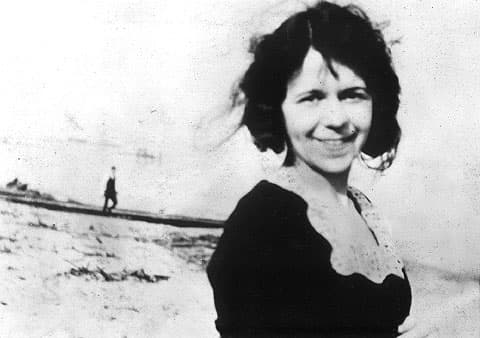
American · Literature
Dawn Powell
November 28, 1896 – November 14, 1965
Early Life and Background
Dawn Powell was born on November 28, 1896, in Mount Gilead, Ohio. She endured a difficult childhood; following her mother's death when Powell was just six, her father sent her to live with an abusive stepmother. Despite such adversity, Powell found solace in literature, nurturing a love for writing early on. She attended Lake Erie College for Women on a scholarship, where she honed her craft and affirmed her commitment to becoming a writer.
Career Beginnings and Development
After relocating to New York City in 1918, Powell embarked on a literary career marked by persistence and talent. Her first novel, Whither, was published in 1925, though it was met with lukewarm response. However, her career trajectory shifted positively with the 1936 novel Turn, Magic Wheel, which showcased her astute ability to weave satire with social commentary.
Major Works, Discoveries, or Accomplishments
Powell wrote a total of 16 novels, including classics like A Time to Be Born (1942), a thinly-veiled critique of the media moguls of her time, and The Locusts Have No King (1948), which offered a piercing look at academia and media. Powell's works skillfully depicted her era's social landscapes, with sharp humor and unique insight into human character. Beyond novels, she also penned numerous short stories and plays, expanding her impact in American literature.
Awards, Honors, and Recognition
While Powell's literary talents were not fully celebrated during her lifetime, her work has since been rediscovered and celebrated in literary circles. Her diaries and letters have been published posthumously, offering rich insight into her intellect and the cultural milieu of 20th-century New York. Writers such as Gore Vidal and Tim Page have lauded her sharp wit and narrative style, securing her place among the esteemed satirists of her time.
Personal Life
In 1920, Powell married Joseph Gousha, an advertising executive, with whom she had a son. Her personal life was marked by challenges, including caring for her son who had significant health issues. Nonetheless, Powell's commitment to her craft remained unyielding.
Legacy and Historical Impact
Though she spent much of her life in relative obscurity, Powell's posthumous recognition affirms the timelessness of her work. Her keen observations about the eccentricities of urban life and society's foibles have made her a valued literary figure. Notably, New York City, which served as both her canvas and muse, continues to celebrate her legacy through readings and critical studies.
Later Life and Death
Dawn Powell continued to write until her health began to deteriorate in the early 1960s. She passed away on November 14, 1965, in New York City. Despite the relatively quiet end to her life, Powell left behind an indelible legacy that continues to resonate with readers and scholars.
Dated achievements
2 indexed.
- Nov281896Literature
Birth of Dawn Powell
Dawn Powell was born on November 28, 1896, in Mount Gilead, Ohio.
View details Wikipedia article on Dawn Powell - Nov141965Literature
Death of Dawn Powell
Dawn Powell died on November 14, 1965, in New York City, leaving behind a remarkable literary legacy.
View details