← All women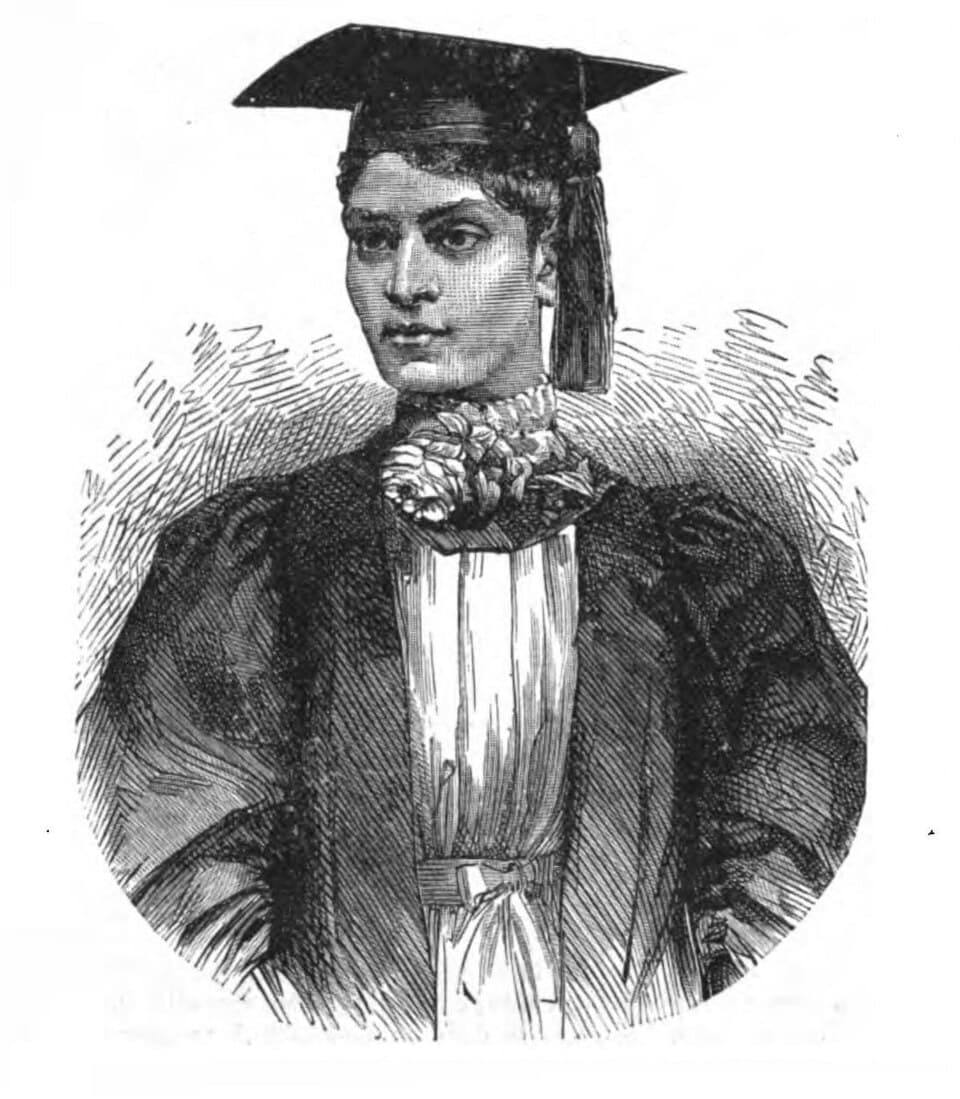
Indian · Law · Activism
Cornelia Sorabji
November 15, 1866 – July 6, 1954
Early Life and Background
Cornelia Sorabji was born on November 15, 1866, in Nashik, Bombay Presidency, British India. She was the daughter of Reverend Sorabji Kharsedji, a Parsi Christian missionary, and his wife, Francina Ford, who was one of the first women to attend college in British India. Influenced by her parents' dedication to education and social reform, Sorabji was encouraged to pursue her academic interests from a young age.
Cornelia received her early education at Deccan College, Pune, where she excelled and went on to become the first woman to graduate from Bombay University in 1888, earning a first-class degree in English Literature.
Career Beginnings and Development
After completing her undergraduate studies, Sorabji aspired to continue her education in the legal field, facing significant resistance due to her gender. Despite these challenges, she became the first woman to study law at Oxford University in 1892, though she was unable to receive a degree due to university regulations at that time.
Returning to India by 1894, Sorabji began her pioneering work, advocating for the legal rights of purdahnashins, women who, due to traditional practices, were not allowed to communicate with the outside male society. She became a legal advisor to these women, helping them in legal matters while also challenging the patriarchal norms of her time.
Major Works and Accomplishments
In 1904, Cornelia Sorabji was appointed as the Lady Assistant to the Court of Wards, allowing her a formal position from which she could offer legal advice and representation. Over the next two decades, she helped many women in conservative families understand and claim their inheritance rights, often taking on cases involving property and estate issues. Her writings included legal handbooks and biographical sketches, documenting her legal work and insights into Indian society.
Awards, Honors, and Recognition
Despite societal resistance, Sorabji persisted and in 1924, she was officially recognized as a barrister, becoming one of the first women permitted to practice law in India after the legal profession opened up to women. Though her contributions were recognized posthumously, her work was honored by several institutions over the years, highlighting her advocacy for women's rights in colonial India.
Personal Life
Sorabji remained unmarried, dedicating her life to legal reform and social issues. Her personal beliefs were shaped by a blend of academic rigor and a strong sense of justice, advocating tirelessly for those less represented in society.
Legacy and Historical Impact
Cornelia Sorabji left a profound legacy as a pioneer for women's rights in law. She opened doors for future generations of Indian women in the legal profession. Her experiences and writings not only enriched the legal landscape but also questioned cultural norms, inspiring societal change. Sorabji's advocacy and legal work set a foundation that would take years to fully materialize but undoubtedly opened opportunities for the women of South Asia and beyond.
Later Life and Death
In the latter part of her life, Sorabji continued to write and participate in social reform activities until her health began to decline. She passed away in London on July 6, 1954, her contributions leaving an indelible mark on both Indian and British societies. Her life's work remains a testament to courage and dedication in the face of gender barriers.
Dated achievements
2 indexed.
- Nov151866Law
Birth of Cornelia Sorabji
Cornelia Sorabji was born on November 15, 1866, in Nashik, Bombay Presidency, British India.
View details Encyclopedia - Cornelia Sorabji - Jul061954Law
Death of Cornelia Sorabji
Cornelia Sorabji passed away on July 6, 1954, in London, leaving behind a legacy of legal reform and women's rights advocacy.