← All women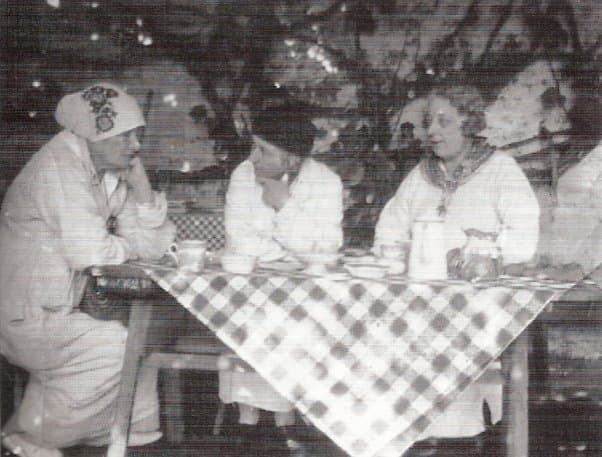
British · Arts
Clare Atwood
May 7, 1866 – August 2, 1962
Early Life and Background
Clare 'Tony' Atwood was born on May 7, 1866, in Richmond, Surrey, England. She was the daughter of Frederick Atwood and Marie Louise Heys. Raised in a family inclined towards the arts, her early environment nurtured her burgeoning interest in art. Clare was educated at Saint John’s Wood School of Art and later at The Royal Academy Schools, where she honed her skills and developed a profound appreciation for the craft of painting.
Career Beginnings and Development
Atwood's early career was marked by her participation in the avant-garde art movement of London. As a member of the New English Art Club and the Allied Artists' Association, she quickly gained recognition for her paintings, which often depicted domesticity and everyday life with a rhythmic vitality. Her style evolved under the influence of post-impressionism, yet her works retained a distinct personal touch.
Major Works and Accomplishments
Clare Atwood is well-known for her contributions during World War I, when she was commissioned as a war artist. Her painting, "The Vicar and Churchwardens" is one of her notable works, capturing the essence of wartime administration within the local parish. Through these works, Atwood conveyed the emotional depth and social dimensions of war, providing historical insight into the era.
Awards, Honors, and Recognition
Atwood's contribution to art was significant, earning her respect and distinction within the British art community. She exhibited at the Royal Academy and was part of the influential London Group, which included other prominent artists of her time. While specific awards during her lifetime are not widely documented, her legacy continues through public collections and retrospectives of her work.
Personal Life
Clare Atwood’s personal life was as intriguing as her professional endeavors. She was part of a notable ménage à trois involving Christabel Marshall and actress Edith Craig. This intimate relationship contributed to her close connections with women's suffrage and artistic circles. Together, they played a pivotal role in cultural and feminist movements during the early 20th century.
Legacy and Historical Impact
Atwood’s devotion to both her art and social movements left a lasting impact. Her works continue to be exhibited and celebrated for their unique approach to domestic and wartime themes. As an active member of the artistic community, she paved the way for future female artists by breaking gender norms and promoting women’s independence and expression through art.
Later Life and Death
In her later years, Clare Atwood remained actively involved in painting and supporting the arts. She passed away on August 2, 1962, in London, leaving behind a rich legacy of cultural and artistic contributions. Her works are preserved in galleries and institutions, ensuring her enduring presence in the art world.
Dated achievements
1 indexed.
- May071866Arts
Birth of Clare Atwood
Clare Atwood was born on May 7, 1866, in Richmond, Surrey.
View details Wikipedia