← All women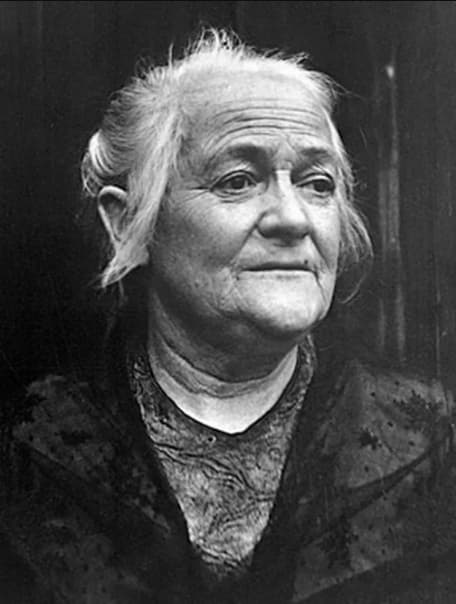
German · Politics · Activism
Clara Zetkin
July 5, 1857 – June 20, 1933
Early Life and Background
Clara Zetkin was born Clara Eissner on July 5, 1857, in Wiederau, Saxony, Germany. Her father, Gottfried Eißner, was a schoolteacher and her mother, Josephine Vitale Eißner, a middle-class intellectual, influenced her education. Clara’s advanced education was rare for her time, fueling her thirst for knowledge and social justice.
Career Beginnings and Development
Clara entered the political fray when she joined the Socialist Workers' Party of Germany in the 1870s. Facing anti-socialist laws, she relocated to Zurich and later to Paris, where she engaged with other notable socialists. Through her editorial work and participation in the International Socialist Congress, she developed a reputation as a fierce advocate for workers’ and especially women’s rights.
Major Works and Accomplishments
Zetkin’s contributions are immense, notably her role in founding International Women’s Day in 1910. During the Second International in Copenhagen, she proposed an annual day to advocate for women’s rights, which became a global phenomenon. Her writings, including her essays in socialist journals, consistently pushed for gender equality and workers' solidarity.
Awards, Honors, and Recognition
Though official recognitions were scarce in her lifetime due to political ostracism, Zetkin's legacy has been celebrated posthumously through various honors, including commemorations during International Women’s Day and institutions bearing her name dedicated to women's rights advocacy.
Personal Life
Her personal life was deeply intertwined with her political activism. She was married to Osip Zetkin, with whom she had two sons, Maxim and Konstantin. Her marriage, like her activism, represented a melding of personal conviction and political ideology.
Legacy and Historical Impact
Clara Zetkin’s impact on the women's movement remains profound. Her advocacy for women's suffrage and equal pay were pioneering at the turn of the century, laying groundwork for future feminist and socialist movements. Her speeches and writings continue to inspire activist and academic discourses globally.
Later Life and Death
In her later years, Zetkin remained politically active, even serving as the chairwoman of the Reichstag's oldest member's council under the Weimar Republic. She passed away on June 20, 1933, in Archangelskoe, Russia, exiled from her homeland but celebrated for her lifelong dedication to equality and justice.
Dated achievements
2 indexed.
- Jul051857Politics
Clara Zetkin's Birth
Clara Zetkin was born on July 5, 1857, in Saxony, Germany.
View details Clara Zetkin - Wikipedia - Jun201933Politics
Death of Clara Zetkin
Clara Zetkin died on June 20, 1933, in Archangelskoe, Russia.
View details