← All women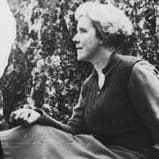
German · Literature · Arts
Clara Nordstrom
January 3, 1886 – February 7, 1962
Early Life and Background
Clara Nordström, born Clara Elisabet von Vegesack on January 3, 1886, in Karlskrona, Sweden, grew up in a family rich in literary and cultural heritage. Her father, a military officer, imbued in her a sense of discipline and an appreciation for world history, which later became prevalent in her works. She was educated in Germany and Sweden, which influenced her bilingual proficiency and cultural adaptability. Her intellectual upbringing set the foundation for a career that seamlessly merged Swedish and German literary traditions.
Career Beginnings and Development
Nordström began her writing career with translations, leveraging her multilingual background. Her early works involved translating significant Swedish literature into German, including the works of Selma Lagerlöf, which allowed her to establish herself in the German literary circles. The transition into writing historical novels marked a new phase in her career, showcasing her deep understanding of European history and her skill in weaving intricate narratives.
Major Works and Accomplishments
Among Nordström's notable contributions are her historical novels such as “Der Pfarrer von Klockaregårda” and “Auf der Halbinsel Sirmio,” which captured the socio-political nuances of the regions and eras she depicted. Her works are characterized by meticulous historical accuracy and a profound exploration of human experiences against the backdrop of historical events.
Awards and Honors
Throughout her career, Nordström received various accolades, reflecting her status in the literary world. Her ability to bridge cultures and histories through literature earned her critical acclaim, contributing to the recognition of Nordic literature in the German-speaking world.
Personal Life
Nordström's personal life mirrored the cultural dualities she explored in her writings. She was married to the Swedish author Ludvig Nordström, through whom she continued to engage deeply with Swedish literature. Her relationships and family life were often reflected in the themes of her novels, highlighting personal and cultural identity in a changing Europe.
Legacy and Historical Impact
Clara Nordström’s legacy lies in her unique ability to broaden the horizons of German readers through her translations and original works. Her novels offered a window into the Nordic world, highlighting cultural interconnectedness and historical reflection. She remains a significant figure in the realm of historical literary fiction.
Later Life and Death
In her later years, Nordström continued to write and contribute to the field of translation, remaining active until her passing on February 7, 1962. Her death marked the end of a vibrant chapter in European literature, leaving behind a robust body of work that continues to inspire and educate.
Dated achievements
2 indexed.
- Jan031886Literature
Birth of Clara Nordström
Clara Nordström was born on January 3, 1886, in Karlskrona, Sweden.
View details Clara Nordström - Wikipedia - Feb071962