← All women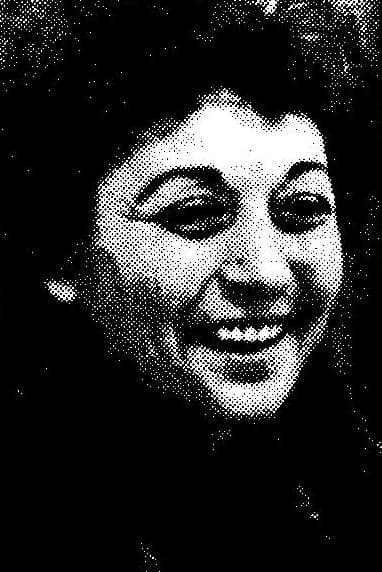
American · Politics · Activism
Clara Fraser
March 12, 1923 – February 24, 1998
Early Life and Background
Clara Fraser was born on March 12, 1923, in East Los Angeles, California. Her parents were Russian Jewish immigrants, who were fervent socialists, providing an early political influence. This upbringing laid the foundation for her future endeavors in social and political movements. Fraser attended the University of Washington, where she became deeply involved in student activism and labor organizing, demonstrating her commitment to addressing systemic inequalities.
Career Beginnings and Development
Fraser's career was marked by active involvement in various labor unions and socialist organizations. Initially working as an assembly-line electrician, she soon emerged as a union leader, advocating for workers' rights. Her early career also saw her involvement with the Socialist Workers Party, refining her skills in organizing and leadership. In 1966, her ideological differences led her to co-found the Freedom Socialist Party (FSP), a groundbreaking move that highlighted her dedication to integrating feminist perspectives into socialist discourse.
Major Works, Discoveries, or Accomplishments
Clara Fraser's most significant contribution came with the establishment of the FSP, where she advocated for a socialist feminist approach long before it became mainstream. This party provided a platform to address the intersecting oppressions of capitalism and patriarchy. Her notable role as an educator at the University of Washington’s Experimental College, where she developed the first women’s studies program, further underscored her commitment to women's liberation and education.
Awards, Honors, and Recognition
Though Fraser did not receive many formal awards, her role as a trailblazer in integrating feminism within socialist movements remains widely recognized. Her influence extended through the Freedom Socialist Party’s activities and her publications, which continue to be cited in feminist studies.
Personal Life
Clara's personal life was intrinsically linked to her activism. She was married to Richard Fraser, with whom she shared a commitment to socialism. Her personal relationships reflected her political alliances and were often a source of strength and inspiration in her activism. Fraser had two children, both of whom she instilled with her fervent beliefs in social justice and equity.
Legacy and Historical Impact
Clara Fraser's legacy lies in her pioneering role in the socialist feminist movement. Her efforts to address both gender and class inequalities have had a lasting impact on feminist theory and practice. The Freedom Socialist Party continues to promote her vision, influencing new generations of activists.
Later Life and Death
In her later years, Fraser continued her activism, focusing on writing and education. She passed away on February 24, 1998, leaving behind a robust legacy of activism and advocacy. Her death marked the end of an era for a movement she had been central to for decades.
Dated achievements
1 indexed.