← All women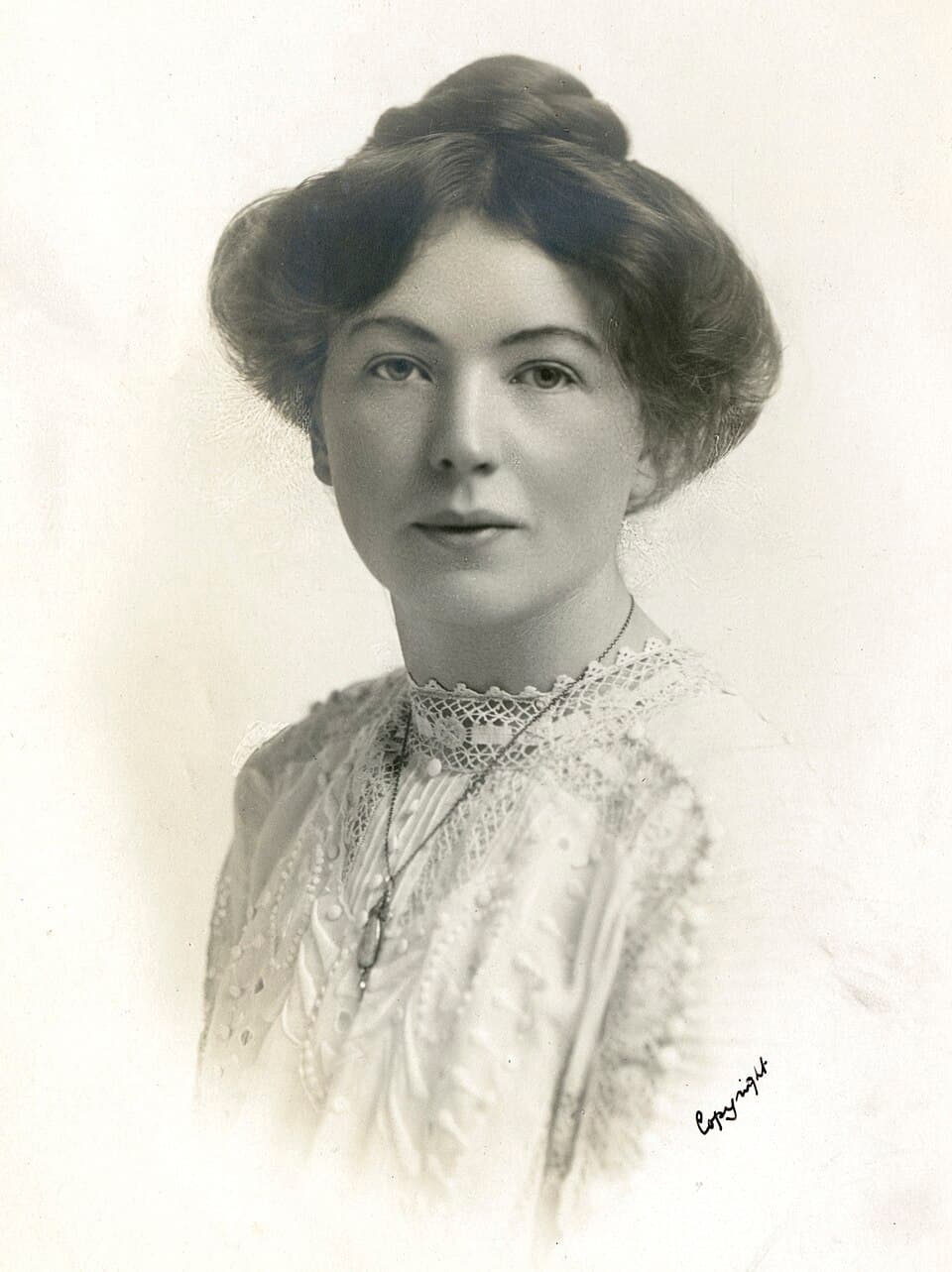
British · Politics · Activism · Law
Christabel Pankhurst
September 22, 1880 – February 13, 1958
Early Life and Background
Christabel Pankhurst was born on September 22, 1880, in Manchester, England. She was the daughter of Emmeline Pankhurst, a leading figure in the suffragette movement, and Richard Pankhurst, a lawyer best known for his pioneering work in women's rights and his involvement in the reformist movement. Raised in a politically active environment, Christabel was deeply influenced by her parents' activism. She pursued her education at the University of Manchester, where she studied law, though she was unable to practice due to her gender.
Career Beginnings and Development
Christabel's involvement in the suffrage movement began early; she co-founded the Women's Social and Political Union (WSPU) in 1903 with her mother. The WSPU's motto, 'Deeds, not words,' led to a militant approach in the fight for women's suffrage. Christabel orchestrated campaigns and protests that defied traditional gender roles and sought to make women's enfranchisement a political priority. Her tactics included public demonstrations and hunger strikes, which often led to imprisonment under controversial circumstances.
Major Works and Achievements
Christabel's activism was instrumental in catalyzing change. Her leadership and strategic approaches helped shift public perception and government policies concerning women's suffrage. In 1905, she was arrested during a raid at a Liberal Party meeting, which drew significant public attention and increased support for the women's suffrage movement. After World War I, in which women contributed significantly to the war effort, partial suffrage was granted to women in 1918.
Awards, Honors, and Recognition
Though official recognition in the form of awards was limited given the societal norms of her time, Christabel was recognized as a pioneering force within the suffrage movement. Her legacy is upheld through historical accounts and the continued membership and support of women's rights organizations worldwide.
Personal Life
Christabel remained unmarried, dedicating her life to activism. She was deeply connected with her family, especially her mother and sisters, who were also involved in the suffrage movement. Her personal life was intertwined with her political activism, as she often lived in political exile due to her campaigns.
Legacy and Historical Impact
Christabel Pankhurst's legacy is cemented in her pivotal role in achieving women's suffrage in the United Kingdom. Her influence extended beyond her lifetime, inspiring generations of women's rights activists worldwide. The success of the suffrage movement paved the way for further legislative advances in gender equality.
Later Life and Death
In her later years, Christabel emigrated to the United States, where she continued her activism, particularly in the areas of pacifism and religion. She passed away on February 13, 1958, in Los Angeles, California. Her life and work remain a testament to the power of determined activism in the pursuit of equality and justice.
Dated achievements
2 indexed.
- Sep221880Activism
Birth of Christabel Pankhurst
Birth of suffragette leader Christabel Pankhurst.
View details Wikipedia - Feb131958Activism
Death of Christabel Pankhurst
Christabel Pankhurst passed away on February 13, 1958.
View details