← All women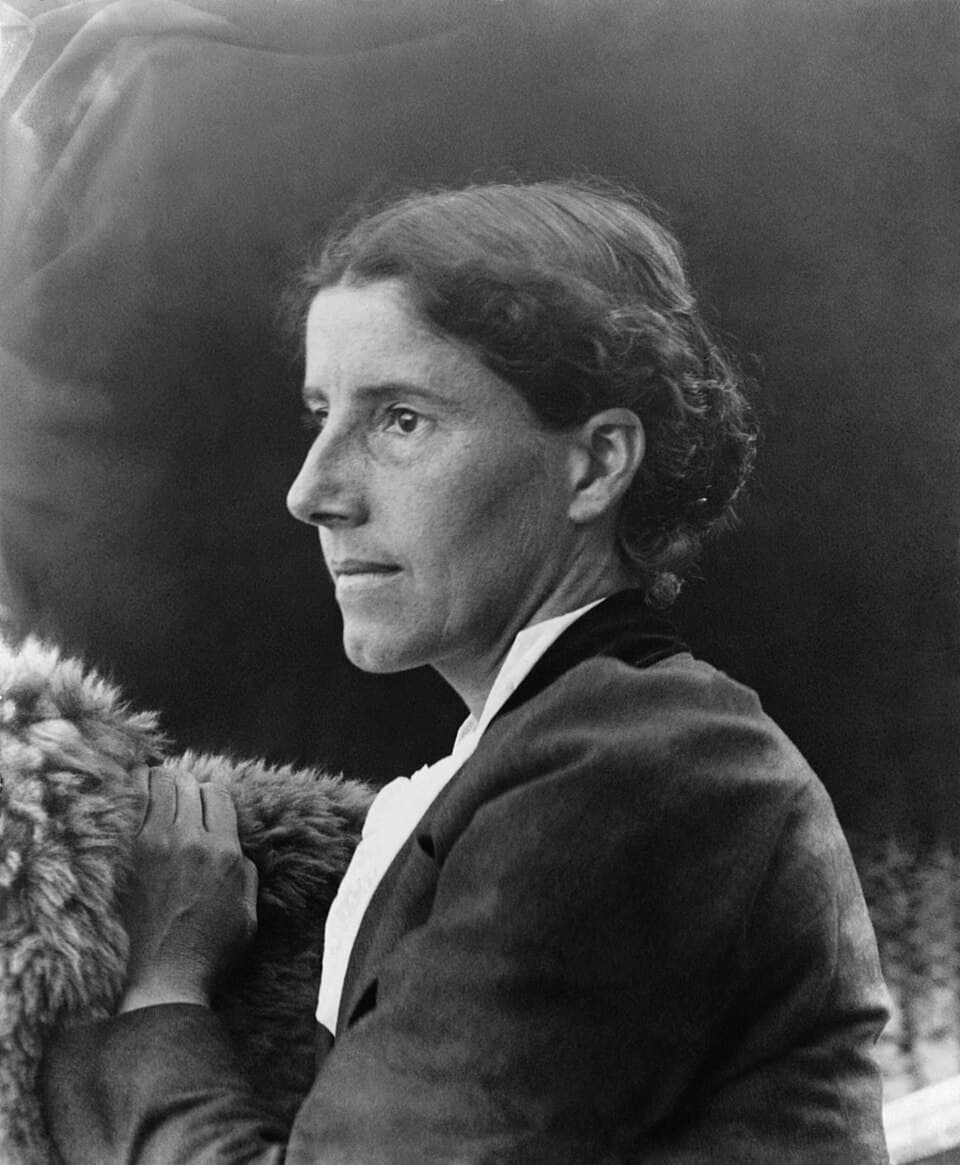
American · Literature · Activism
Charlotte Perkins Gilman
July 3, 1860 – August 17, 1935
Early Life and Background
Charlotte Perkins Gilman was born on July 3, 1860, in Hartford, Connecticut. She was the daughter of Mary Perkins and Frederick Beecher Perkins. Her father abandoned the family when she was young, leaving them in financial hardship. Gilman's educational opportunities were limited, but she was a voracious reader. Her childhood was marked by frequent moves and an unstable home life. She was related to notable figures such as Harriet Beecher Stowe, which influenced her early intellectual environment.
Career Beginnings and Development
After an unhappy marriage to Charles Walter Stetson and subsequent divorce, Gilman turned to writing and public speaking. Her initial work was published in various periodicals, and she soon became known for her poignant short stories that explored the complexities of women's lives. Her separation from Stetson was significant, as societal norms typically frowned upon divorce and women's independence.
Major Works and Accomplishments
Gilman is best known for her short story "The Yellow Wallpaper," published in 1892. The story is a chilling depiction of a woman's descent into madness and is considered a critical piece of feminist literature. In 1898, she published "Women and Economics," advocating for women's economic independence. Her works often addressed themes of societal reform and were instrumental in feminist discourse. Gilman also founded and edited a magazine, 'The Forerunner,' where she published many of her ideas.
Awards, Honors, and Recognition
While Gilman did not receive significant awards during her lifetime, her contributions were posthumously recognized as pivotal in women's rights and literature. Her ideas were considered radical, yet they have endured, continuing to inform feminist theory and literary studies.
Personal Life
Gilman's marriages were noteworthy parts of her life. Her divorce from Stetson was unconventional, as she left her daughter in his care—a decision made under mutual understanding rather than societal pressure. In 1900, she married Houghton Gilman, and they enjoyed a supportive partnership until his death in 1934. She had one daughter, Katherine, from her first marriage.
Legacy and Historical Impact
Charlotte Perkins Gilman left a profound legacy in the fields of literature and feminism. Her work challenged gender roles and highlighted the societal pressures women faced, advocating for systemic change. Her writings remain subjects of academic study and feminist discourse.
Later Life and Death
In her later years, Gilman continued to write and lecture. She moved to Pasadena, California, following her husband's death. In 1932, she was diagnosed with breast cancer. On August 17, 1935, Gilman ended her own life by chloroform, preferring to die before the disease progressed further. Her autobiography, "The Living of Charlotte Perkins Gilman," was published posthumously, providing insights into her life and thoughts.
Dated achievements
2 indexed.
- Jul031860Literature
Charlotte Perkins Gilman's Birth
Charlotte Perkins Gilman was born on July 3, 1860, in Hartford, Connecticut.
View details Biographical entry on Britannica - Aug171935Literature
Death of Charlotte Perkins Gilman
Charlotte Perkins Gilman passed away on August 17, 1935, in Pasadena, California.