← All women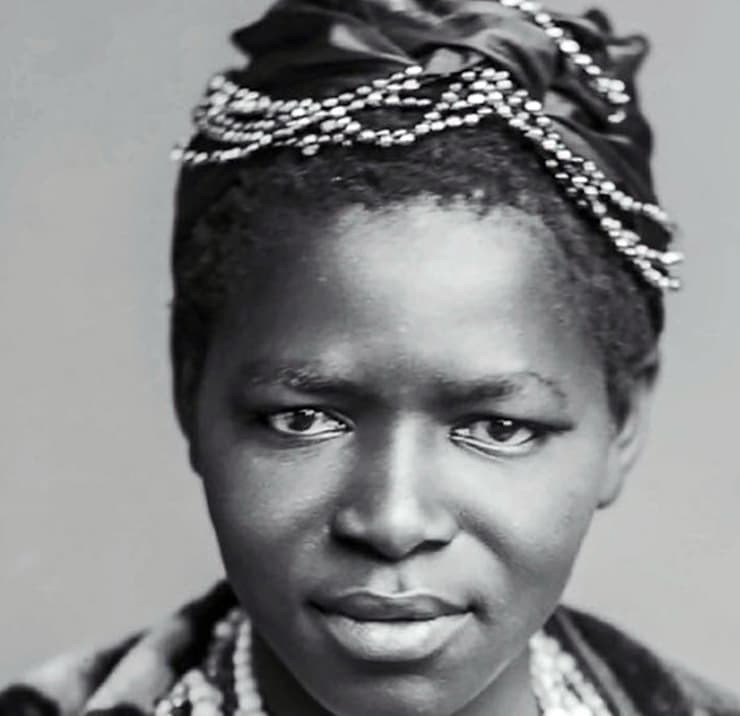
South African · Politics · Activism
Charlotte Maxeke
April 7, 1871 – October 16, 1939
Early Life and Background
Charlotte Maxeke, née Mmakgomo Mannya, was born on April 7, 1871, in Fort Beaufort, Eastern Cape, South Africa. Raised in a politically-aware family, she was immersed in grassroots movements from an early age. Her parents were Christians, and her father was a lay preacher. This foundational faith and commitment to social justice influenced her life's work.
Maxeke attended indigenous schools run by African missionaries before earning a scholarship to study at Wilberforce University, Ohio, in the United States. There, she majored in music and education, ultimately becoming the first black South African woman to graduate with a Bachelor of Science degree in 1903.
Career Beginnings and Development
After returning to South Africa, Maxeke worked alongside her husband, Marshall Maxeke, establishing the Wilberforce Institute in Evaton to provide primary and secondary education to African children. They faced systemic barriers of discrimination and limited resources yet managed to develop a curriculum integrating African culture within traditional western education paradigms.
Major Works, Discoveries, and Accomplishments
Maxeke was deeply involved in political activism. In 1918, she founded the Bantu Women's League, a precursor to the African National Congress Women's League. This organization championed women's rights, particularly opposing pass laws restricting the movement of African women. Her leadership style was marked by persistence and profound commitment to legislative change.
Awards, Honors, and Recognition
While her lifetime did not see institutional awards, Maxeke's legacy has been celebrated posthumously. In 2007, the South African government unveiled the Charlotte Maxeke Johannesburg Academic Hospital in her honor. Her influence on African feminist movements has been recognized globally.
Personal Life
Maxeke married Marshall Maxeke in 1903 after meeting him at Wilberforce University. Their partnership was both personal and professional, seeing them actively collaborate on numerous educational and social initiatives. They had no children.
Legacy and Historical Impact
The foundation laid by Charlotte Maxeke was instrumental in shaping the future discourse on women's rights and racial equality in South Africa. Her methodologies were adopted by subsequent generations, and she is often seen as a matron of African feminism. Maxeke's work was seminal in laying the groundwork for what would become the mass women's march against pass laws in 1956.
Later Life and Death
Despite her significant contributions, Maxeke's later life was marked by economic struggles, primarily due to the systemic exclusion of black South Africans from equal opportunities. She passed away on October 16, 1939. To this day, Charlotte Maxeke is remembered as one of South Africa’s most prolific women leaders, whose advocacy work continues to inspire.
Dated achievements
2 indexed.
- Apr071871Activism
Birth of Charlotte Maxeke
Charlotte Maxeke was born on April 7, 1871, in Fort Beaufort, South Africa.
View details South African History Online - Oct161939