← All women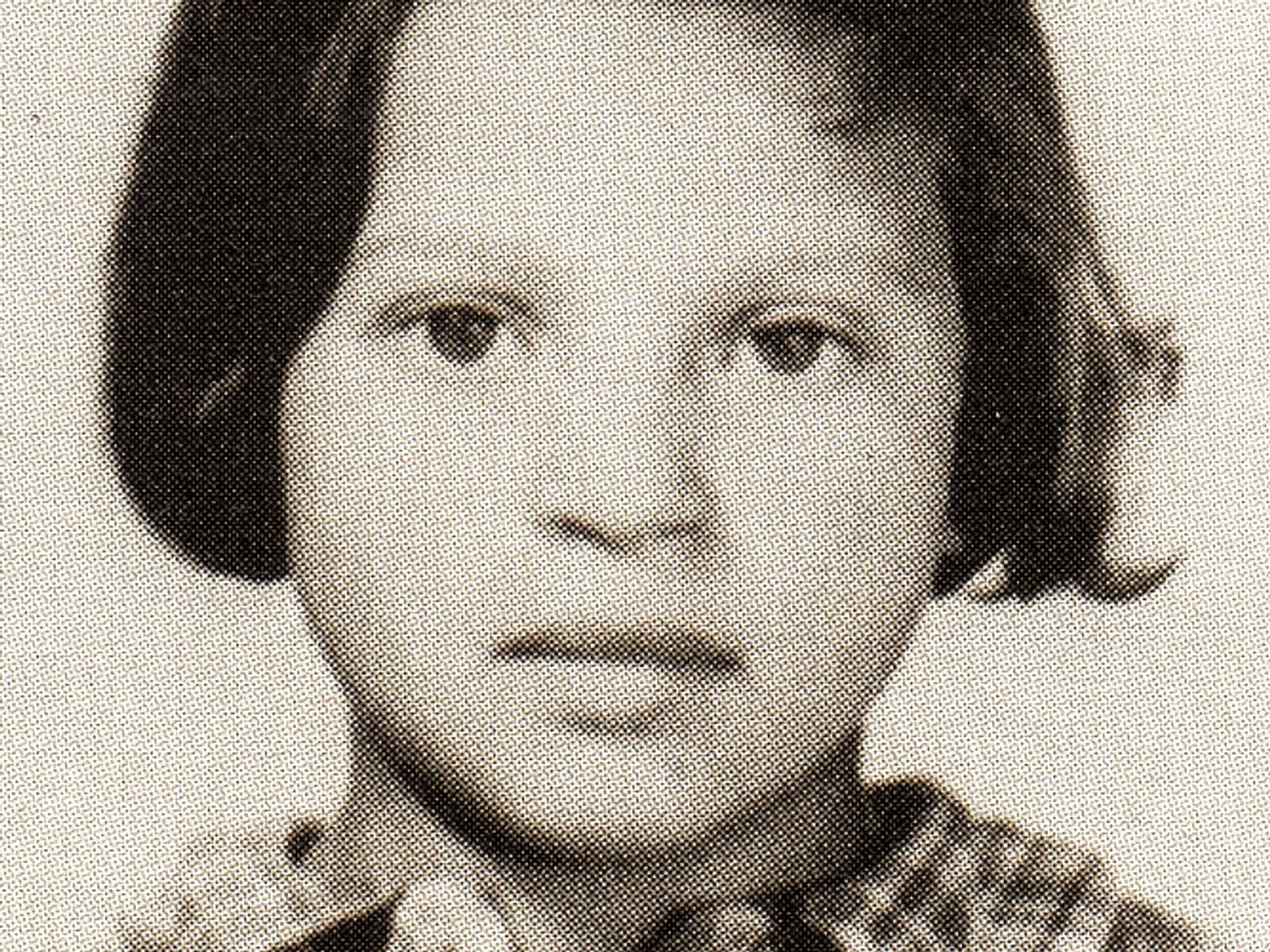
Austrian · Arts · Activism
Ceija Stojka
May 23, 1933 – January 28, 2013
Early Life and Background
Ceija Stojka was born on May 23, 1933, in Kraubath, Austria, into a Lovara Romani family. Her father, Karl Stojka, was a horse trader, while her mother, Maria, looked after the family. Ceija was one of six siblings. Growing up in Austria just before World War II, she experienced racial discrimination early in life.
When the Nazis annexed Austria, also known as the Anschluss, the Stojka family was soon targeted due to their Romani heritage. This marked the beginning of a horrific period for Ceija and her family.
Concentration Camp Experience
During the war, Ceija and parts of her family were sent to several concentration camps, including Auschwitz, Ravensbrück, and finally Bergen-Belsen. She was only 12 years old when she was liberated from Bergen-Belsen in 1945. The experiences left a profound impact on her and became a central theme in her later work.
Career Beginnings and Development
Ceija's post-war life was initially marked by a struggle for survival and adaptation as Austria slowly rebuilt itself. It wasn't until the 1980s that she began to publicly speak about her experiences during the Holocaust. Soon after, she started to express her memories and feelings through art—painting, drawing, and storytelling. Her vibrant and evocative works began to gain recognition for their powerful conveyance of survival and the Romani Holocaust.
Major Works and Accomplishments
Ceija published several autobiographical books detailing her experiences and reflecting on broader issues of identity and memory. In art, she became well known for her paintings, which depict scenes from her childhood, camp life, and visions of darkness and hope. Exhibitions of her work were held in several countries, significantly contributing to awareness around both the Romani genocide and the broadly shared human tragedy of the Holocaust.
Recognition and Legacy
Throughout her career, Stojka gained recognition and numerous accolades for her contributions to Holocaust remembrance. Her exhibitions and publications significantly expanded knowledge on the Romani experience during World War II. She is regarded not only as a crucial artist but also as an important figure in advocacy for Romani rights and a living testimony of perseverance and survival.
Personal Life
Ceija Stojka lived most of her post-liberation life in Vienna, Austria. She married and had children, establishing a family that continues to promote her legacy and artwork.
Later Life and Death
Ceija Stojka continued to create art and speak about her experiences until her passing on January 28, 2013, in Vienna. Her works have been preserved by various museums, ensuring that her unique perspective on history continues to educate and resonate with audiences around the world.
Through her talent and resilience, Ceija Stojka left an indelible mark on art and Holocaust memory, using her personal story to foster understanding and compassion.
Dated achievements
1 indexed.
- May231933Activism
Birth of Ceija Stojka
Ceija Stojka was born on May 23, 1933, in Kraubath, Austria.
View details United States Holocaust Memorial Museum - Ceija Stojka