← All women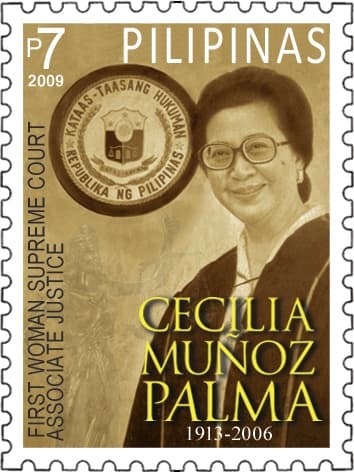
Filipino · Law · Politics · Activism
Cecilia Muñoz-Palma
November 22, 1913 – January 2, 2006
Early Life and Background
Cecilia Muñoz-Palma was born on November 22, 1913, in Bauan, Batangas, Philippines, to a prominent family. Her father, Anselmo Muñoz, was a scholar and civil servant, while her mother, Emiliana Palma, was known for her intelligence and social awareness. Growing up in an intellectually stimulating environment, Muñoz-Palma developed a keen interest in social justice and law.
She pursued higher education at the University of the Philippines, where she earned her Bachelor of Laws degree in 1939. Her academic prowess and dedication to law propelled her to pass the Philippine Bar Examinations shortly thereafter.
Career Beginnings and Development
Muñoz-Palma began her career during a time when the legal field was predominantly male. She broke barriers as the first woman to serve as a fiscal in the city of Rizal and subsequently took up a judgeship. Her early years in the judiciary were marked by a commitment to fairness and judicial independence.
Major Works and Accomplishments
Her groundbreaking appointment as the first female Associate Justice of the Philippine Supreme Court came in 1973, amidst the country's Martial Law period. Despite the political climate, she displayed integrity and fearlessness, opposing unconstitutional decrees and advocating for justice and equality.
After retiring from the Supreme Court in 1978, she played a pivotal role in the People Power Revolution of 1986. Her contributions as President of the Constitutional Commission were instrumental in framing the 1987 Constitution, ensuring the protection of civil liberties and human rights.
Awards, Honors, and Recognition
Cecilia Muñoz-Palma earned numerous accolades for her service. Notably, she received recognition for her trailblazing influence on women in law and her unwavering stand against authoritarianism, which inspired future generations of lawyers and activists.
Personal Life
Muñoz-Palma married lawyer Julio Palma in 1944. The couple had a supportive partnership, wherein Palma encouraged Cecilia's ambitious pursuits and shared her civic ideals. Their marriage was marked by mutual respect and dedication to family and public service.
Legacy and Historical Impact
Her career is remembered for advancing women's roles within the judiciary and contributing significantly to the democratization processes in the Philippines. In recognition of her legacy, the Justice Cecilia Muñoz-Palma Foundation was established to continue advocating for constitutional rights and justice.
Later Life and Death
In her later years, Cecilia remained engaged with civic activities, advising political leaders and inspiring young Filipinos to uphold democratic values. She passed away on January 2, 2006, leaving behind an enduring legacy of courage and commitment to justice.
Dated achievements
2 indexed.
- Nov221913Law
Birth of Cecilia Muñoz-Palma
Cecilia Muñoz-Palma was born on November 22, 1913, in Bauan, Batangas.
View details Today in Philippine History, November 22, 1913: Cecilia Muñoz-Palma was born in Bauan, Batangas - Jan022006