← All women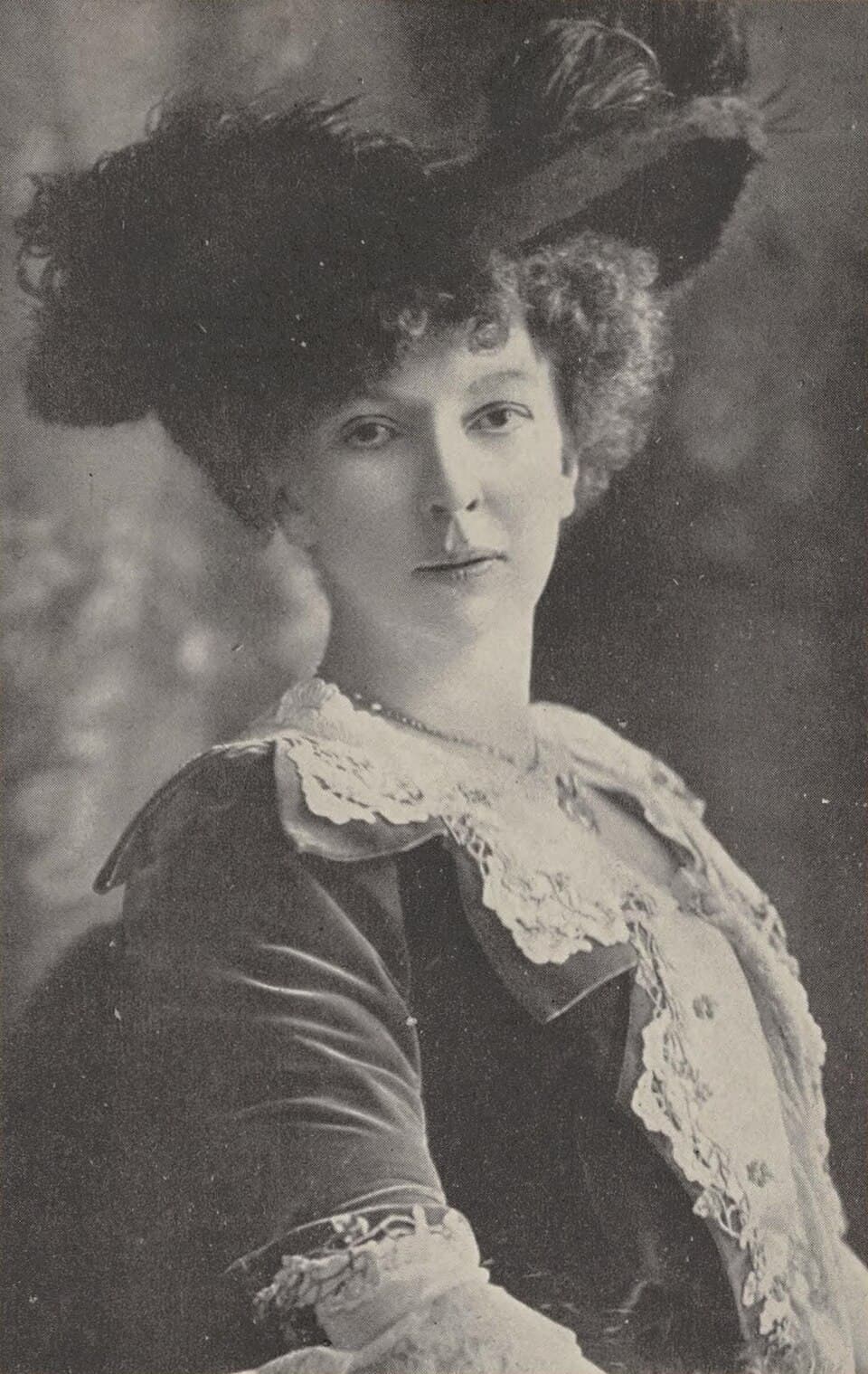
French · Arts
Cécile Chaminade
August 8, 1857 – April 13, 1944
Early Life and Background
Cécile Louise Stéphanie Chaminade was born on August 8, 1857, in Paris, France, into a family with a rich musical tradition. Her formative years were deeply influenced by her family's musical prowess, particularly her mother, who was a proficient pianist and singer. Chaminade displayed musical talent at an early age and composed her first pieces around the age of eight. She received her education in music privately, studying composition with Benjamin Godard, piano with Félix Le Couppey, and violin with Jean-Baptiste Martin.
Career Beginnings and Development
Chaminade's career began in earnest during the 1870s, a time when female composers were a rarity in the classical music scene. At the age of 18, she held her first public performance, featuring her own compositions. Her works gained the attention of notables such as Bizet, who reportedly commented on her exceptional talent. Chaminade's compositions covered a breadth of genres, including opera, choral, orchestral works, and notably, piano music which gained her much acclaim.
Major Works and Accomplishments
By the 1880s, Chaminade was celebrated across Europe. Her 'Suite d'orchestre', premiered in 1888, and her subsequent piano compositions such as the virtuosic concertino for flute and her piano miniatures, particularly 'Scarf Dance' and 'Automne', fortified her reputation. Noteworthy was her concert tour of the United States in 1908, which culminated in an honorary membership at the Philadelphia Musical Academy—acknowledging her contribution to the field as a female composer.
Awards, Honors, and Recognition
Due to her overwhelming popularity and the quality of her compositions, Cécile Chaminade was awarded the Legion of Honour in 1913, the first time a female composer received this French distinction. This recognition was a testament to her influence and pioneering spirit in a domain traditionally dominated by men.
Personal Life
In her personal life, Chaminade maintained a strong focus on her career and it was only later in life that she married Louis-Mathieu Carbonel in 1901. The marriage was childless. Despite facing gender-based societal barriers, she remained committed to her art throughout her life.
Legacy and Historical Impact
Cécile Chaminade's legacy is particularly significant in the context of women’s roles in classical music. In an era of deep-seated gender biases, her successful career demonstrated the potential for women musicians to excel and be celebrated worldwide. Her music, often considered lyrical and expressive, offered a unique voice to the French Romantic tradition.
Later Life and Death
Chaminade's later years were spent in relative seclusion, resulting from the impact of World War I which greatly affected her health and the public's general interest in her music. She passed away on April 13, 1944, in Monaco. Her compositions, however, continue to be performed and appreciated, ensuring her position as a pioneering figure in music history.
Dated achievements
2 indexed.
- Aug081857Arts
Birth of Cécile Chaminade
Cécile Chaminade was born on August 8, 1857 in Paris, France.
View details Cécile Chaminade - Encyclopaedia Britannica - Apr131944Arts
Death of Cécile Chaminade
Cécile Chaminade died on April 13, 1944, in Monte Carlo, Monaco.
View details