← All women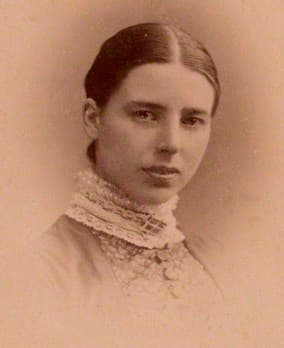
British · Politics · Activism
Catherine Courtney
April 4, 1847 – February 26, 1929
Early Life and Background
Catherine Potter, known as Lady Courtney of Penwith, was born on April 4, 1847, in Kenilworth, Warwickshire. She came from a prosperous family, with her father being a successful businessman. Her upbringing was marked by a strong emphasis on education and social responsibility, inculcated by her family’s liberal values.
After receiving a rigorous education, Catherine's world view was shaped by the political and social milieu of Victorian England. Her marriage to Leonard Courtney, a prominent Liberal politician, further immersed her into the world of politics and reform.
Career Beginnings and Development
Catherine Courtney began her career deeply involved in the social issues of her time. Her early work was marked by participation in various educational and social reform initiatives. Catherine took a particular interest in improving educational opportunities for women, advocating for reforms to allow greater access to higher education.
Her involvement grew as she became an important voice in the campaigns against imperialism and for peace. Her views often put her at odds with prevailing sentiments, exemplifying her courage and dedication to her principles.
Major Works, Discoveries, or Accomplishments
Courtney's activism was most noted in her intense work towards peace and reconciliation, particularly around the time of the South African War. She was a leading figure in the South Africa Conciliation Committee, working tirelessly to find a peaceful resolution to the Boer War.
Beyond her peace work, she was an early advocate for the Women's International League for Peace and Freedom, underpinning her commitment to global human rights and gender equality. The depth and impact of her work garnered significant attention, propelling her as key figure in the peace movement.
Awards, Honors, and Recognition
While not adorned with formal titles or awards to the extent of some of her contemporaries, her elevation to Baroness Courtney of Penwith reflected the widespread respect and recognition she commanded for her tireless effort and activism.
Personal Life
Her marriage to Leonard Courtney, later Baron Courtney of Penwith, was a partnership that enabled her greater influence within political circles. Their relationship was built on mutual respect and shared ideals, aiding her pursuits in social and political reform.
Legacy and Historical Impact
Catherine Courtney's legacy lies in her unwavering stance on issues of peace and her dedication to education reform. Her activities helped shape public discourse on these topics and encouraged subsequent generations of activists and reformers. Her contribution to the feminist and peace movements is a testament to her foresight and determination in overcoming the social limitations of her time.
Later Life and Death
Catherine Courtney continued her activism well into her later years, maintaining influence as a thinker and reformer. She passed away on February 26, 1929, leaving behind a legacy of advocacy and reform. Her life's work remained a testament to the rewards of courage, conviction, and tireless advocacy.
Dated achievements
2 indexed.
- May301847Activism
Born Catherine Potter in London
Catherine Potter was born on 30 May 1847 in London, into the large and influential Potter family, sister of social reformer Beatrice Webb.
View details Catherine Courtney, Baroness Courtney of Penwith - Wikipedia - Feb091929