← All women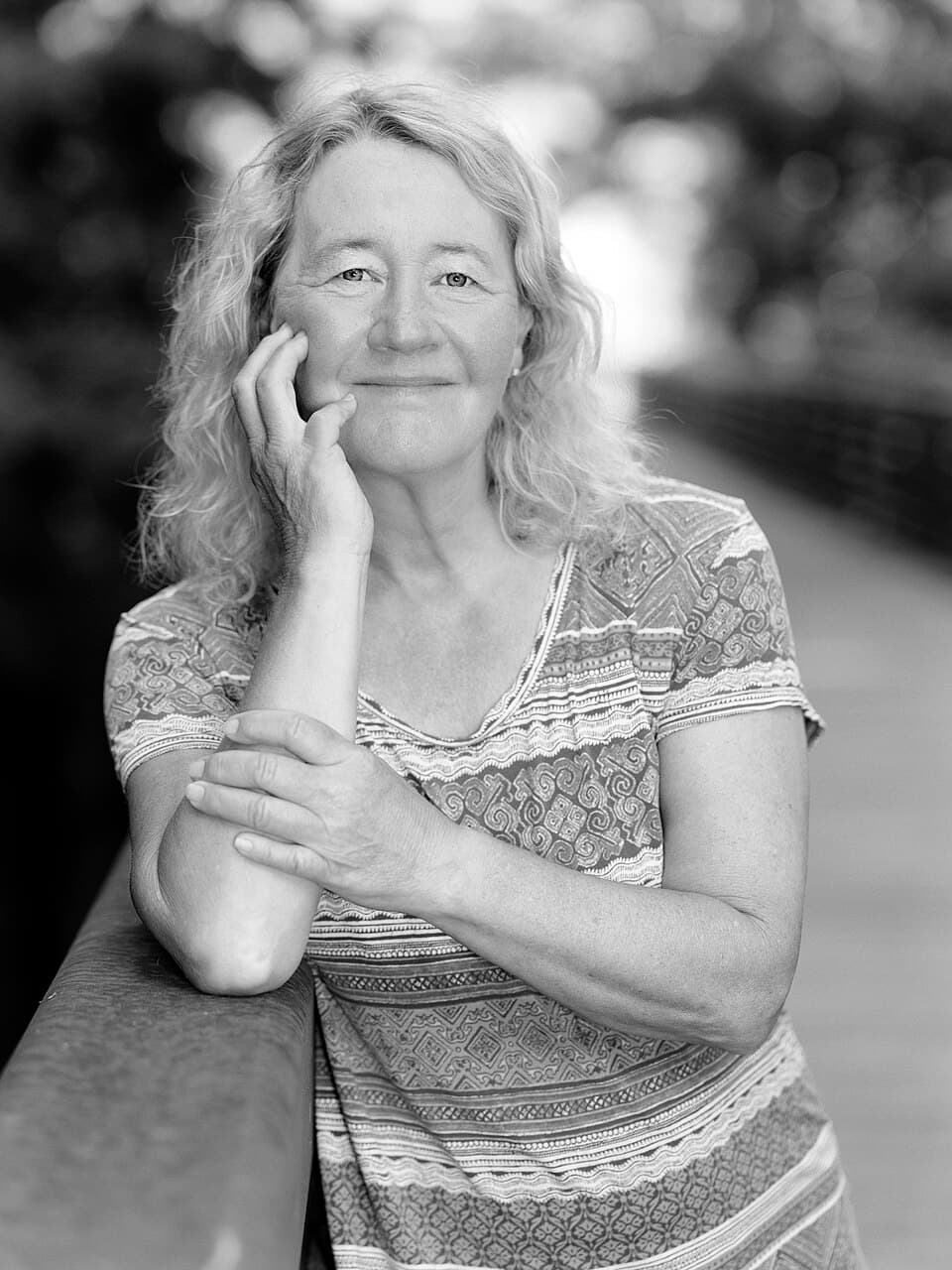
American · Science · Medicine
Carolyn Greider
April 15, 1961 – present
Early Life and Background
Carolyn Widney "Carol" Greider was born on 15 April 1961, in San Diego, California, into a family deeply rooted in science. Both of her parents held doctorates: her father, Kenneth Greider, was a physicist, and her mother, Jean Foley Greider, a biologist who later turned to sculpture. Growing up in this intellectually rich household gave her early exposure to scientific thinking and the idea that research was a viable life path.
Greider’s childhood, however, was not straightforward. She struggled in school with reading and spelling and was eventually recognized as having dyslexia. Later interviews and biographical essays emphasize how these learning difficulties affected her confidence but also fostered habits of persistence, creative problem-solving, and a preference for hands-on experimentation rather than rote memorization. Instead of deterring her from science, the challenges shaped her determination to find her own route into the field.
Her mother died when Carol was a teenager, a loss that marked her adolescence and influenced the independence and resilience that would characterize her later career. Growing up in Southern California during the 1960s and 1970s, she came of age in an era when women were still significantly underrepresented in scientific careers, particularly in the physical and biological sciences. Yet the combination of a scientific family background and her own determination led her toward university study in biology.
Education and Formative Influences
Greider enrolled at the University of California, Santa Barbara (UCSB), in the College of Creative Studies (CCS), an experimental college designed to give motivated students unusually early and direct access to research. She specialized in biology and completed a B.A. in Biology in 1983 through CCS’s intensive, research-centered curriculum. This environment—less rigidly structured than traditional programs, and more focused on creative inquiry—suited her learning style and gave her valuable laboratory experience.
At UCSB she gravitated toward experimental work, developing skills in bench techniques and data interpretation that compensated for the difficulties she sometimes faced in lecture-heavy environments. Mentors at CCS encouraged her to pursue graduate study, recognizing both her experimental aptitude and her persistence. The combination of a supportive, flexible undergraduate program and her own resilience prepared her for the challenges of elite graduate training.
After graduating in 1983, Greider entered the Ph.D. program in Molecular Biology at the University of California, Berkeley. There she joined the laboratory of Elizabeth H. Blackburn, who was then studying the enigmatic ends of chromosomes—structures called telomeres—in the ciliate Tetrahymena thermophila. Blackburn’s lab was an ideal match for a student eager to explore fundamental questions in chromosome biology using creative biochemical approaches.
Graduate Work and the Discovery of Telomerase
At Berkeley, Greider began her graduate work in 1984, at a time when the mechanisms of telomere maintenance were poorly understood. Telomeres were known to consist of short repeated DNA sequences at chromosome ends, and theoretical work had highlighted a “end-replication problem”: conventional DNA polymerases could not fully replicate the very ends of linear DNA molecules. Biologists speculated that an unknown mechanism must extend these ends, but no such activity had been demonstrated.
Blackburn suggested to Greider that she search for an enzymatic activity in Tetrahymena extracts that might add telomeric repeats to DNA. The project was risky; many regarded it as unlikely to succeed. Greider, undeterred, designed biochemical assays in which she incubated DNA substrates with cellular extracts and then analyzed the products using polyacrylamide gels.
On 25 December 1984, while continuing her experiments over the Christmas holiday, Greider observed clear evidence of a novel enzymatic activity that added telomeric repeats to DNA substrates. This activity—later named telomerase—provided the first biochemical solution to the end-replication problem, showing that a specialized enzyme elongates chromosome termini. Her early results were met with some skepticism, but repeated experiments confirmed the finding.
Over the next several years, Greider and Blackburn refined their assays and dissected the properties of the new enzyme. They showed that the activity could add tandem repeats and that it recognized telomeric sequence features. Greider’s dissertation work would prove central not only to establishing the existence of telomerase but also to characterizing its components.
In 1987, Greider received her Ph.D. in Molecular Biology from UC Berkeley. Her thesis focused on telomere function and the biochemical characterization of telomerase, setting a new direction for research on chromosome ends.
Early Career at Cold Spring Harbor Laboratory
After completing her doctorate, Greider moved in 1988 to Cold Spring Harbor Laboratory (CSHL) in New York, a historic center for molecular biology, as an independent Cold Spring Harbor Fellow. This appointment gave her an unusual level of independence early in her career, allowing her to build her own research program focused on telomeres and telomerase.
At CSHL she and her group cloned and characterized the RNA component of telomerase, demonstrating that it contains an internal template sequence that directs the addition of specific telomeric repeats. This work culminated in a landmark paper in Nature, published on 19 January 1989, co-authored with Blackburn. The article showed that the telomerase RNA component in Tetrahymena carries a template region complementary to the telomeric DNA repeats, firmly establishing telomerase as a ribonucleoprotein enzyme that uses its own RNA to extend chromosome ends.
During these years, Greider continued to investigate telomerase in both ciliates and yeast, helping to define how telomere length is regulated and how defects in telomere maintenance can lead to genome instability. Her research contributed to a growing recognition that telomeres and telomerase are critical not just in single-celled organisms but also in mammalian systems, including humans.
Greider remained at CSHL as a senior staff investigator until the late 1990s. Her work there solidified her reputation as a leader in telomere biology and influenced a generation of researchers who trained in or visited the institution. CSHL’s culture of rigorous experimentation and collaboration provided an ideal setting for the rapid development of telomerase research.
Research at Johns Hopkins University
In the late 1990s, Greider joined the faculty of the Johns Hopkins University School of Medicine, in the Department of Molecular Biology and Genetics. At Johns Hopkins she expanded her research to mammalian systems and human disease, exploring how telomere dynamics intersect with cancer, aging, and inherited disorders.
Her group used genetically engineered mouse models to study the consequences of telomerase deficiency, showing that critically short telomeres can trigger DNA damage responses, limit cell proliferation, and contribute to degenerative pathologies. In 2003, she and her colleagues demonstrated that short telomeres elicit a DNA damage response in yeast, clarifying the link between telomere erosion and genome instability—an insight with implications for aging and oncogenesis.
At Johns Hopkins, Greider rose through the academic ranks and eventually served as Professor and Director of Molecular Biology and Genetics. She later became a Bloomberg Distinguished Professor and Daniel Nathans Professor, appointments that recognize cross-disciplinary impact and outstanding contributions to biomedical research. Her laboratory continued to investigate telomere length regulation, the role of telomerase in stem cells and cancer, and the genetic basis of human telomere biology disorders.
Major Scientific Contributions
Greider’s scientific legacy centers on her contributions to understanding telomeres and telomerase, but it spans several distinct advances:
- Discovery of telomerase (1984): As a graduate student, she identified the enzymatic activity that extends telomeric DNA, providing a biochemical mechanism for the maintenance of chromosome ends.
- Biochemical characterization of telomerase (mid-1980s): Her early work established the basic properties of the enzyme, including its substrate specificity and role in generating tandem repeats.
- Identification and analysis of telomerase RNA (late 1980s): Through work at Berkeley and CSHL, she helped demonstrate that telomerase contains an RNA template used for telomere synthesis, a concept formalized in the 1989 Nature paper.
- Genetic studies of telomere maintenance: Using yeast and mouse models, her lab delineated how telomere length is regulated and how aberrant telomeres activate DNA damage responses.
- Links to human disease: Greider’s group and collaborators linked telomerase mutations and telomere dysfunction to specific human disorders, including bone-marrow failure syndromes and certain pulmonary and liver diseases, as well as to cancer susceptibility and age-related decline.
Collectively, these contributions transformed telomere biology from a niche topic in chromosome structure to a central field with direct implications for medicine. Her work helped frame telomerase as both a potential therapeutic target in cancer—where many tumors upregulate the enzyme—and a key factor in degenerative diseases linked to telomere shortening.
Awards, Honors, and Recognition
Greider’s achievements have been recognized with numerous high-profile awards. Among the most prominent is the Albert Lasker Award for Basic Medical Research, which she received on 29 September 2006 alongside Elizabeth Blackburn and Jack W. Szostak. The Lasker Foundation honored their discovery of telomerase and their elucidation of how telomeres protect chromosome ends, marking telomere biology as a major pillar of modern molecular medicine.
In 2006, Greider also became the first woman to receive the Wiley Prize in Biomedical Sciences, a distinction that signaled both the originality of her work and a gradual shift in the gender balance of major biomedical honors. The prize recognized her pioneering role in identifying and characterizing telomerase and in opening an entirely new field of research.
On 14 March 2009, she received the Paul Ehrlich and Ludwig Darmstaedter Prize in Frankfurt am Main, sharing the honor with Blackburn for their telomere and telomerase discoveries. This European award emphasized the global impact of their research and its relevance to clinical medicine.
The most widely known recognition of Greider’s work came later in 2009. On 5 October 2009, the Nobel Assembly at the Karolinska Institutet announced that Greider, Blackburn, and Szostak had been awarded the Nobel Prize in Physiology or Medicine for the discovery of how chromosomes are protected by telomeres and telomerase. At the Nobel Prize Award Ceremony on 10 December 2009 in Stockholm, she formally received the medal and diploma. At age 48, she was noted as the youngest woman Nobel laureate in Physiology or Medicine up to that time.
Greider has also been elected to several prestigious academies and societies, including the National Academy of Sciences and the American Academy of Arts and Sciences, and she has received additional honors such as the Louisa Gross Horwitz Prize and honorary degrees from multiple institutions. These recognitions reflect both her specific discoveries and her broader influence on modern molecular and cellular biology.
Personal Life
Greider has been open about aspects of her personal life that intersect with her scientific identity, particularly her experiences with dyslexia. Profiles produced by educational and advocacy organizations have highlighted how she developed strategies to manage reading difficulties, such as relying heavily on lab notebooks, diagrams, and experimental work rather than text-based learning alone. She has spoken publicly about the importance of recognizing different learning styles and supporting students who do not fit conventional academic molds.
She has also balanced her research career with family life. Biographical sources note that she has children and has navigated the logistical and cultural challenges of pursuing high-intensity laboratory science while raising a family. Her experience has informed her advocacy for policies that support work–life balance and make academic science more accessible and sustainable for parents, especially women.
Greider has frequently used her platform as a Nobel laureate to speak on broader issues in science, including funding for basic research, the value of curiosity-driven inquiry, and the need to address structural barriers that limit diversity in STEM fields. Her personal narrative—combining learning differences, family responsibilities, and scientific success—has made her a powerful role model for students and early-career scientists.
Legacy and Historical Impact
From the perspective of the history of science, Greider’s work reshaped fundamental understanding of chromosome biology. Before her experiments, telomeres were recognized as structural features whose maintenance was mysterious; after her discovery of telomerase and the subsequent characterization of its components, telomere biology emerged as a coherent field with far-reaching implications.
Her research showed that telomere length is a dynamic, regulated property of cells, influenced by telomerase and other factors, and that critically short telomeres can induce cellular senescence or apoptosis through DNA damage pathways. These insights have been fundamental to modern theories of aging and have strongly influenced research on stem cells and regenerative medicine. In oncology, the realization that most cancers reactivate telomerase to achieve limitless replication has driven intensive efforts to develop telomerase-based diagnostics and therapies.
Beyond her scientific contributions, Greider’s career has significant symbolic importance. As a woman who became a leading figure in molecular biology and a Nobel laureate at a relatively young age, she has challenged stereotypes about who can be a "great scientist." Her candid discussion of dyslexia has broadened ideas about what kinds of cognitive profiles can succeed in high-level research. For historians of women in science, she represents a later twentieth-century and early twenty-first-century generation who benefited from earlier feminist gains but still faced substantial structural obstacles.
Her leadership roles—as a department director, distinguished professor, and member of elite scientific bodies—have also given her influence over institutional cultures, including hiring, mentoring, and evaluation practices. Through these roles, she has contributed to gradual changes in how scientific talent is recognized and nurtured.
Later Career and Ongoing Work
Following the Nobel Prize, Greider continued her active research program, expanding studies on telomere biology into new areas and collaborating widely across disciplines. She has remained engaged in training graduate students and postdoctoral fellows, many of whom have gone on to establish their own laboratories in telomere and genome maintenance research.
She later took up a position as a Distinguished Professor of Molecular, Cell, and Developmental Biology at the University of California, Santa Cruz, reflecting both her enduring ties to the University of California system and her continued leadership in molecular biology. In this role, she has participated in shaping curricula and research priorities that integrate basic chromosome biology with broader questions in development and disease.
As of the mid-2020s, Greider remains an influential figure in the scientific community—active in research, mentorship, and public discourse. Her work continues to inform strategies for targeting telomerase in cancer, diagnosing telomere biology disorders, and understanding the molecular basis of aging. The trajectory from her Christmas Day discovery in 1984 to the global impact of telomere research underscores the enduring value of curiosity-driven science and the contributions of women who have persisted in fields where they were historically marginalized.
Historical Significance in Women’s History
In the context of women’s history, Carol Greider’s career exemplifies the expanding, yet still contested, role of women in high-profile scientific research. She is part of a small but growing group of women recognized with the Nobel Prize in the sciences, and her status as the youngest woman Nobel laureate in Physiology or Medicine at the time of her award is an important marker of changing patterns in recognition.
Her story illustrates several themes that historians track in the evolution of women’s participation in science: the importance of early exposure to scientific careers; the impact of flexible, research-oriented educational programs; the persistence required to overcome both personal challenges such as dyslexia and structural barriers in male-dominated fields; and the gradual opening of elite honors to women’s contributions. Her sustained emphasis on basic, curiosity-driven research underscores that transformative discoveries often arise from questions that may initially appear esoteric.
For students and researchers, especially women and people with learning differences, Greider’s life and work offer a powerful example of how unconventional paths can lead to groundbreaking science. Her legacy is not only the elucidation of telomerase and telomeres but also an expanded vision of who belongs at the forefront of molecular biology.
Dated achievements
11 indexed.
- Apr151961Science
Birth of Carol W. Greider
Carolyn Widney "Carol" Greider was born in San Diego, California, United States.
View details Wikipedia - Carol W. Greider - Jun011983Science
Completion of B.A. in Biology at UC Santa Barbara
Carol Greider received her B.A. in Biology from UC Santa Barbara in June 1983.
View details