← All women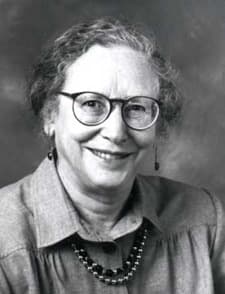
American · Literature · Activism
Carolyn Gold Heilbrun
January 13, 1926 – October 9, 2003
Early Life and Background
Carolyn Gold Heilbrun was born on January 13, 1926, in East Orange, New Jersey. Raised in a Jewish household, she was influenced by her parents' emphasis on education and intellectual achievement. Heilbrun attended Wellesley College, where she graduated with a Bachelor of Arts degree in 1947. She then pursued her graduate studies at Columbia University, earning a Master of Arts in 1951 and a Ph.D. in English in 1959.
Career Beginnings and Development
Heilbrun began her academic career at Brooklyn College in 1960 before joining the faculty of Columbia University in 1963. At Columbia, she eventually became the first woman to receive tenure in the English department, a significant achievement in a male-dominated academic environment of the time. Her scholarly work focused on themes in British literature, and she became a noted expert on Virginia Woolf and modern feminist literary criticism.
Major Works and Accomplishments
Carolyn Gold Heilbrun is perhaps best known for her series of mystery novels published under the pseudonym Amanda Cross. The series featured protagonist Kate Fansler, an English professor with a flair for solving crimes, reflecting Heilbrun's own interests and challenges as a woman in academia. Her first novel, "In the Last Analysis," was published in 1964, marking the beginning of a successful writing career that spanned 14 novels.
Beyond fiction, Heilbrun made substantial contributions to feminist literary criticism. Her 1973 book, "Toward a Recognition of Androgyny," challenged traditional gender roles and advocated for a more inclusive understanding of androgyny in literature and society. She also wrote "The Last Gift of Time: Life Beyond Sixty" in 1997, which explored experiences and challenges of aging as a feminist.
Awards and Recognition
Heilbrun's work earned her various accolades. She received the Guggenheim Fellowship in 1966, recognizing her outstanding contribution to literary studies. Her novels and scholarly works continued to influence generations of readers and scholars long after her retirement.
Personal Life
In 1945, Carolyn married James Heilbrun, with whom she had three children. Her marriage and family life were often integrated into her writing, providing insights into the balancing act between professional commitments and personal relationships.
Legacy and Impact
Carolyn Gold Heilbrun's influence extends far beyond her mystery novels and scholarly texts. She was a trailblazer for women in academia, paving the way for future generations. Her involvement in the feminist movement and her challenges against the patriarchal structures within universities were both pioneering and empowering to many.
Later Life and Death
In her later years, Heilbrun continued to write and speak about feminism and literature. She openly discussed aging and the societal perceptions of women over sixty. On October 9, 2003, she passed away in New York City, leaving behind a legacy of literary achievement and feminist advocacy.
Dated achievements
2 indexed.
- Jan131926Literature
Birth of Carolyn Gold Heilbrun
Carolyn Gold Heilbrun was born on January 13, 1926, in New Jersey.
View details Wikipedia: Carolyn Gold Heilbrun - Oct092003Literature
Death of Carolyn Gold Heilbrun
Carolyn Gold Heilbrun passed away on October 9, 2003, in New York City.
View details