← All women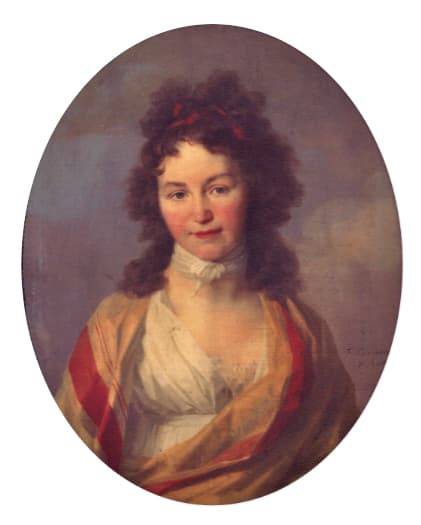
German · Literature
Caroline Schelling
September 2, 1763 – September 7, 1809
Early Life and Background
Caroline Schelling, born Caroline Michaelis on September 2, 1763, in Göttingen, Holy Roman Empire (now Germany), was the daughter of Johann David Michaelis, a renowned professor of Oriental studies. Growing up in an intellectually stimulating environment, Caroline developed a passion for literature and philosophy, influenced deeply by her father's scholarly pursuits.
Her education was informal yet rich, driven by her voracious reading habits and participation in discussions with scholars who visited her family home. This upbringing laid the foundation for her later involvement in German Romanticism, setting the stage for her influence over some of the movement's leading figures.
Career Beginnings and Development
Caroline’s intellectual prowess became evident as she engaged in correspondences with prominent writers and philosophers. Marriage to notable figures such as Friedrich Wilhelm Joseph Schelling further amplified her standing in the literary community. She was a key figure in literary salons, which were instrumental in disseminating Romanticist ideas, and contributed significantly to the editorial efforts of publications like the Allgemeine Literatur-Zeitung.
Major Works and Contributions
Though she did not pen extensive individual works, Caroline's influence was profound through her editorial work and correspondences with key figures in Romanticism. Her collaborations with Friedrich Schiller and husband Friedrich Schelling were instrumental, yet her legacy resides chiefly in her role as a muse and intellectual partner, shaping the ideas and works of her contemporaries.
Personal Life
Caroline's personal life was as complex as her intellectual pursuits. She first married Johann Böhmer, a physician and philosopher, and after his death, she married Friedrich Schelling, a leading philosopher of the time. Her dynamic and sometimes tumultuous personal relationships fed into her reputation as an influential salonnière and a confidante in literary and philosophical circles.
Legacy and Historical Impact
Caroline Schelling’s impact is seen in the thriving German Romantic movement, greatly amplified by her associations with its leading figures. Her intellectual influence extended beyond her time, offering insights into the cultural and philosophical dialogues that shaped modern Western thought. She remains a celebrated figure in the history of German literature and philosophy.
Later Life and Death
Caroline Schelling passed away on September 7, 1809, in Maulbronn, Germany. Her death marked the closure of an era in German Romantic circles, but her intellectual contributions continued to resonate. Posthumously, her correspondences and notes have provided historians and literature enthusiasts with rich insights into the personal and philosophical dynamics of her period.
Dated achievements
2 indexed.
- Sep021763Literature
Birth of Caroline Schelling
Caroline Schelling was born on September 2, 1763, in Göttingen.
View details Caroline Schelling Biography - Sep071809Literature
Death of Caroline Schelling
Caroline Schelling died on September 7, 1809, in Maulbronn, Germany.
View details