← All women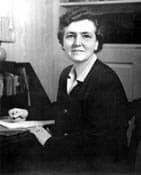
American · Literature
Carol Ryrie Brink
December 28, 1895 – August 15, 1981
Early Life and Background
Carol Ryrie Brink was born on December 28, 1895, in Moscow, Idaho. She was the only child of Alexander and Henrietta Ryrie. Tragedy struck early in Brink's life when her father died before she turned five, and her mother passed away when she was eight. This left Brink to be raised by her grandmother, Caddie Woodhouse Watkins, whose stories of pioneer life would later inspire Brink's most famous work. Brink's early education took place in Moscow, and her passion for literature was evident early on. She attended the University of Idaho and later transferred to the University of California, Berkeley, where she graduated in 1918 with a degree in English.
Career Beginnings and Development
Brink's literary career began in earnest after her marriage to Raymond W. Brink, a professor of mathematics, whom she met at the University of California. The couple's relocation to Minnesota exposed Brink to new influences and writing opportunities. She initially wrote short stories and serialized novels for magazines. Her debut book, "Anything Can Happen on the River," published in 1934, was followed by "Caddie Woodlawn" in 1935, a work destined for historical significance.
Major Works and Accomplishments
The publication of "Caddie Woodlawn" in 1935 marked a defining moment in Brink's career. Boasting a vivid portrayal of frontier life, the book won the Newbery Medal in 1936, propelling Brink to literary prominence. The novel's impact was amplified by its basis on her grandmother's recollections, providing a personal depth that resonated with readers. Brink expanded the story with a sequel, "Magical Melons" (Garden), published in 1939.
Awards and Recognition
Besides the Newbery Medal for "Caddie Woodlawn," Brink's accolades included the Lewis Carroll Shelf Award and the Children's Book Award from Child Study Association of America for "Baby Island" in 1937. Brink's ability to blend humor, warmth, and robust historical context earned her critical acclaim and a devoted readership.
Personal Life
Carol Ryrie Brink's personal life was deeply intertwined with her professional journey. She married Raymond W. Brink, sharing a lifelong partnership that blended academic and creative pursuits. They had two children, and Brink expertly balanced her family life with her writing endeavors.
Legacy and Historical Impact
Brink's legacy is anchored in her contribution to children's literature, creating timeless stories that continue to educate and entertain. "Caddie Woodlawn" remains a staple in educational curricula, fostering an appreciation for historical narratives among generations of young readers. Brink's storytelling offered a window into 19th-century frontier life, enriching historical understanding through accessible text.
Later Life and Death
In her later years, Brink continued to write, producing novels and stories for adults and children. She lived in various locations due to her husband's academic appointments but eventually returned to Idaho, where she continued her literary activities until her passing on August 15, 1981, in La Jolla, California. Brink's enduring influence remains evident through her books, which have been reprinted and translated into several languages, ensuring her stories reach new audiences.
Dated achievements
3 indexed.
- Dec281895Literature
Birth of Carol Ryrie Brink
Carol Ryrie Brink was born in Moscow, Idaho, on December 28, 1895.
View details Carol Ryrie Brink - Encyclopedia.com - Nov151935