← All women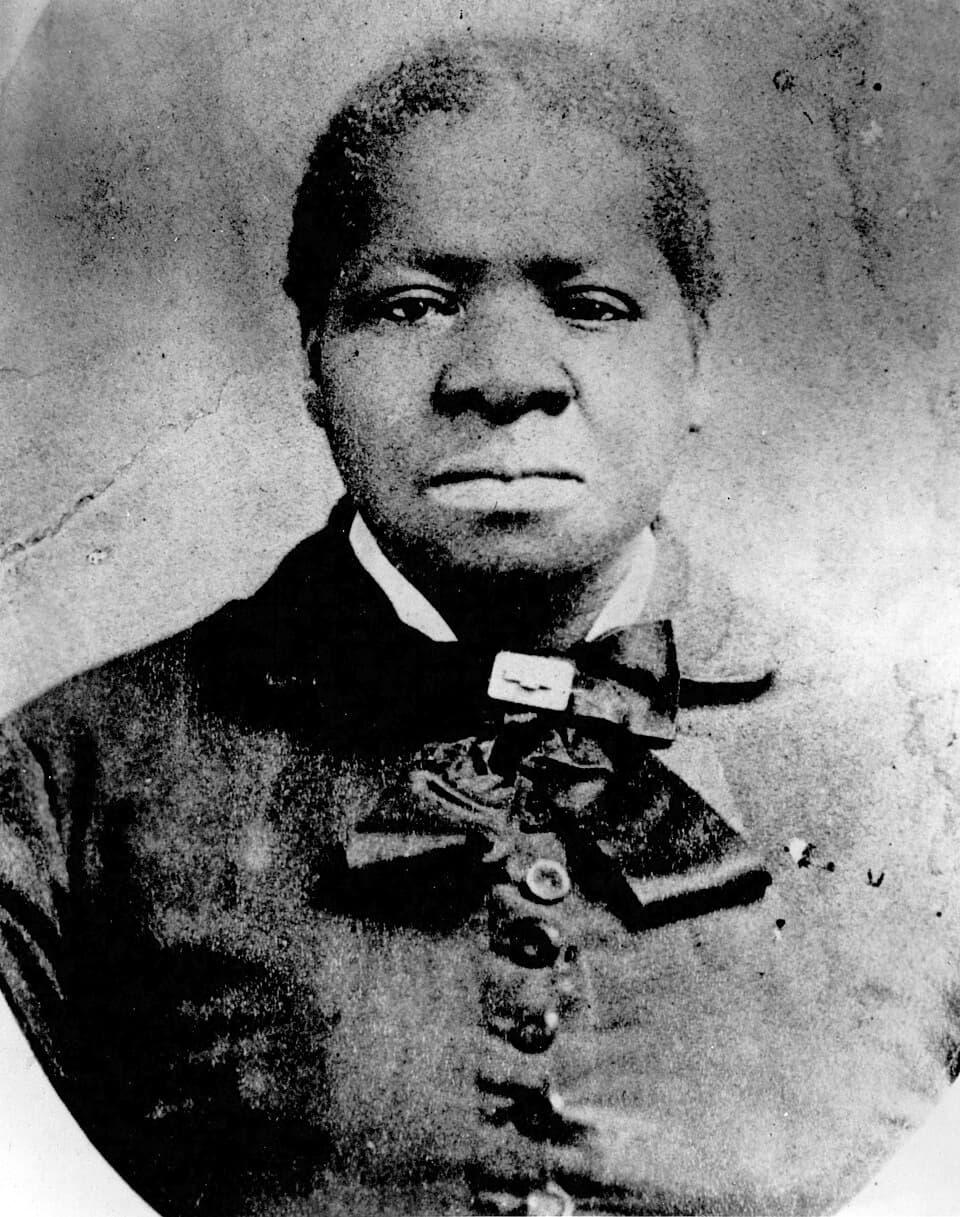
American · Activism · Politics
Bridget Mason
1818 – 1891
Early Life and Background
Born into slavery in 1818 in Hancock County, Georgia, Bridget "Biddy" Mason grew up in the deeply entrenched system of American slavery. Details of her early family life remain sparse, but she was owned by Robert Marion Smith and Rebecca Crosby-Dorvell, who forced her to relocate to Mississippi and later to Utah when Smith converted to Mormonism. Her skills as a midwife and herbal doctor made her invaluable, even while she remained enslaved.
Career Beginnings and Development
During her time in the enslaved community, Biddy Mason became adept in domestic skills, child-rearing, and traditional medicine. Her conversion to Christianity played a crucial role when she eventually moved with her owner to San Bernardino, California. In California, a free state, Biddy learned that she had the legal standing to challenge her bondage. In 1856, with the help of black and white community members, Biddy Mason successfully petitioned for her and her family's freedom.
Major Works, Discoveries, and Accomplishments
Upon gaining her freedom, Biddy Mason settled in Los Angeles where she worked as a nurse and midwife. Her earnings enabled her to invest in real estate, where she flourished, amassing a sizeable portfolio and becoming one of the first African-American women to own land in Los Angeles. In 1872, she founded the First African Methodist Episcopal Church, which was Los Angeles' first Black church and continues to be one of the most significant religious congregations in the city today.
Awards, Honors, and Recognition
Although Victorian America did not often celebrate the achievements of African-American women formally, Biddy's legacy is honored today in various ways. Her contributions to Los Angeles' real estate landscape and philanthropic endeavors helped pave the way for other African-American entrepreneurs and community leaders.
Personal Life
Biddy never married but had three daughters. Her family played an integral role in her business ventures and were active participants in Los Angeles' growing community. Her descendants continue to be influential figures in California.
Legacy and Historical Impact
Bridget "Biddy" Mason's legacy is one of remarkable resilience and community empowerment. Her success as an entrepreneur symbolizes the potential for economic independence within marginalized communities, and her efforts in healthcare, religion, and philanthropy have left an indelible mark on Los Angeles. Biddy Mason Park in downtown Los Angeles, a tribute to her, stands as an acknowledgment of her extraordinary accomplishments and contributions to society.
Later Life and Death
Biddy Mason lived a life of prosperity and gave back generously to those in need until her death in Los Angeles in 1891. Mason's life epitomizes the struggle and triumph over systemic barriers and serves as an inspiring narrative of liberation, courage, and foresight.
Dated achievements
1 indexed.
- Jan211856Activism
Biddy Mason Wins Freedom
Biddy Mason won her and her family's freedom in California in 1856.
View details Biddy Mason Memorial Park