← All women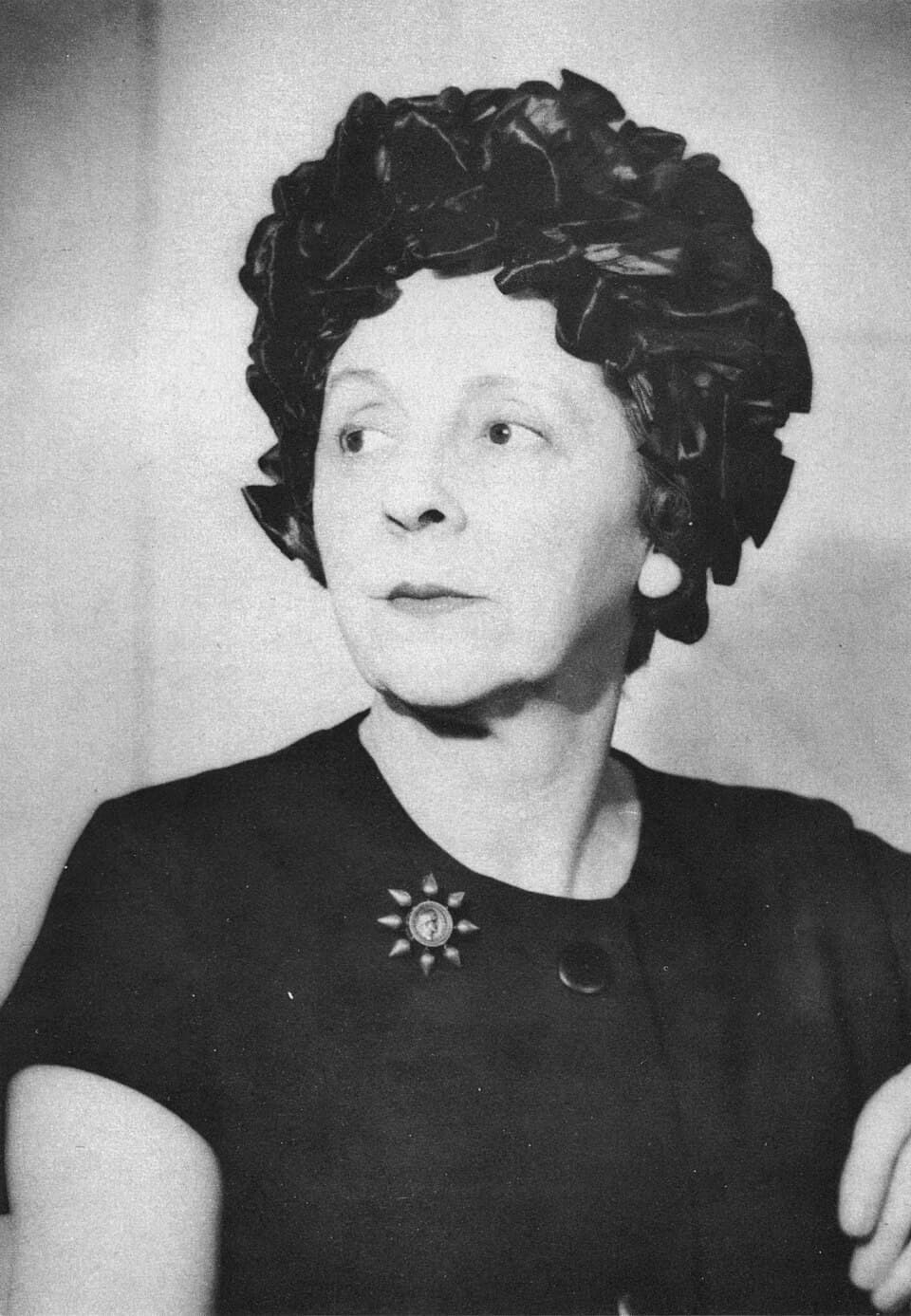
British · Arts
Bridget D'Oyly Carte
March 25, 1908 – May 1, 1985
Early Life and Background
Bridget D'Oyly Carte was born on March 25, 1908, into a family with a rich legacy in the operatic world. Her grandfather, Richard D'Oyly Carte, founded the D'Oyly Carte Opera Company in 1875 and constructed the Savoy Theatre in London, making significant contributions to the British theatrical scene. Bridget was thus immersed in the world of operatic arts from a young age, which deeply influenced her future career path. She was educated privately and spent considerable time attending performances and understanding the management of the arts.
Career Beginnings and Development
Bridget's career in the arts formally began when she joined the family company, the D'Oyly Carte Opera Company. She initially took on minor roles, learning the intricacies of opera production and management. In 1948, she took over the leadership of the company from her father, Rupert D'Oyly Carte, at a challenging time when the productions needed reinvigoration post-World War II.
Major Works, Discoveries, and Accomplishments
As the leader, Bridget D'Oyly Carte was instrumental in revitalizing the productions of Gilbert and Sullivan, the duo whose works had formed the foundation of the company. She oversaw the modernization of production techniques and performance styles, adapting the shows to the tastes of contemporary audiences. Under her leadership, the company toured extensively in the UK and internationally, spreading the legacy of Gilbert and Sullivan to new audiences. Bridget also played a crucial role in sound recording and television productions of the operas, ensuring their preservation and wider dissemination.
Awards, Honors, and Recognition
Although Bridget D'Oyly Carte did not receive prominent awards during her lifetime, her contribution to the arts was recognized by peers and critics alike. The enduring popularity of Gilbert and Sullivan's operas during and after her tenure is a testament to her effective management and visionary approach to opera production.
Personal Life
Bridget dedicated her life to the family business and was not married. She was known for her strong-willed and independent nature, a characteristic that allowed her to thrive in her role at a time when female leaders in the arts were rare.
Legacy and Historical Impact
Bridget D'Oyly Carte's legacy lies in her successful efforts to sustain and enhance the D'Oyly Carte Opera Company during a critical period. Her modernization strategies ensured that Gilbert and Sullivan remained relevant to 20th-century audiences, and her work preserved these cultural treasures for future generations. Her leadership style and business acumen were instrumental in the company's operations and financial stability.
Later Life and Death
Bridget D'Oyly Carte remained actively involved in the company until her death on May 1, 1985. In her later years, she continued to support the arts, ensuring the D'Oyly Carte legacy was secure. Her death marked the end of an era for the family business, but the structures she set in place continued to benefit the company and the wider arts environment.
Dated achievements
1 indexed.
- Mar251908Arts
Birth of Bridget D'Oyly Carte
Bridget D'Oyly Carte was born on March 25, 1908.
View details Wikipedia