← All women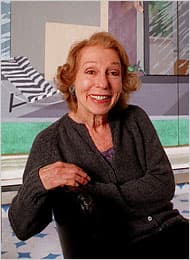
American · Arts · Activism
Betty Freeman
June 2, 1921 – January 4, 2009
Early Life and Background
Betty Freeman was born on June 2, 1921, in Chicago, Illinois. Raised in a family that valued education and the arts, her early exposure to music and culture laid the foundation for her lifelong love of avant-garde music. She pursued a solid academic background, studying at Wellesley College, where she was deeply influenced by the cultural vibrancy of the campus and its strong emphasis on the humanities.
Career Beginnings and Development
Initially, Freeman took an interest in photography and became part of the burgeoning visual arts scene. However, her broader passion for art quickly expanded to include music. In the 1960s, she started hosting salons in her Beverly Hills home, creating a vibrant space where musicians, composers, and artists could collaborate and innovate. These gatherings became legendary for fostering artistic expression and birthed many important compositions.
Major Works, Discoveries, or Accomplishments
Betty Freeman's most significant contribution to the arts was her unwavering support of contemporary music. She financed more than 400 works by modern composers, providing both stipends and a platform for performance. Her patronage included prominent figures such as John Cage, Philip Glass, and Steve Reich. Her involvement extended beyond financial support; she was a personal motivator for many artists, encouraging them to pursue innovative and sometimes controversial compositions.
Awards, Honors, and Recognition
Throughout her life, Freeman was recognized for her significant contributions to the arts. In 2000, she received the National Medal of Arts from the U.S. government, honoring her as a dedicated advocate for contemporary music. Her efforts are also documented in numerous musicological studies and documentaries reflecting her pivotal role in musical history.
Personal Life
Betty Freeman's personal life was as rich as her professional endeavors. She was married to Stanley Freeman, with whom she had four children. Her marriage contributed to her financial ability to support the arts, as she managed to balance her role as a philanthropist with her familial responsibilities.
Legacy and Historical Impact
Freeman's legacy is indelibly linked to her impact on 20th-century music. She is often credited with providing the resources necessary to keep avant-garde and experimental music thriving, particularly at a time when traditional funding sources were scarce. Her commitment to fostering creative freedom has been widely lauded as a crucial element in the development of modern American music culture.
Later Life and Death
Betty Freeman continued her philanthropy well into her later years, even as she battled illness. She passed away on January 4, 2009, in Beverly Hills, California. Her contributions to the arts remain celebrated, exemplified by numerous dedications and retrospectives.
Dated achievements
2 indexed.
- Jun021921Arts
Birth of Betty Freeman
Betty Freeman was born on June 2, 1921, in Chicago, Illinois.
View details Encyclopedia.com - Freeman, Betty (nee Wishnick) - Jan042009