← All women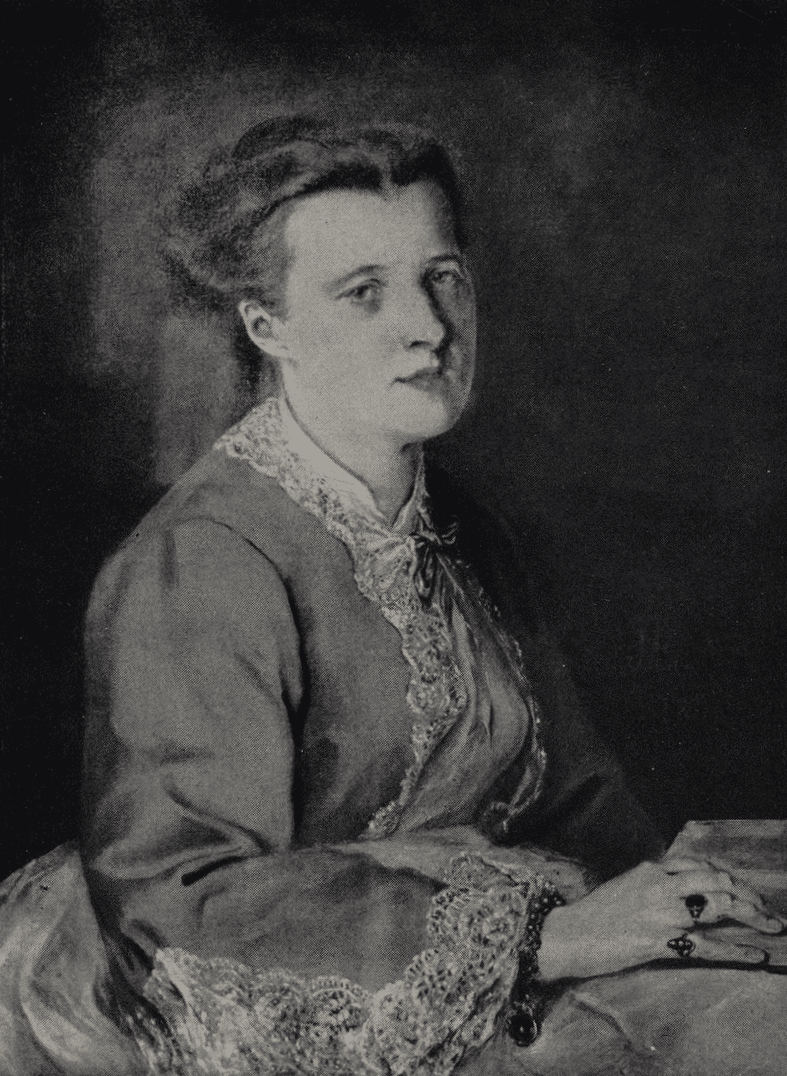
British · Activism · Literature
Bessie Rayner Parkes
June 16, 1829 – March 23, 1925
Early Life and Background
Bessie Rayner Parkes was born on June 16, 1829, in Birmingham, England, into a family deeply engaged in social and political issues. Her father, Joseph Parkes, was a solicitor and political reformer, which profoundly influenced Bessie's early exposure to reformist ideas. Her education was progressive for a woman of her time, attending senior tutors in the radical circle of notable intellectuals.
Career Beginnings and Development
Parkes began writing poetry in her adolescence, but her exposure to America's liberal thinkers during a trip in her twenties spurred her to engage deeply with social reform, particularly concerning women’s rights. Her early works focused on the education and employment of women, arguing passionately for improved educational facilities and broader career opportunities.
Major Works and Accomplishments
One of her standout achievements was co-founding the English Woman's Journal in 1858, a groundbreaking periodical dedicated to discussing women's employment and education. This journal became a hub for exchange among feminists and reformers, fostering a growing awareness and support for gender equality in Victorian Britain. Her pamphlet, Remarks on the Education of Girls (1854), was pivotal in challenging educational norms.
Awards, Honors, and Recognition
While Parkes did not receive formal awards, her work earned significant recognition among contemporaries and has posthumously been acknowledged within feminist historical scholarship as laying foundational ideas for future women’s rights activism.
Personal Life
Bessie married the French lawyer Louis Belloc in 1867 and became Madame Belloc. Despite the demands of her personal life, she continued writing under her married name. They had two children, Hilary Belloc and Marie Belloc Lowndes, both of whom became accomplished writers.
Legacy and Historical Impact
Bessie Rayner Parkes' legacy is primarily anchored in her role in advancing women's rights during a crucial period of societal transformation. She was instrumental in sparking dialogue and fostering networks that later evolved into established movements for legal reform. Her writings and organizations laid groundwork that fed into campaigns addressing women's voting rights, property rights, and educational equity.
Later Life and Death
In later years, Parkes continued her advocacy, albeit less publicly, as she focused more on her family and literary pursuits. She died on March 23, 1925, leaving behind a torch of feminist literature and inspiration that lit the way for subsequent generations of women activists.
Dated achievements
3 indexed.
- Jun161829Activism
Birth of Bessie Rayner Parkes
Bessie Rayner Parkes was born in Birmingham, England, into a Unitarian family of reformers and dissenters.
View details Bessie Rayner Parkes - Wikipedia - Mar011858Literature
Founded and edited The English Woman's Journal
Parkes founded and edited The English Woman's Journal, a pioneering feminist periodical addressing women's employment, education, and legal rights.