← All women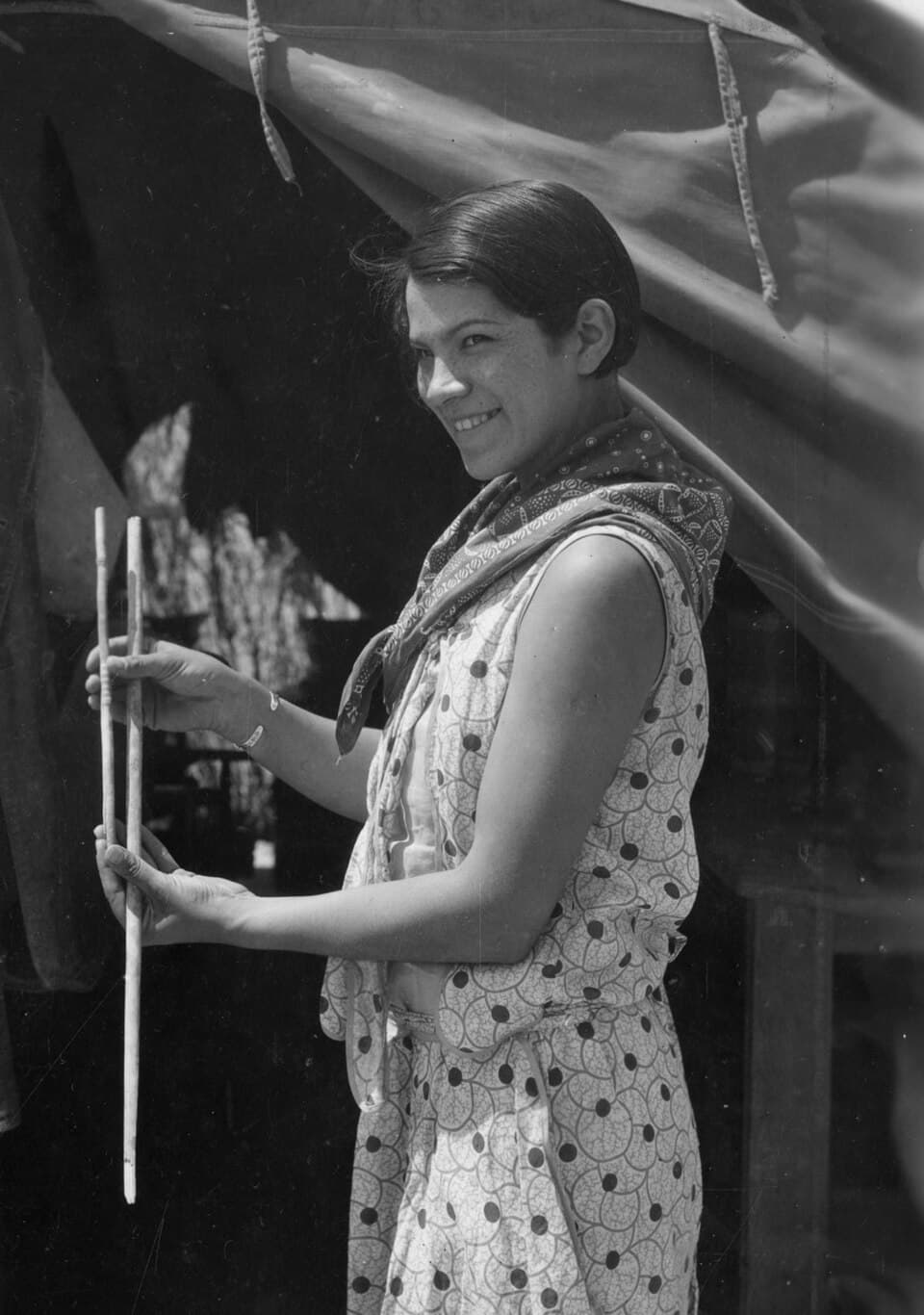
American · Science · Exploration
Bertha Parker Cody
August 30, 1907 – October 8, 1978
Early Life and Background
Bertha Parker Cody, born on August 30, 1907, in Chautauqua County, New York, was the daughter of Arthur C. Parker and Beulah Tahamont, a family deeply rooted in Native American ancestry. Her father was a notable archaeologist and historian, which significantly influenced her upbringing and sparked her interest in the field. Moving to California early in her life, she interacted closely with anthropological and archaeological communities, despite not having any formal higher education.
Career Beginnings and Development
Parker's professional journey began when she worked as a secretary at the Southwest Museum in Los Angeles, eventually participating in field expeditions alongside her uncle, Mark Raymond Harrington. Despite starting without formal training, she quickly became an integral player in various archaeological digs across the American Southwest.
Major Works and Discoveries
Bertha Parker Cody is best known for her discovery of the "Scorpion Hill" burials and the Gypsum Cave finds in Nevada, including the significant unearthing of a giant sloth skull in 1930. These contributions were seminal in challenging and expanding the understanding of prehistoric North American cultures. She meticulously documented ethnological and archaeological data through her career, producing valuable insights and publications that have continued to inform the field.
Awards, Honors, and Recognition
Though formal accolades during her lifetime were limited due to the gender and racial barriers of the time, Parker Cody's work has been posthumously recognized and celebrated in scholarly circles and beyond. Her pioneering efforts paved the way for future Native American and female archaeologists.
Personal Life
Bertha married once to Joseph Pallan, but the marriage ended in divorce. Subsequently, she married actor Iron Eyes Cody, with whom she had two children. Her personal life was marked by her roles as a mother and active community member, often bridging her professional work with her personal heritage.
Legacy and Historical Impact
Parker's legacy is profound in its challenge to the predominantly male field of archaeology in the early 20th century. She worked to bridge cultural gaps, offering a Native American perspective to archaeological narratives often ignored at the time. Her work continued to influence the incorporation of indigenous narratives into anthropological studies.
Later Life and Death
Bertha Parker Cody continued to contribute to archaeology and anthropology until her ill health forced her retirement. She passed away on October 8, 1978, in Los Angeles, California. Her contributions remain a cornerstone in these fields, inspiring historians, anthropologists, and archaeologists alike.
Dated achievements
1 indexed.
- Aug301907Science
Birth of Bertha Parker Cody
Birth of Bertha Parker Cody, a pioneering Native American archaeologist.
View details Bertha Parker Pallan - Wikipedia