← All women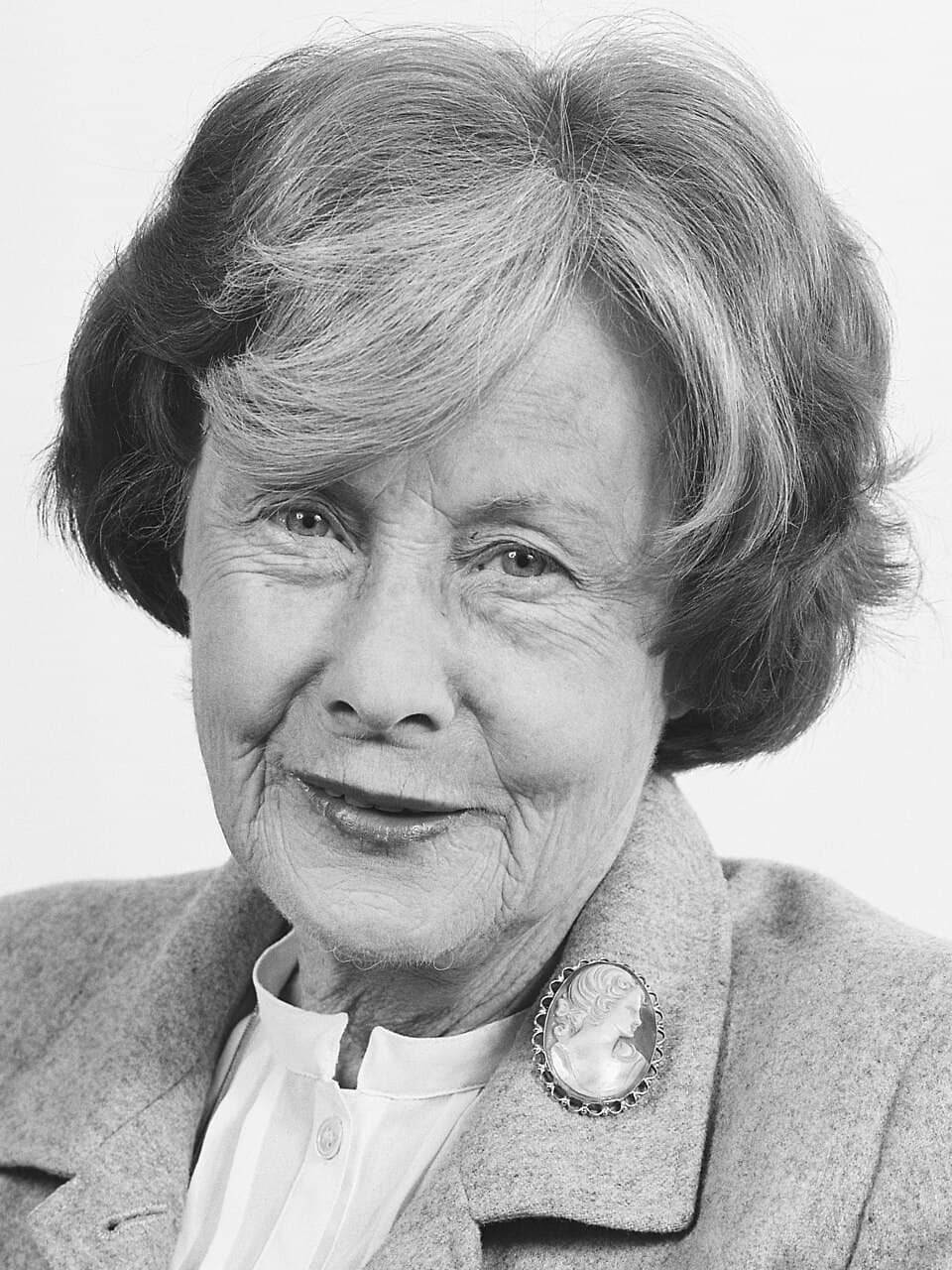
British · Politics · Activism
Barbara Castle
October 6, 1910 – May 3, 2002
Early Life and Background
Born on October 6, 1910, in Chesterfield, Derbyshire, Barbara Castle was raised in a politically active family that profoundly shaped her views. Her father was a tax inspector and socialist, and her mother was a suffragist, providing Castle with early exposure to the ideas of social justice and gender equality. She attended Bradford Girls' Grammar School before studying at Oxford University, where she honed her debate skills and deepened her commitment to Labour politics.
Career Beginnings and Development
Castle's political career began in earnest during the 1945 general election when she was elected as the Labour Member of Parliament for Blackburn, a seat she held until 1979. Her early career was marked by a rapid ascent through party ranks, thanks to her formidable oratory and tireless dedication to social causes.
Major Works and Accomplishments
As Minister of Transport from 1965 to 1968, Castle introduced a series of reforms that have had a lasting impact on British society. She was instrumental in implementing the breathalyzer laws to curb drink driving, and she worked tirelessly to modernize the transport sector. Arguably her most significant achievement came as First Secretary of State and Secretary of State for Employment and Productivity, where she championed the Equal Pay Act of 1970, a landmark law in the fight for gender equality.
Awards, Honors, and Recognition
Throughout her career, Castle was recognized for her contributions to politics and social reform with numerous accolades. These include being made a Baroness in 1990, which allowed her to continue contributing to the public sphere within the House of Lords.
Personal Life
Barbara Castle married journalist and fellow Labour supporter Ted Castle in 1944. Their marriage was characterized by mutual support and shared political ambitions. Although they had no children, their partnership was one of the cornerstones of her political and personal life.
Legacy and Historical Impact
Castle's legacy is defined by her relentless pursuit of social justice and equality. Her work on welfare state reforms, particularly regarding employee rights and gender equality, left an indelible mark on British society. Her pioneering efforts laid the groundwork for future advancements in women's rights and labor laws, cementing her place in history as one of the most influential women in British politics.
Later Life and Death
After retiring from the House of Commons, Castle continued to advocate for social issues in the House of Lords until her death. She passed away on May 3, 2002, leaving behind a rich legacy of political and social reform. Her life's work continues to inspire new generations of politicians and activists around the world.
Dated achievements
2 indexed.
- Oct061910Politics
Birth of Barbara Castle
Barbara Castle was born on October 6, 1910.
View details The Guardian Obituary: Barbara Castle - May032002