← All women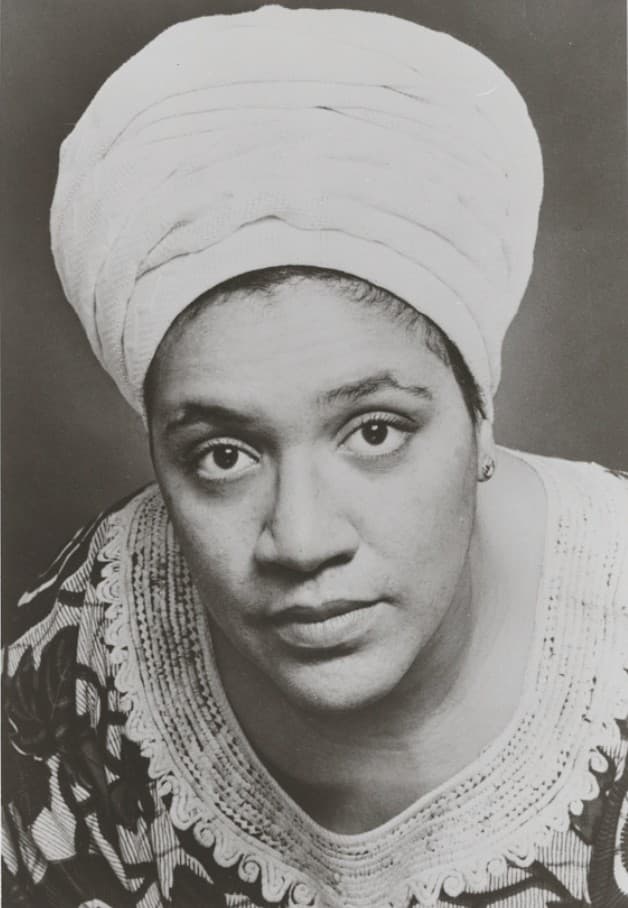
American · Literature · Activism
Audre Lorde
February 18, 1934 – November 17, 1992
Early Life and Background
Audre Lorde was born on February 18, 1934, in New York City to Caribbean immigrant parents. She was raised in Harlem and demonstrated a passion for poetry from a young age. Lorde learned to read at the age of four, delighting in the rhythm and sound of language. Her parents, Frederic Byron Lorde and Linda Gertrude Belmar Lorde, instilled a sense of cultural pride and resilience, which would later inform Lorde's writing and activism.
Education and Formative Influences
She attended Hunter College High School, where she published her first poem in Seventeen magazine at fifteen. Lorde went on to earn a bachelor's degree from Hunter College and a master's degree in Library Science from Columbia University. During this time, the Civil Rights Movement was gaining momentum, profoundly influencing her views on justice and equality.
Career Beginnings and Development
After graduating, Lorde worked as a librarian in Mount Vernon, New York, and continued to write prolifically. Her first collection, The First Cities, was published in 1968. Encouraged by the Harlem Writers Guild, her work often reflected themes of social justice, identity, and the intersectionality of the African American and LGBTQ+ communities.
Major Works and Accomplishments
Lorde's poetry collections include Cable to Rage (1970), a personal exploration of racial injustice and emotional expression, and From a Land Where Other People Live (1973), which was nominated for a National Book Award. Her seminal work, The Black Unicorn (1978), firmly established her as a force in the literary world, seamlessly weaving issues of race, gender, and sexuality.
Her prose work Sister Outsider (1984) is a groundbreaking collection of essays and speeches addressing feminism and identity politics. This legacy of confronting societal norms made her an influential figure in both the feminist movement and the fight for LGBTQ+ rights.
Awards, Honors, and Recognition
Lorde's contributions to literature and social activism earned her numerous awards and recognitions, including a fellowship from the National Endowment for the Arts and the American Book Award for Sister Outsider. She was posthumously inducted into the LGBTQ Hall of Fame for her pioneering efforts in advancing dialogues on intersectionality and social justice.
Personal Life
Lorde was openly lesbian and an unrelenting advocate for LGBTQ+ rights. She married Edward Ashley Rollins in 1962, with whom she had two children, Elizabeth and Jonathan, before their divorce. Later in life, she formed a lifelong partnership with Frances Clayton, with whom she relocated to St. Croix.
Legacy and Historical Impact
Lorde's legacy is that of a warrior poet who bravely tackled the colossal issues of her time with authentic reflection and powerful language. Her writings continue to inspire activists and writers worldwide, emphasizing the importance of a voice for marginalized communities and the strength inherent in unity and empathy.
Later Life and Death
Despite battling breast cancer, Lorde continued to write and advocate until her passing. She died on November 17, 1992, in St. Croix, but left behind a transformative blueprint for activism and artistic expression that critiques structural oppression and celebrates diversity.
Dated achievements
1 indexed.
- Feb181934Literature
Birth of Audre Lorde
Audre Lorde was born on February 18, 1934, in New York City.
View details Wikipedia