← All women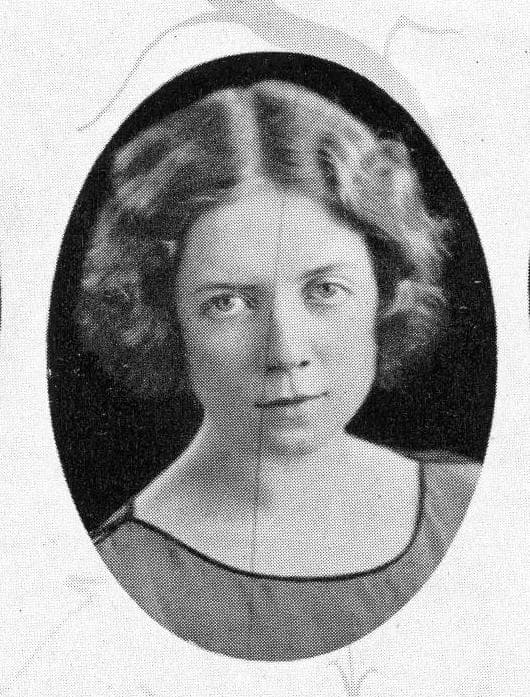
American · Arts · Literature
Anne Hummert
December 24, 1905 – July 5, 1996
Early Life and Education
Anne Hummert, born Anne Ashenhurst on December 24, 1905, in Aberdeen, South Dakota, rose from modest Midwestern origins to become one of the most powerful, and paradoxically least publicly known, figures in the golden age of American radio. Details of her childhood remain sparse, as she cultivated a lifelong reputation for personal privacy even as her professional creations reached tens of millions of listeners. She pursued education and training in journalism, entering a field still largely closed to women professionally in the 1920s, and she quickly distinguished herself through sharp writing and editorial instincts.
Before her radio career began, Anne worked as a journalist and later moved into advertising, an industry then rapidly expanding alongside the growth of commercial broadcasting. It was through this convergence of journalism, advertising, and the emerging medium of radio that she found her true calling.
Entry into Advertising and Radio
In the late 1920s, Anne Ashenhurst joined the advertising agency Blackett-Sample-Hummert (originally Blackett-Sample, later incorporating Frank Hummert's name), where she worked alongside Frank Hummert, an established advertising executive nearly two decades her senior. Frank had already begun experimenting with serialized dramatic programming as a vehicle for selling household products directly to female listeners during the daytime hours — a previously neglected advertising demographic. Anne brought to this partnership a journalist's discipline, a keen sense of narrative pacing, and an intuitive understanding of what would keep housewives listening day after day.
The pairing proved extraordinarily productive both professionally and personally. Anne and Frank Hummert married in 1935, and together they built what became known as the "radio factory" — a highly organized, almost assembly-line system for producing dozens of scripts per week across numerous simultaneous programs. Anne is widely credited as the creative engine of the operation: she conceived plots, character arches, and dialogue formulas, then directed a stable of ghostwriters who filled in scripts according to her detailed outlines, a method that allowed the Hummerts to produce an astonishing volume of content.
Creating the Radio Soap Opera
The Hummerts are widely regarded as the inventors, or at minimum the principal industrializers, of the American radio soap opera — serialized daytime dramas sponsored by soap and household-product manufacturers such as Procter & Gamble and Colgate-Palmolive, hence the enduring nickname. Their programs followed a formula: episodic, cliffhanger-driven storytelling centered on domestic and romantic dilemmas, delivered in short daily installments that built habitual listenership among homemakers.
Among the most successful and enduring programs bearing Anne Hummert's creative imprint were:
- Just Plain Bill (debuted 1932), one of the earliest daytime serials, centered on a small-town barber.
- Backstage Wife (1935), following the travails of a small-town girl married to a Broadway star.
- Ma Perkins (1933), one of the longest-running and most beloved soap operas, starring Virginia Payne.
- Our Gal Sunday (1937), famous for its opening tagline asking whether a girl from a mining town "could find happiness" as the wife of a wealthy English lord.
- Stella Dallas, Young Widder Brown, John's Other Wife, and dozens of others.
At the height of their operation in the 1930s and 1940s, the Hummerts reportedly had more than a dozen serials running simultaneously on networks such as NBC and CBS, reaching an estimated audience of tens of millions of American women. Anne oversaw not just the writing but the casting, sound design, and overall creative direction, while Frank managed business and sponsor relationships. Their combined operation became known in the industry, somewhat pejoratively but also admiringly, as a "radio factory," given its scale and standardized production methods, employing a rotating team of writers who worked from Anne's detailed story outlines and character bibles.
Business Acumen and Industry Influence
Anne Hummert's influence extended well beyond individual scripts. She helped establish and refine many of the storytelling conventions that would define the soap opera genre for the rest of the twentieth century: continuous, open-ended narratives without definitive endings; a focus on domestic and romantic conflict; direct emotional appeals to a female audience; and tight integration between programming content and advertiser messaging. These innovations were later inherited wholesale by television soap operas beginning in the 1950s, many of which were direct descendants or adaptations of Hummert radio properties.
She was known in the industry for her formidable business sense, retaining significant financial control and ownership stakes in the programs she created — an unusual position of power for a woman in the entertainment industry of her era. Reports from colleagues and later historians, including recollections captured in oral history projects such as The Wall Breakers podcast interviews with performers like Jan Miner, described Anne as demanding, precise, and deeply protective of her creative vision, often rewriting or vetoing scripts that did not meet her exacting standards.
Personal Life
Anne married Frank Hummert in 1935; it was a second marriage for Frank, and the couple became inseparable both personally and professionally for the rest of their lives. They were known for their intensely private lifestyle despite their public-facing commercial success, rarely giving interviews and shunning publicity even as their programs became household names across America. The couple had a son, Frank Hummert Jr. They lived for many years in New York and later relocated, continuing to manage their radio enterprises even as the medium began to decline with the rise of television in the 1950s.
Later Career and Decline of Radio Drama
As television supplanted radio as the dominant home entertainment medium through the 1950s, the Hummerts' radio empire gradually wound down, though the narrative template they perfected migrated almost intact into daytime television soap operas. Anne continued to be involved in entertainment consulting and intellectual property licensing related to her radio properties in the years following Frank's death in 1966, though she increasingly withdrew from active production work.
Death and Legacy
Anne Hummert died on July 5, 1996, in New York City at the age of 90. Her passing was noted in obituaries such as the one published by the Chicago Tribune, which credited her as a principal creator of the radio soap opera format and highlighted the extraordinary scale of her career's output — by some estimates, the Hummerts' operation produced tens of thousands of scripts over their decades of activity.
Anne Hummert's legacy endures wherever serialized domestic drama is produced. Modern television soap operas, telenovelas, and even certain forms of episodic streaming drama trace their structural DNA to the storytelling and production conventions she helped pioneer in the 1930s and 1940s. Her career also stands as an important, if underrecognized, chapter in women's history in American media: a woman who, working largely outside the public eye, exercised outsized creative and commercial control over one of the twentieth century's most culturally influential entertainment genres, at a time when few women held comparable positions of authority in broadcasting or advertising. Scholarly and popular accounts, including the book Frank and Anne Hummert's Radio Factory, have sought to restore recognition of her central creative role, which was for decades overshadowed by her husband's more public business persona.
Dated achievements
2 indexed.
- Dec241905Arts
Born in Aberdeen, South Dakota
Anne Hummert (née Ashenhurst) was born on December 24, 1905, in Aberdeen, South Dakota.
View details Anne Hummert - Wikipedia - Jul051996Arts
Died in New York City
Anne Hummert died on July 5, 1996, in New York City at age 90, ending a career that shaped American radio drama for generations.