← All women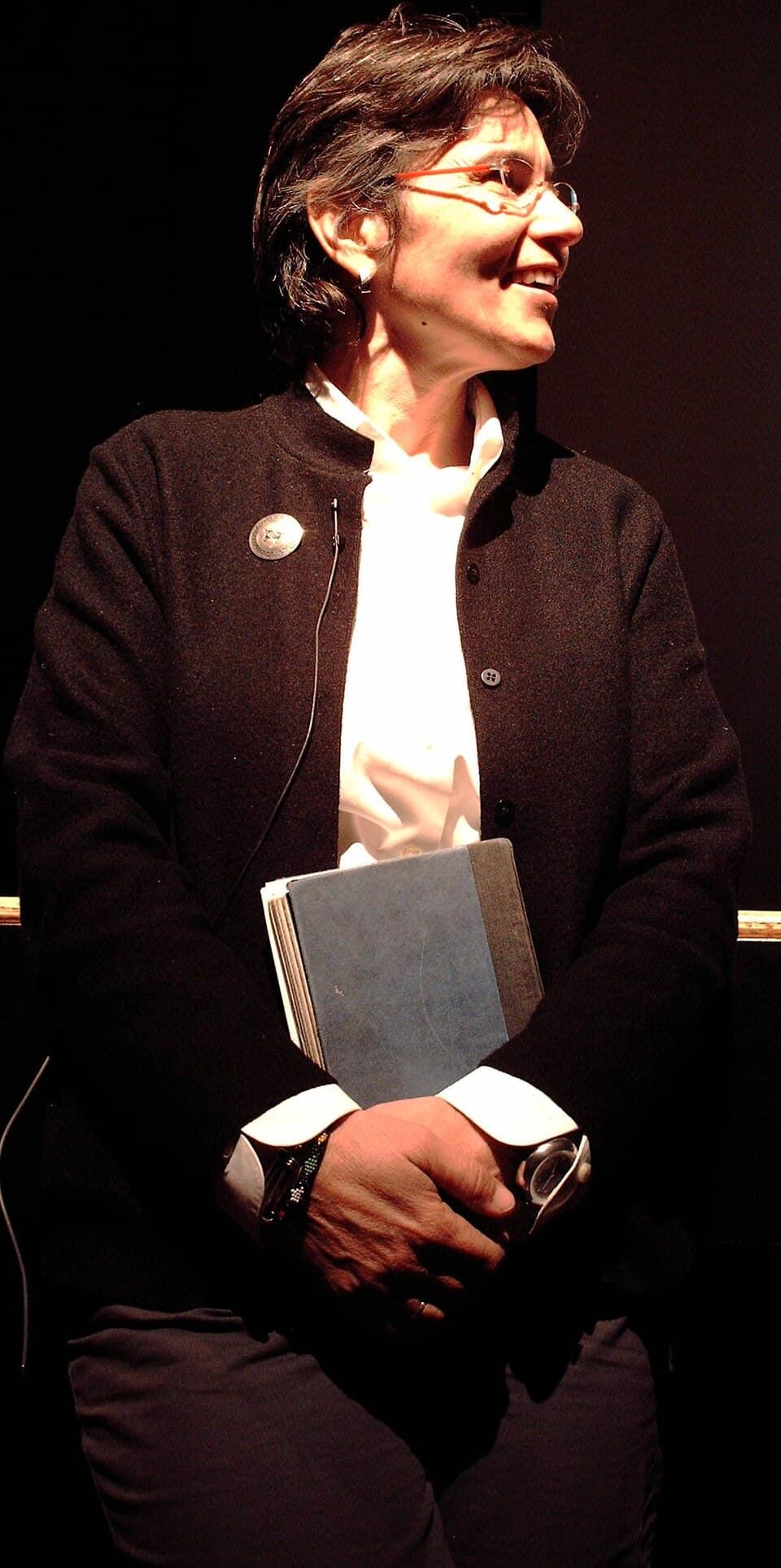
American · Exploration · Sports · Activism
Ann Bancroft
September 29, 1955 – present
Early Life and Background
Ann Bancroft was born on September 29, 1955, in Mendota Heights, Minnesota, a suburb of St. Paul. She was raised in a family that embraced outdoor recreation, and from an early age she was drawn to camping, canoeing, skiing, and other wilderness activities that would later define her career. Bancroft struggled academically due to dyslexia, a learning disability that was not well understood or accommodated at the time. Rather than becoming discouraged, she found confidence and identity through physical activity and outdoor challenges, developing the tenacity and resourcefulness that would serve her throughout her exploration career.
She attended local schools in Minnesota before enrolling at the University of Oregon, where she earned a degree in physical education. During her college years, she continued to pursue outdoor education and athletic pursuits, eventually becoming a physical education teacher and wilderness camp counselor. Her work as an educator, particularly with young people, honed her leadership skills and deepened her commitment to encouraging others—especially young women—to embrace physical challenge and self-reliance.
Career Beginnings and the Path to Polar Exploration
Before she became famous as a polar explorer, Bancroft worked as a teacher and physical education instructor in Minnesota, drawing on her lifelong passion for the outdoors to inspire students. Her transition into serious expeditionary work began through her connections with the Minnesota outdoor community, which had strong ties to endurance sports and Arctic travel because of the state's cold climate and wilderness areas.
Bancroft's first major expedition opportunity came when she was invited to join the Will Steger International Polar Expedition, an ambitious attempt to reach the North Pole by dogsled without resupply—replicating, as closely as possible, the conditions faced by early 20th-century polar explorers. She was the only woman selected for the eight-member team, chosen for her strength, wilderness skills, and steady temperament under pressure.
Major Accomplishments
First Woman to Reach the North Pole (1986)
In 1986, Bancroft and her team departed from Ellesmere Island in the Canadian Arctic, embarking on a treacherous 56-day journey across the shifting sea ice toward the North Pole. The expedition traveled over 1,000 miles by dogsled and on foot, facing extreme cold, thin ice, polar bear encounters, and the constant risk of falling into open water. On May 1, 1986, the team reached the North Pole, and Ann Bancroft became the first woman in history to reach the North Pole on foot and by sledge. This achievement brought her international recognition and marked a turning point in the history of polar exploration, which had long been considered an almost exclusively male pursuit.
Leading the American Women's Expedition to Antarctica (1992–1993)
Building on her North Pole success, Bancroft set her sights on Antarctica. In 1992, she organized and led the American Women's Expedition, assembling a team of four women to attempt a South Pole crossing entirely independent of male support—a first in the history of polar exploration. The team skied and hauled sleds weighing well over 200 pounds each across nearly 660 miles of Antarctic terrain, battling whiteout conditions, extreme cold, and crevasse fields.
After a grueling 67-day journey, the team reached the South Pole on January 14, 1993. With this achievement, Bancroft became the first woman to have reached both the North and South Poles, cementing her place as one of history's greatest polar explorers.
Antarctic Crossing with Liv Arnesen (2000–2001)
In 2000, Bancroft partnered with Norwegian explorer Liv Arnesen to attempt an even more ambitious goal: the first women's team to ski across Antarctica's landmass, coast to coast, using only wind power (via sails) and human strength. The pair traveled nearly 1,700 miles over 94 days, becoming the first women to ski across Antarctica and complete a continental crossing. Though they did not reach their original destination exactly as planned due to weather delays, the journey was hailed as a historic achievement in polar exploration and was documented extensively for educational outreach.
Arctic Ocean Expedition (2007)
Bancroft and Arnesen again teamed up in 2007 for an expedition across the Arctic Ocean, intended to draw attention to the effects of climate change on polar ice. Though the expedition was ultimately cut short due to deteriorating ice conditions—ironically underscoring the very climate concerns they sought to highlight—the journey generated significant media attention and reinforced Bancroft's role as an environmental advocate.
Awards, Honors, and Recognition
Ann Bancroft has received numerous accolades throughout her career, including:
- Induction into the National Women's Hall of Fame
- Numerous honorary degrees from universities recognizing her contributions to exploration and education
- Recognition from National Geographic and other major organizations for her expeditions
- The Explorers Club Medal, one of the highest honors in the exploration community
- Being named one of the "100 Most Important Women in America" by Ladies' Home Journal
She has also been a sought-after public speaker, sharing her experiences with corporations, schools, and organizations to inspire leadership, perseverance, and belief in human potential, particularly among young women and girls.
The Ann Bancroft Foundation
In 1998, Bancroft co-founded the Ann Bancroft Foundation, a nonprofit organization dedicated to supporting girls in pursuing their dreams and developing leadership skills, particularly those facing economic or social barriers. The foundation has provided grants, mentorship, and resources to thousands of girls, extending Bancroft's legacy beyond her personal expeditions into broader social impact work.
Personal Life
Ann Bancroft has been open about her learning disability (dyslexia) and has spoken publicly about how she overcame educational and societal obstacles to achieve success in a physically and mentally demanding field. She has also spoken about her identity as an LGBTQ+ woman, becoming a visible role model for LGBTQ+ representation in sports and exploration. Bancroft has continued to live in Minnesota, maintaining close ties to the outdoor and educational communities that shaped her early life.
Legacy and Historical Impact
Ann Bancroft's expeditions fundamentally changed perceptions of what women could achieve in extreme exploration. Before her North Pole expedition, polar exploration was viewed as almost exclusively the domain of men, with women largely excluded from major expeditions due to prevailing assumptions about physical capability and endurance. Bancroft's achievements—first to the North Pole, first woman to reach both poles, and first women's team to cross Antarctica—shattered these assumptions and paved the way for future generations of female explorers, athletes, and adventurers.
Beyond her exploration career, Bancroft's advocacy work through the Ann Bancroft Foundation and her environmental awareness campaigns have extended her influence into education and climate activism. She remains a celebrated figure in the history of exploration and a powerful example of resilience, leadership, and the breaking of gender barriers in extreme physical and professional pursuits.
Later Life
As of the most recent available information, Ann Bancroft continues to be active in public speaking, mentorship, and advocacy work related to exploration, education, and climate change. She remains a celebrated and living icon of polar exploration and women's achievement.
Dated achievements
3 indexed.
- Sep291955Exploration
Born in Mendota Heights, Minnesota
Ann Bancroft was born on September 29, 1955, in Mendota Heights, Minnesota, later becoming a pioneering polar explorer.
View details Wikipedia - Ann Bancroft - May011986Exploration
First Woman to Reach the North Pole by Sledge and on Foot
Ann Bancroft became the first woman to reach the North Pole, arriving on May 1, 1986, as part of the Will Steger International Polar Expedition.