← All women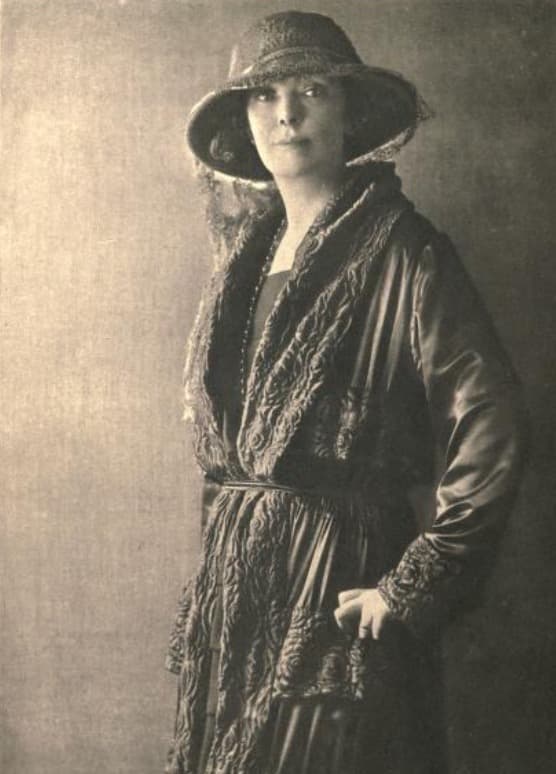
British · Activism · Literature
Angela Forbes
June 11, 1876 – October 22, 1950
Early Life and Background
Lady Angela Selina Bianca Forbes, born on June 11, 1876, was a British socialite and writer, intricately tied to the fabric of Edwardian society. She was the daughter of the 7th Earl of Rosslyn, a family deeply entrenched in British aristocracy. Angela's early life was marked by the privilege and expectations of the upper-class milieu of late 19th century Britain, providing her with a keen insight into the socio-political dynamics of the era.
Career Beginnings and Development
Angela Forbes initially gained societal prominence through her marriage to James Stewart Forbes. Navigating through the upper echelons of Edwardian society, she developed a passion for writing, eventually channeling her experiences into a literary career. Her literary work, however, was often overshadowed by her subsequent humanitarian efforts during World War I.
Major Works and Accomplishments
Details of Lady Angela Forbes's early literary works remain overshadowed by her later contributions to social welfare during WWI. However, her works documenting Edwardian society provided a critical perspective on the era. Beyond her writings, her most distinguished contribution came through the establishment of canteen services for soldiers in France during the First World War, earning her widespread respect and recognition.
Philanthropy and Recognition
During World War I, Forbes showed remarkable initiative by providing canteen services to British troops stationed in France. Her tireless efforts in supplying food, drinks, and a touch of home comfort to the soldiers became a cornerstone of her legacy. This selfless action not only bolstered troop morale but also established her as a pivotal figure in wartime philanthropy, highlighting the essential role of women in support roles during conflict.
Personal Life
Lady Angela’s personal life, marked by her aristocratic lineage and marriage to James Stewart Forbes, provided her the means to use her societal standing for charitable purposes. Her experiences and social connections enriched her understanding and contributed to her effectiveness as a philanthropist and writer.
Legacy and Historical Impact
Lady Angela Forbes's contributions to British social history extend beyond her lifetime. Her memoirs serve as an invaluable documentation of upper-class life in Edwardian Britain, while her wartime efforts underpin the essential role women played in the support of military operations. Angela's legacy is remembered as a blend of aristocratic charm and unyielding dedication to cause, illustrating the transformative power of privilege when directed towards humanitarian ends.
Later Life and Death
After World War I, Forbes continued to influence through her memoirs and public engagements. She passed away on October 22, 1950, but left behind a legacy of social commitment and literary contributions that continued to inspire future generations. Her efforts in wartime support not only bolstered British morale but also showcased the crucial support roles women served during major global conflicts.
Dated achievements
1 indexed.
- Jun111876Activism
Birth of Lady Angela Forbes
Lady Angela Forbes was born on June 11, 1876, to an aristocratic British family.
View details Clan Forbes: Lady Angela Forbes