← All women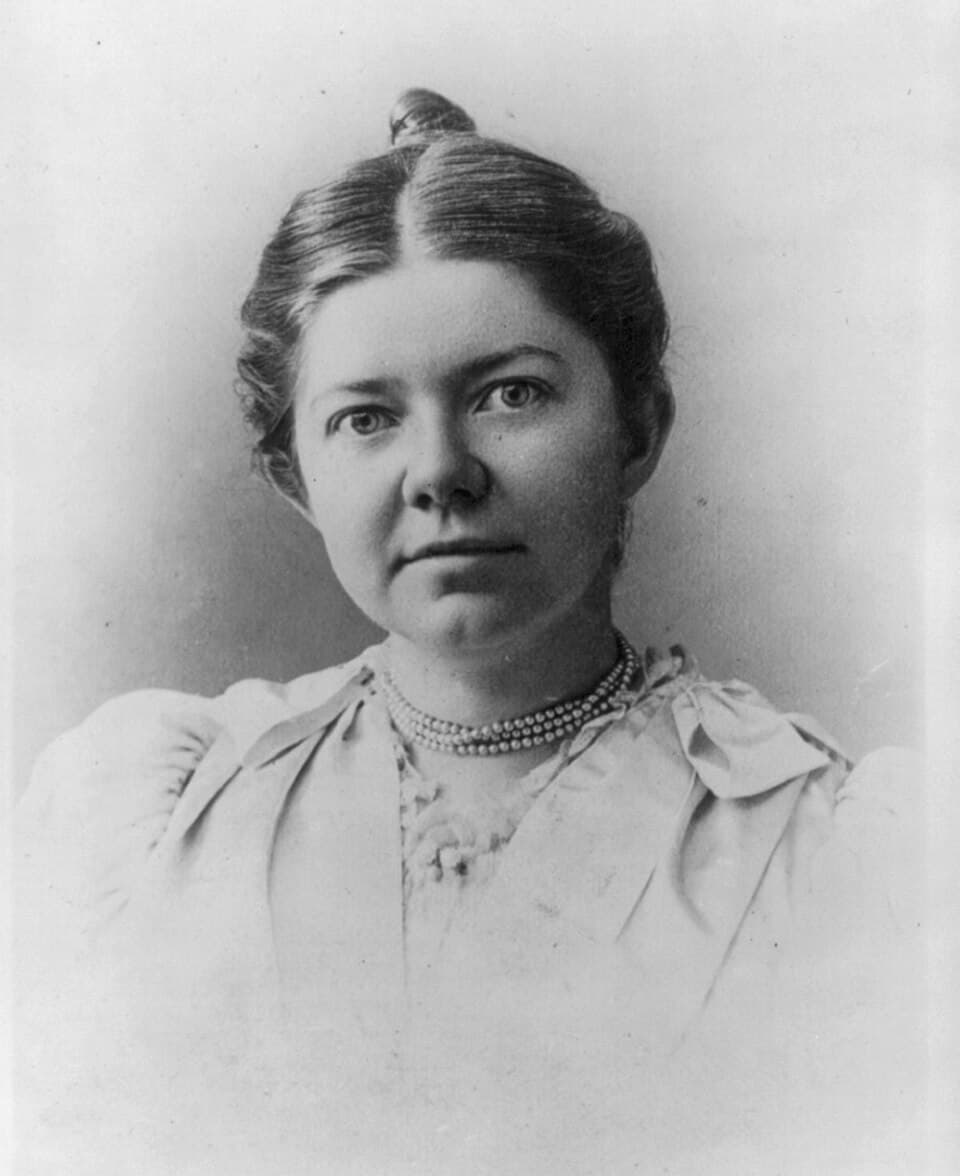
American · Arts
Amy Beach
September 5, 1867 – December 27, 1944
Early Life and Background
Amy Marcy Cheney, later known as Amy Beach, was born on September 5, 1867, in Henniker, New Hampshire, to Clara Imogene Marcy and Charles Abbott Cheney. From a young age, Beach displayed prodigious musical talent, reportedly singing forty tunes accurately by age one and improvising harmonies at age two. Her family moved to Boston in 1875, where her mother played a significant role in her initial music education. Amy's talent was recognized early, and despite the limited opportunities available to women in the late 19th century, she pursued a career in music with the support of her family.
Career Beginnings and Development
Beach's public debut came in 1883, the same year she performed a Chopin concerto with the Boston Symphony Orchestra, marking one of the earliest performances by a woman with a professional orchestra. Her marriage to Dr. Henry Harris Aubrey Beach in 1885 put constraints on her public performances, aligning with societal expectations of women's roles at the time. However, her husband's encouragement led to her focusing on composing, which marked the beginning of a prolific career as a composer.
Major Works, Discoveries, and Accomplishments
Amy Beach composed many significant works throughout her career, contributing to various musical forms and genres. Among her most renowned pieces is the "Gaelic Symphony" (1896), recognized as the first symphony composed by an American woman, and the "Piano Concerto in C-sharp minor," which demonstrated her prowess in large-scale orchestral composition. Beach's compositions often incorporated elements of American folk music, blending them with European Romantic traditions, which was innovative at the time.
Awards, Honors, and Recognition Received
Throughout her life and career, Beach received considerable recognition for her work, although awards and formal honors were limited in her era for female composers. Her pioneering efforts in composition and performance earned her a lasting legacy as a trailblazer for women in music, influencing future generations of female musicians and composers.
Personal Life
Amy's marriage to Dr. Henry Beach was significant in shaping her career. It facilitated her deeper focus on composition, consistent with social conventions restricting married women's public performances at the time. Despite societal norms, she managed to maintain an impactful career as a composer, integrating her personal and professional lives harmoniously.
Legacy and Historical Impact
Beach's work remains an essential part of the American classical music canon. She paved the way for subsequent generations of female composers, demonstrating that women could achieve success and recognition in a field dominated by men. Her legacy lives on through continuous performances and recordings of her compositions, inspiring musicians worldwide.
Later Life and Death
After her husband's death in 1910, Beach embarked on a three-year trip to Europe, where she continued to compose and perform. Returning to the United States, she became involved in promoting other women in music. Amy Beach passed away on December 27, 1944, in New York City, leaving a lasting impact on American music.
Dated achievements
4 indexed.
- Sep051867Arts
Birth of Amy Marcy Cheney in Henniker, New Hampshire
Amy Marcy Cheney was born in Henniker, New Hampshire, a musical prodigy who would become one of America's leading composers.
View details Amy Beach - Wikipedia - Dec051885Arts
Marriage to Dr. Henry Harris Aubrey Beach
Amy Cheney married Dr. Henry Harris Aubrey Beach on December 5, 1885, after which she adopted the name 'Mrs. H.H.A. Beach' for her published compositions.